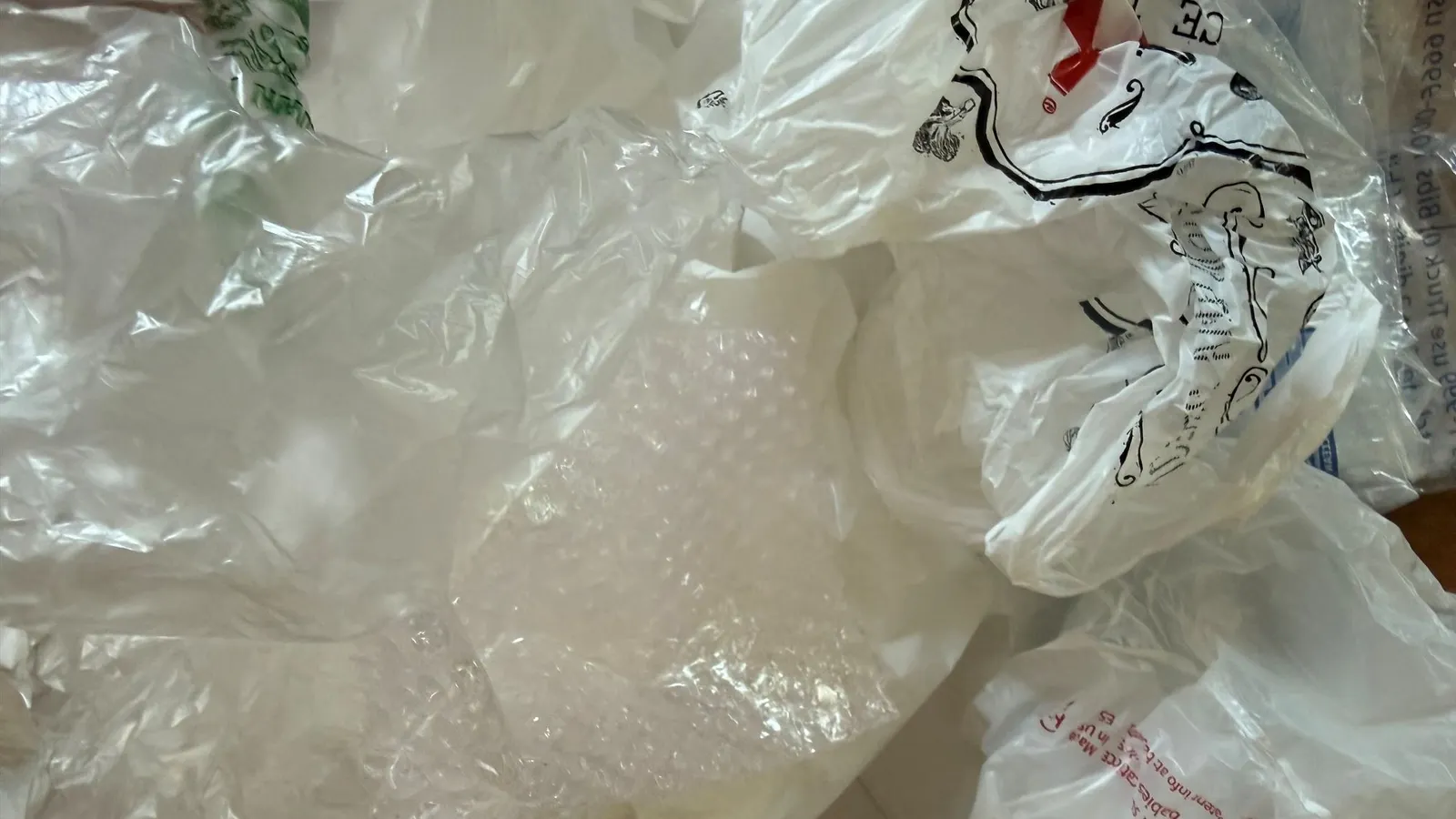
Flexible packaging pilots led by the Flexible Film Recycling Alliance in California are demonstrating the commercial viability of capturing post-industrial and backroom plastic film from retail and warehousing operations. Partnering with packaging distributors and logistics services, the initiative targets secondary and tertiary stretch wrap and flexible film that frequently ends up in general commercial waste streams, despite offering high material purity.
Commercial and industrial flexible film—primarily low-density polyethylene (LDPE)—represents one of the cleanest material streams available for mechanical recyclers. Unlike post-consumer household collections, backroom film from distribution centres and retail stockrooms is largely free from food contamination and mixed resins. Establishing cost-effective logistics for mid-tier commercial sites, which often lack the volume required for direct mill-sized baling contracts, bridges a key gap in closing the loop on flexible polyolefins.
For waste aggregators and logistics providers, a practical takeaway is the implementation of consolidated hub-and-spoke collection models. Aggregating clean LDPE stretch wrap across multiple small-to-medium business accounts before processing reduces transport overheads and maintains resin purity, delivering higher returns than mixed commercial waste streams.
For UK waste management companies and Turkish recyclers, the emphasis on dedicated commercial film recovery offers valuable lessons for supply chain design and compliance. As the UK tightens Extended Producer Responsibility rules and carbon reporting requirements, waste collectors must isolate clean commercial stretch film to help packaging converters meet recycled content quotas. For Turkish reprocessors dependent on high-quality imported scrap, the wider adoption of standardized source-segregated collection models globally helps stabilize the supply of clean LDPE feedstock, minimizing contamination risks and supporting low-carbon compliance across international supply chains.