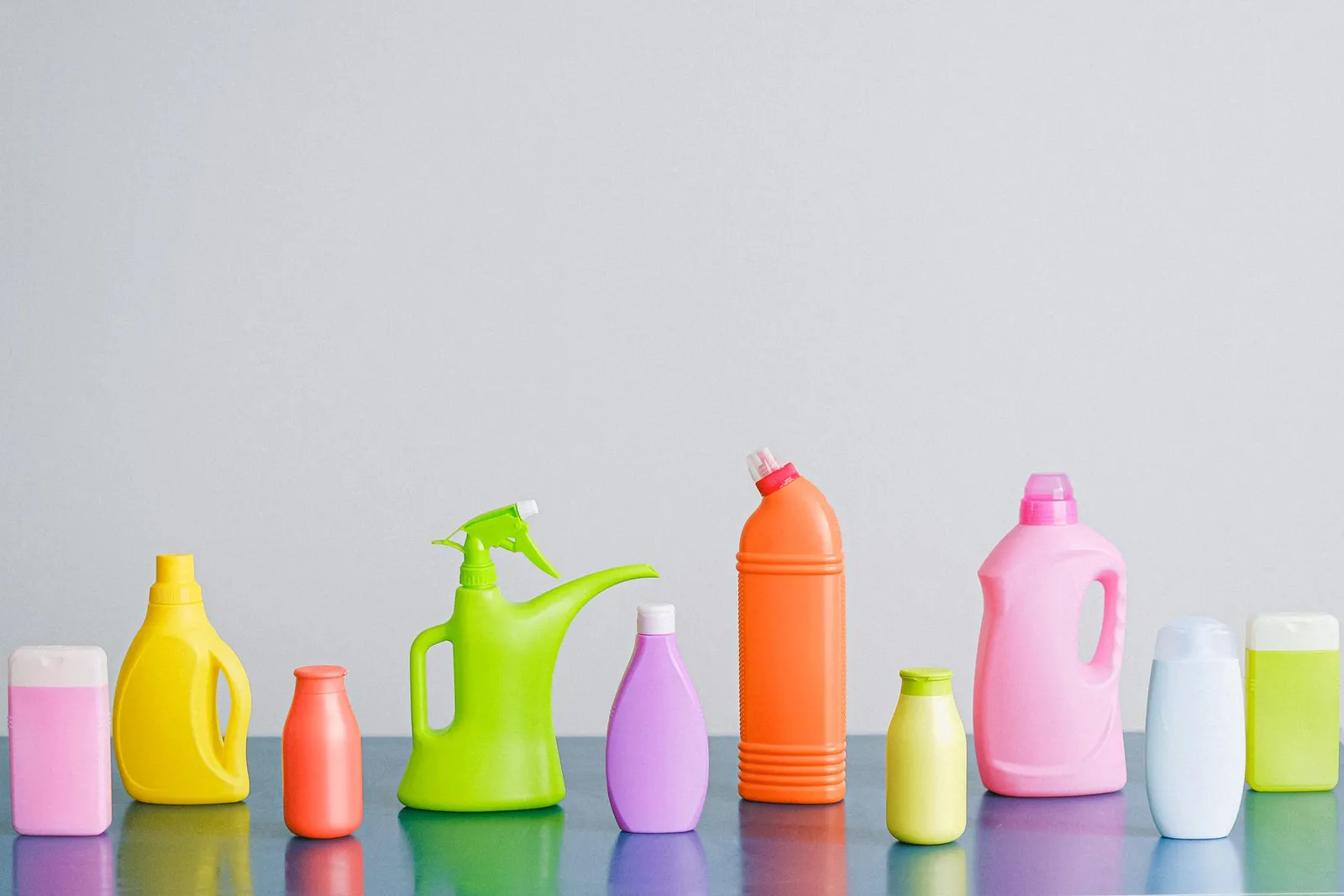
HDPE Bottle Bales
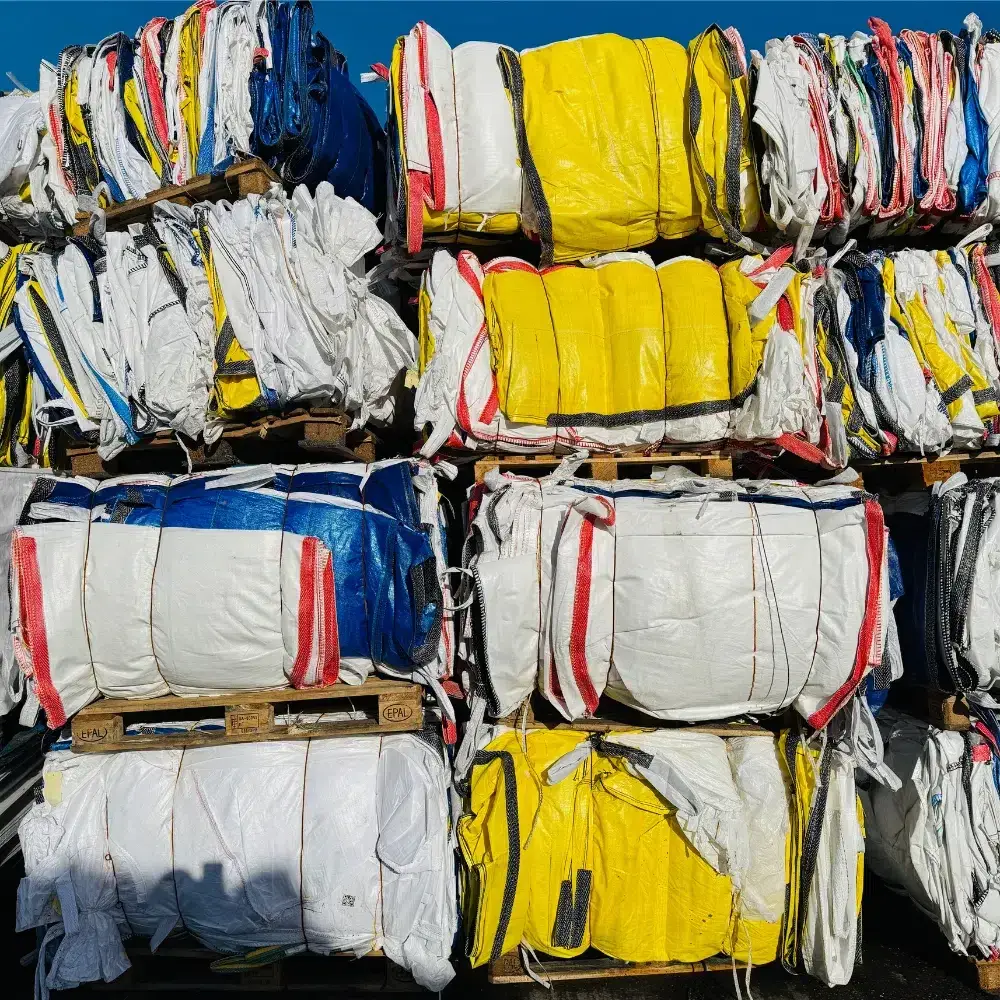
We buy baled HDPE bottles across the UK: natural milk bottle bales — the flagship UK grade — and mixed-colour bottle bales, plus drum and crate regrind.
The UK dairy stream produces the best natural HDPE bales in the world: a single-product, single-colour bottle collected at national scale. That is why natural milk bottle bales command a premium in every market, including Türkiye, where they become rHDPE for pipe, bottles and sacks. We buy natural and mixed-colour bales from MRFs, waste companies and dairies, with caps-on tolerance stated in the acceptance spec rather than argued after delivery. Every export moves as B3011 with a full Annex VII trail to a licence- and quota-verified consignee.
Technical specification
| Polymer | HDPE blow-moulding grade | |
|---|---|---|
| Grading | Natural vs mixed colour | |
| Caps & closures | Tolerance stated per grade | |
| Bale weight | 300–500 | kg |
| Moisture | Drained; ≤ 2 | % |
| Load size | ≈ 10–12 t per 40' (baled) |
Compliance & documentation
- Waste / product classification
- Green-list waste under B3011: sorted single-polymer bottles for recycling, shipped on Annex VII. Regrind may ship as product where end-of-waste criteria are met — stated per contract.
- Certification chain
- EA registered waste carrier/broker/dealer (upper tier); consignee licence and quota verified before contract.
- Documentation supplied
- Annex VII form signed by all parties, retained 3 years
- Contract with the licensed Turkish consignee
- Waste transfer note at UK collection
- Photographic loading report per container
- Türkiye import notes
- Sorted bottle bales are accepted; mixed plastics are banned. We schedule shipments against the consignee's remaining quota.
Grades & variants
| Natural (Milk Bottle) Bales | Mixed Colour Bales | |
|---|---|---|
| Natural bottles | ≥ 95 % | — |
| Caps/closures | On, tolerated | On, tolerated |
| Other HDPE colour | ≤ 5 % | — |
| Contamination | ≤ 2 % | ≤ 3 % |
| Bale weight | 300–500 kg | 300–500 kg |
| HDPE bottles | — | ≥ 95 % |
| Colour mix | — | Unrestricted |
Natural (Milk Bottle) Bales
Flagship UK grade · Baled
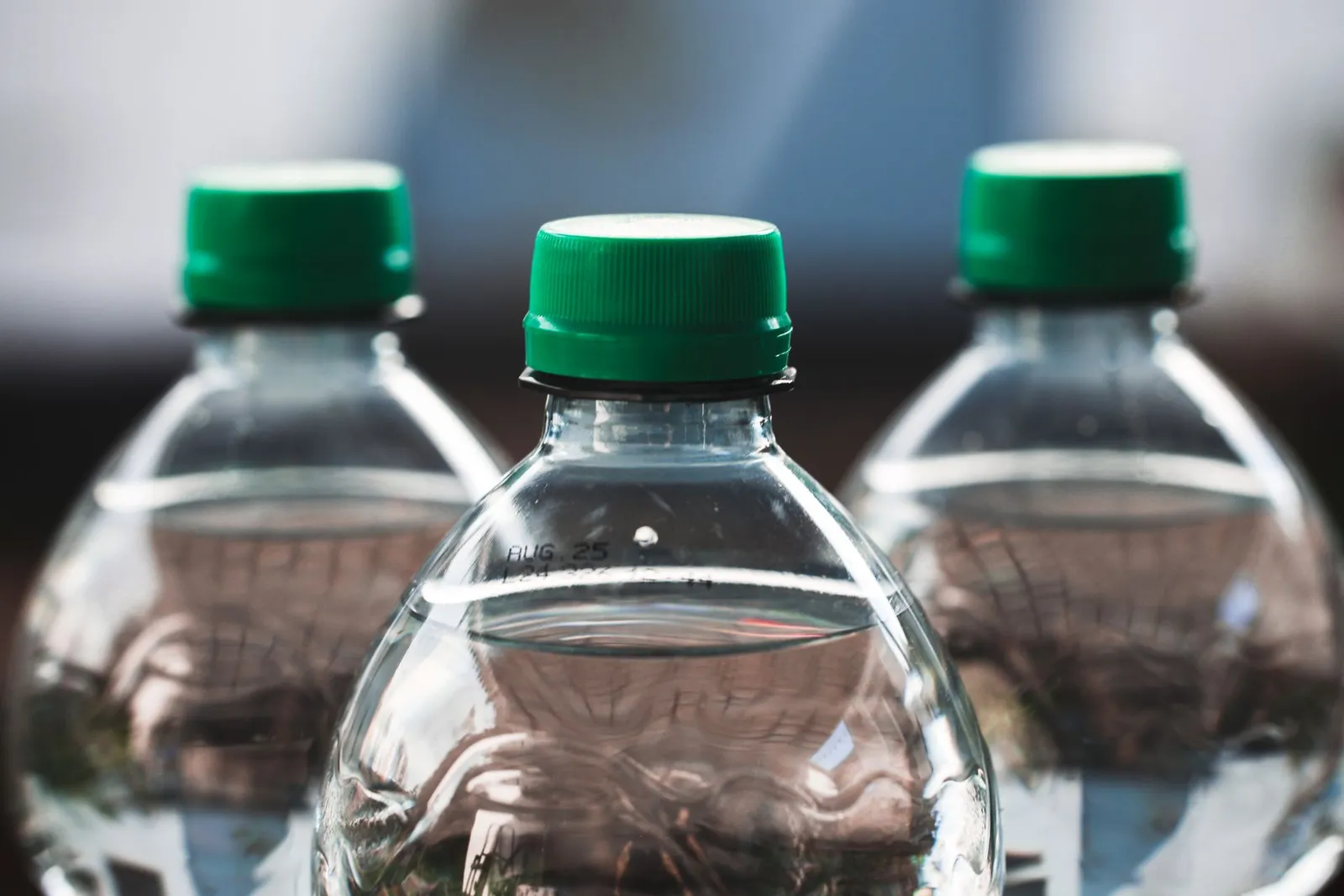
Unpigmented dairy bottles — the world benchmark for natural HDPE. Caps-on, drained, dry-stored.
Packaging & load
| Storage | Dry, off the ground | |
|---|---|---|
| Load | ≈ 10–12 t per 40' |
Not accepted
- Oil, chemical or agrochemical bottles
- PVC bottles
- Food residue beyond drained milk film
- Wet or mouldy bales
Mixed Colour Bales
Detergent / household · Baled
Coloured HDPE bottles from household streams: detergent, shampoo, cleaning. Feeds dark rHDPE applications.
Packaging & load
| Storage | Dry, off the ground | |
|---|---|---|
| Load | ≈ 10–12 t per 40' |
Not accepted
- Hazard-labelled chemical containers
- PVC and PET bottles
- Engine oil bottles unless agreed
- Wet bales
Applications & end markets
End markets that set the price:
- rHDPE pellet for pipe and conduit
- Blow-moulded bottles (non-food and, with approved processes, dairy again)
- Heavy-duty sacks and crates
- Drums and industrial containers
Quality & inspection
- 01
Photo grading with an opened-bale shot; offer references the supported grade.
- 02
First-collection verification bale by bale.
- 03
Documented downgrade process — photographs before price talk.
- 04
Export loading photographed; report to supplier and consignee.
- 05
Arrival weighbridge reconciliation closes each file.