Delegates at the UN Biodiversity Conference (COP17) in Yerevan, Armenia, have completed the first global review assessing international efforts to halt and reverse nature loss by 2030. The stocktake evaluated national progress against the Kunming-Montreal Global Biodiversity Framework, focusing on conservation metrics, resource mobilisation, and mechanisms for monitoring corporate impact on natural ecosystems.
Although negotiations highlighted uneven progress among signatory states, the summit reinforced a clear trend in international governance: biodiversity protection is becoming directly tied to industrial regulatory frameworks. Issues such as resource extraction, ecosystem degradation, and plastic pollution were identified as primary drivers of habitat destruction requiring stricter national policy responses.
Why it matters
Global biodiversity targets increasingly shape local environmental legislation, ESG benchmarks, and corporate reporting mandates across Europe and the UK. As governments translate international commitments into domestic law, industrial sectors face growing pressure to reduce the environmental impact of their supply chains. Packaging, resource recovery, and waste management are central to these discussions, given the direct ecological consequences of virgin material extraction and plastic waste pollution.
What it means for recyclers and packaging converters
For UK waste managers, packaging converters, and Turkish reprocessors, the outcomes of COP17 reflect a broader shift from carbon-centric disclosures toward holistic environmental reporting. Mandatory frameworks are increasingly incorporating nature-related metrics alongside Scope 1–3 emissions, influenced by initiatives such as the Taskforce on Nature-related Financial Disclosures (TNFD).
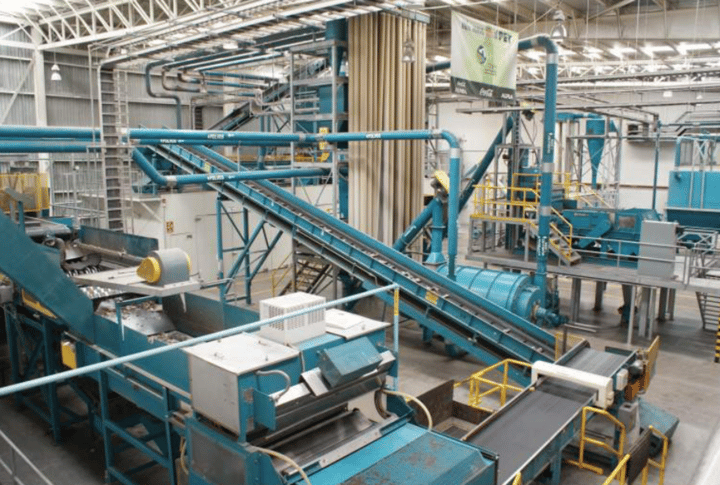
Recyclers stand to benefit commercially from this transition, as the use of high-quality secondary polymers directly reduces the land-use, resource extraction, and energy burdens associated with virgin resin synthesis. However, processing operations and export supply chains will face stricter compliance scrutiny regarding waste leakage, microplastic mitigation, and environmental auditing. UK businesses trading with Turkish recyclers will increasingly need to prove that their end-of-life plastic handling actively prevents biodiversity loss.
Practical takeaway
Companies should begin mapping their supply chain impacts on biodiversity alongside existing carbon reporting. Documenting how recycled polymer integration offsets natural resource depletion will provide a distinct compliance and marketing advantage as UK and EU sustainability reporting standards expand.