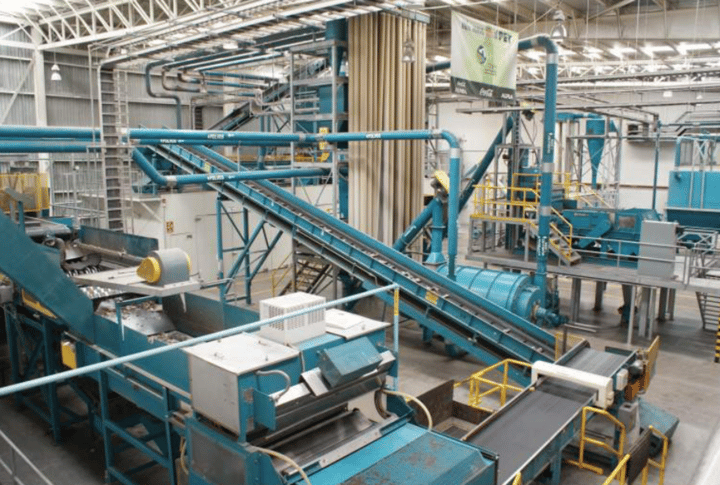
Operational leaders at North American waste management provider Waste Connections outlined advanced fire mitigation strategies during the recent MRF Operations Forum. Presenter Dan Kurtz highlighted the implementation of layered fire protection frameworks across Material Recovery Facilities (MRFs), combining early-stage thermal detection, localized auto-suppression systems, and refined floor-management protocols to reduce catastrophic fire risks.
Why it matters
Thermal incidents at MRFs have escalated globally, largely driven by the proliferation of lithium-ion batteries in municipal waste streams. Beyond the immediate threat to life and asset destruction, facility fires create severe secondary operational damage. Frequent fire incidents have led insurers to drastically raise premiums or withdraw coverage altogether from MRF operations. Furthermore, facility downtime disrupts secondary material output, destabilising supply chains for sorted plastic scrap and processed flake.
Impact on UK–Türkiye recyclers and traders
For UK waste management companies, managing fire risk is both an insurance necessity and a legal compliance requirement under Environment Agency Fire Prevention Plan (FPP) guidance. Inadequate suppression systems or inadequate material spacing can lead to permit suspensions and total operational paralysis.
For Turkish recyclers relying on imported UK waste secondary plastics, fires at primary sorting sites in Britain threaten raw material continuity. Facility shutdowns reduce export volumes of sorted PET, HDPE, and film bales, exacerbating price volatility for reprocessors in Türkiye who require consistent feedstocks to run extrusion lines efficiently. Furthermore, Turkish reprocessors facing strict local environmental and safety auditing must maintain parallel fire-suppression protocols to satisfy domestic regulators and international off-takers.
Practical takeaway
Operators should move beyond basic sprinkler systems by adopting a multi-layered defence strategy. Combining continuous thermal-imaging cameras at high-risk tipping floors with targeted automated water cannons allows facility teams to neutralise hot spots before open combustion occurs.