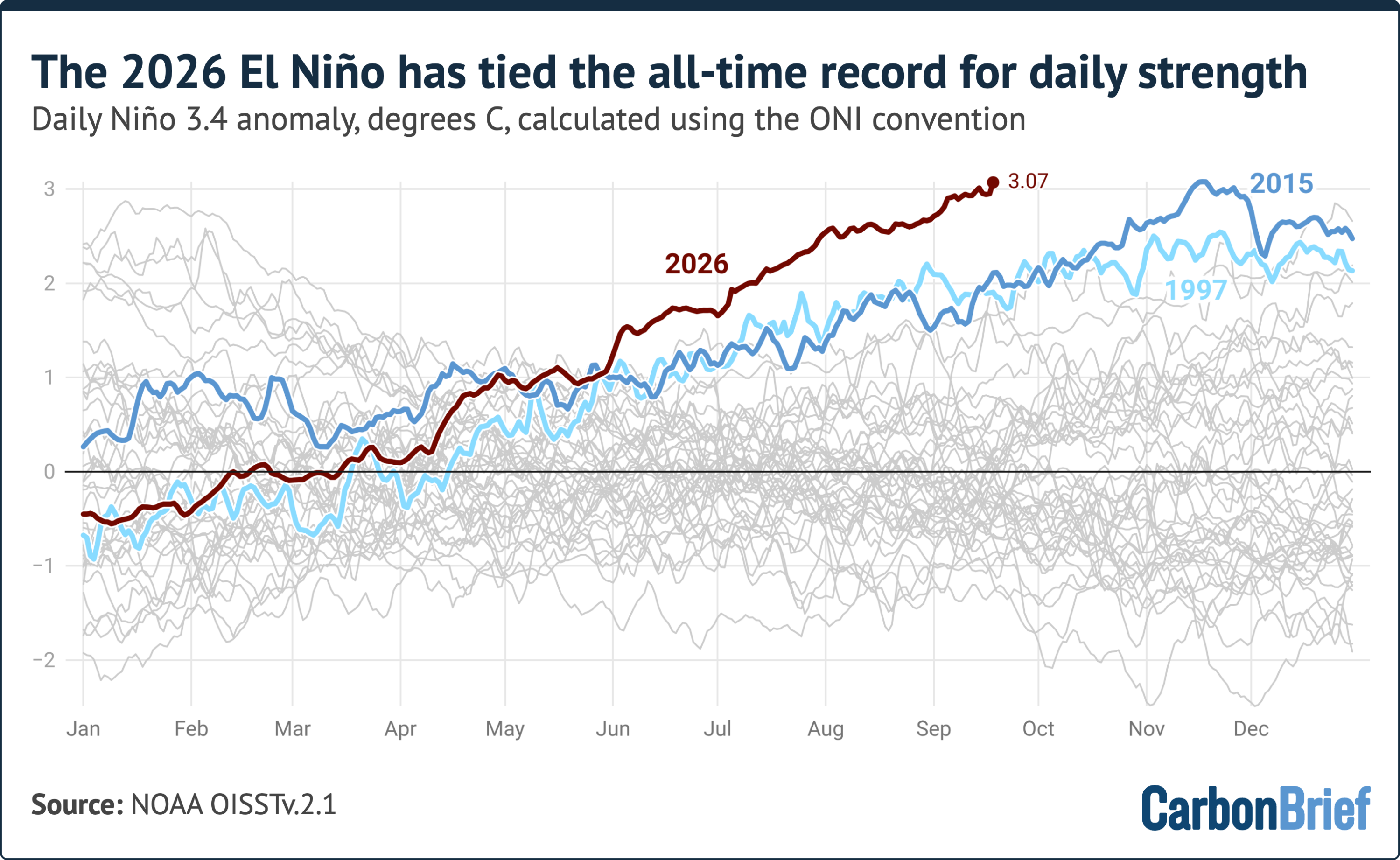
Recent meteorological data indicates that the current "super El Niño" has reached historic, record-breaking sea surface temperatures in the tropical Pacific. This climate phenomenon is driving extreme weather patterns globally, contributing to unprecedented global temperatures and altering precipitation cycles.
For global supply chains, these escalating climate signals translate directly to operational and regulatory risks. Extreme weather events increasingly disrupt international shipping routes and port operations, whilst also accelerating the regulatory push for businesses to account for and reduce their environmental impact.
For UK waste exporters and Turkish polymer recyclers, this climate volatility has direct commercial implications. Severe weather threatens maritime logistics between the UK and the Mediterranean, potentially delaying Annex VII waste shipments and inflating freight insurance costs. Furthermore, as both the UK and Türkiye align more closely with European green policies, demonstrating a low-carbon footprint is becoming a commercial necessity. Turkish recyclers utilising energy-intensive extrusion processes must increasingly monitor their energy mix to satisfy UK packaging converters who are under pressure to minimise their Scope 3 emissions.
As a practical takeaway, UK and Turkish operators should conduct climate risk assessments on their primary logistics routes and accelerate transition plans toward low-carbon energy sources. Establishing robust carbon reporting mechanisms now will safeguard trading partnerships as supply chain emissions auditing becomes more stringent.