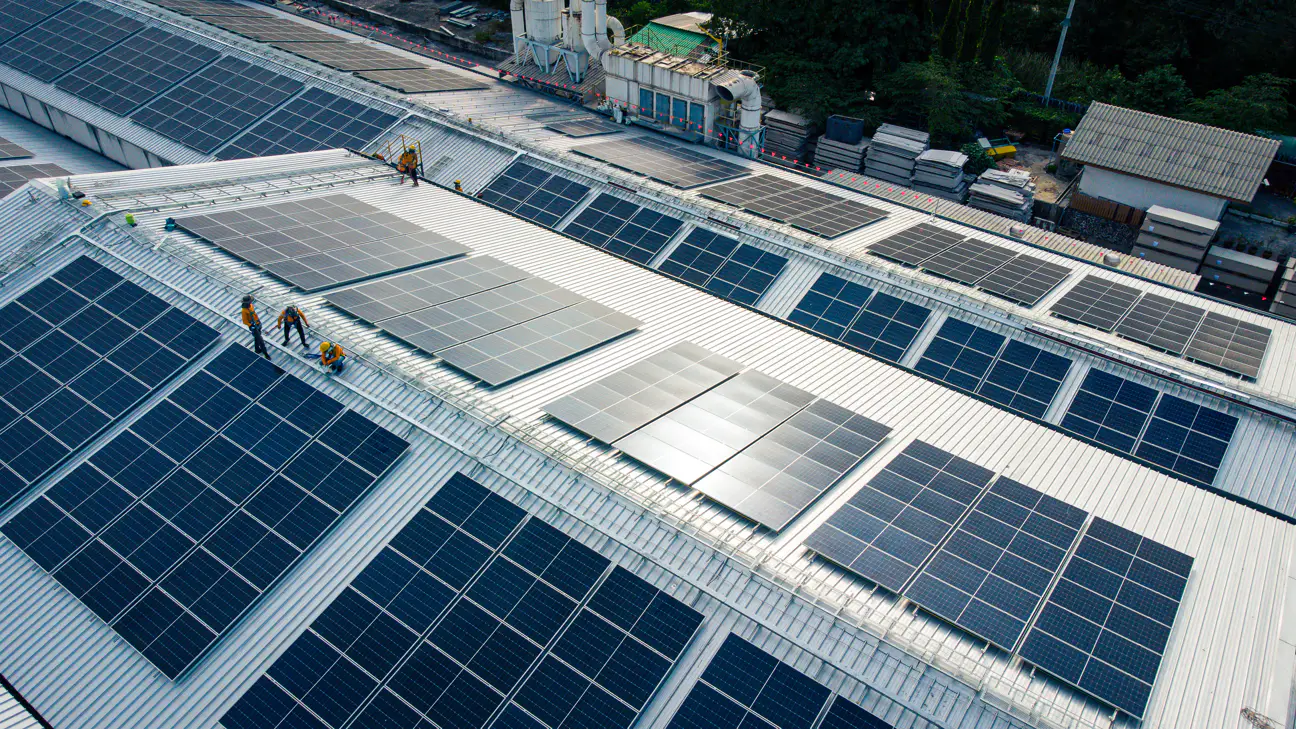
The COP31 Presidency has introduced a global "35-by-35" electrification pledge, aiming to increase the share of final energy demand met by electricity to 35% by 2035. Alongside this target, a new initiative has been launched to harness artificial intelligence (AI) to support international climate action. These developments signal a coordinated push towards decarbonising industrial processes and accelerating digital efficiency tools.
For plastic recyclers and packaging converters in the UK and Türkiye, this global shift towards electrification carries significant operational implications. Recycling processes—particularly washing, shredding, and extrusion—are highly energy-intensive. As governments align national policies with these international targets, the transition from fossil-fuelled heating and processing systems to fully electrified machinery will accelerate. This transition will directly impact capital expenditure and operational costs. Furthermore, as national grids decarbonise to support this electrification, the Scope 2 emissions associated with producing recycled polymers (such as rPET, rHDPE, and rPP) will fall, making recycled content even more attractive to brand owners aiming for net-zero targets.
The integration of AI into climate action also aligns with the rapid technological evolution in the waste management sector. AI-driven optical sorting and predictive maintenance are already improving yield rates and reducing energy waste in modern recycling facilities. Increased international support for climate-focused AI could lower barriers to adopting these advanced technologies, helping Turkish and UK processors optimise their production lines and improve material purity.
A practical takeaway for recyclers and converters is to conduct a comprehensive energy audit of existing processing lines. Operators should assess the feasibility of transitioning remaining gas-powered thermal processes to electric alternatives and evaluate how future grid electricity pricing structures might affect processing margins. Additionally, tracking the carbon intensity of local grids will become increasingly vital for accurate Scope 2 carbon reporting to multinational customers.