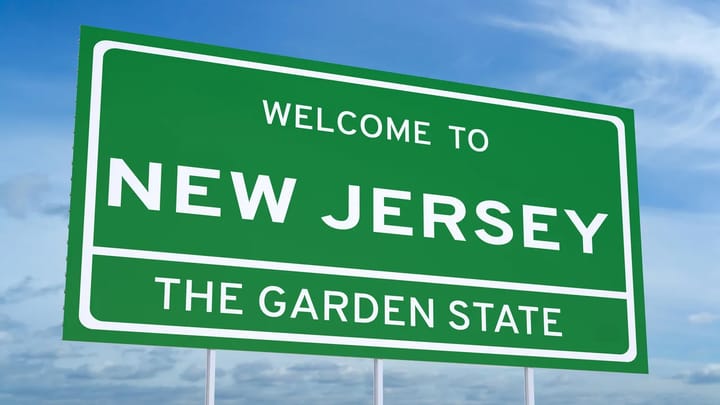
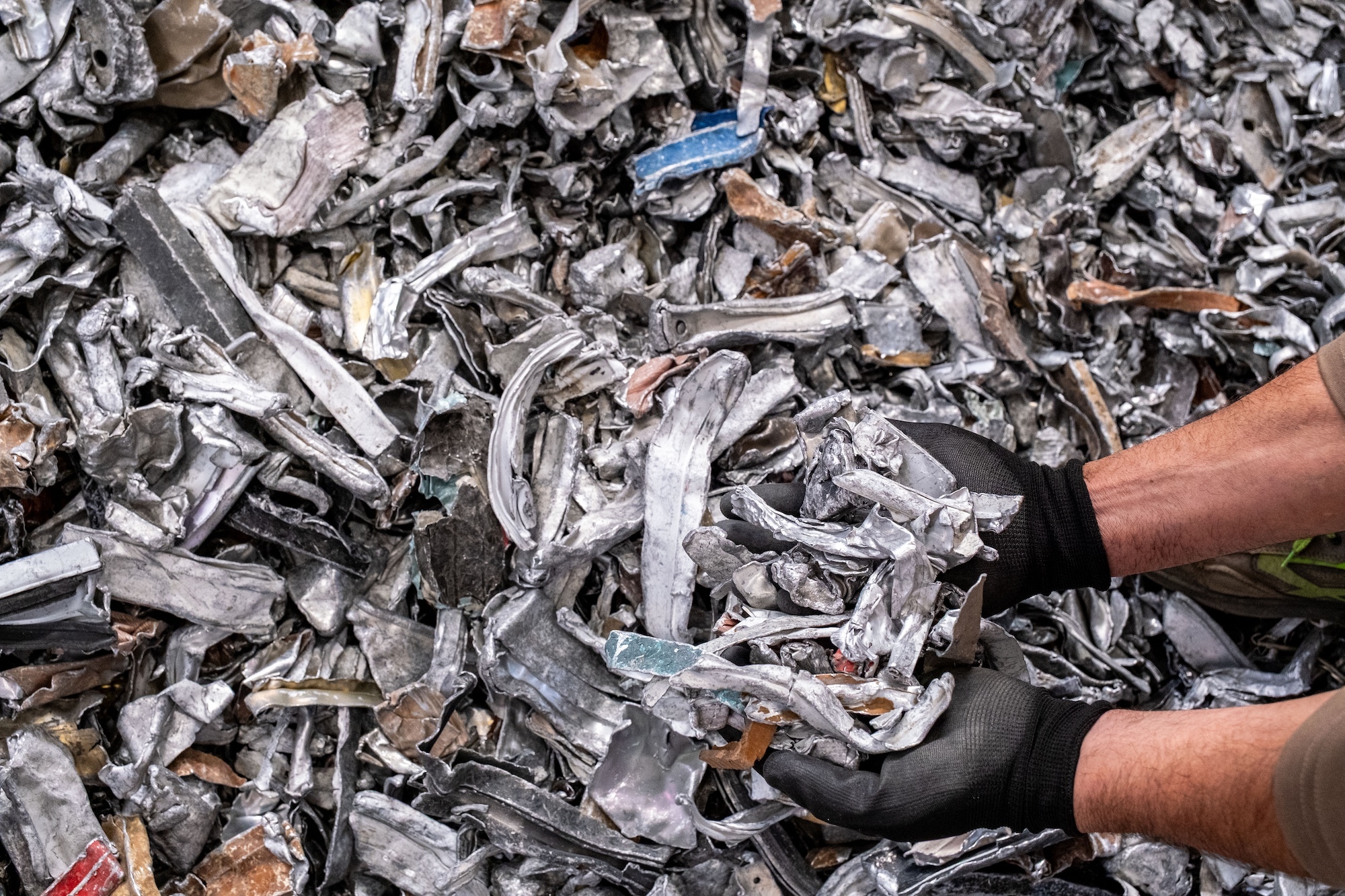
The state of New Jersey has extended its exemption for recycled content in food packaging by three years, citing ongoing concerns over the technical feasibility and safety of integrating post-consumer recycled (PCR) plastics into food-contact applications. The decision has drawn criticism from recycling advocacy groups, who argue that food-grade recycling technologies are already sufficiently mature and safe to meet the original targets.
While this regulatory pause is specific to the United States, it underscores a broader global tension. For packaging converters and recyclers, the transition to food-grade circular polymers remains fraught with technical and regulatory hurdles. While food-contact recycled PET (rPET) has achieved widespread commercial and regulatory acceptance, other polymers—most notably polypropylene (rPP) and high-density polyethylene (rHDPE)—face much stricter scrutiny regarding decontamination standards and feedstock traceability.
For UK waste management firms and Turkish recyclers exporting to the British and European markets, this development serves as a reminder of the stringent standards governing food-contact materials. European Food Safety Authority (EFSA) and UK Food Standards Agency (FSA) regulations remain highly demanding. Turkish recyclers aiming to supply high-value food-grade rPET or rPP to UK converters must maintain rigorous sorting and decontamination processes to secure the necessary approvals. Regulatory hesitation in other major markets like the US highlights that achieving consistent, food-safe PCR supply is still a significant industrial challenge, which may keep premiums for certified food-grade resins elevated.
The practical takeaway for operators is to de-risk their portfolios by investing in advanced sorting and decontamination technologies. Rather than relying on rapid regulatory mandates to force market adoption, recyclers and converters should focus on establishing robust, traceable supply chains that can prove safety compliance independently of shifting legislative timelines.