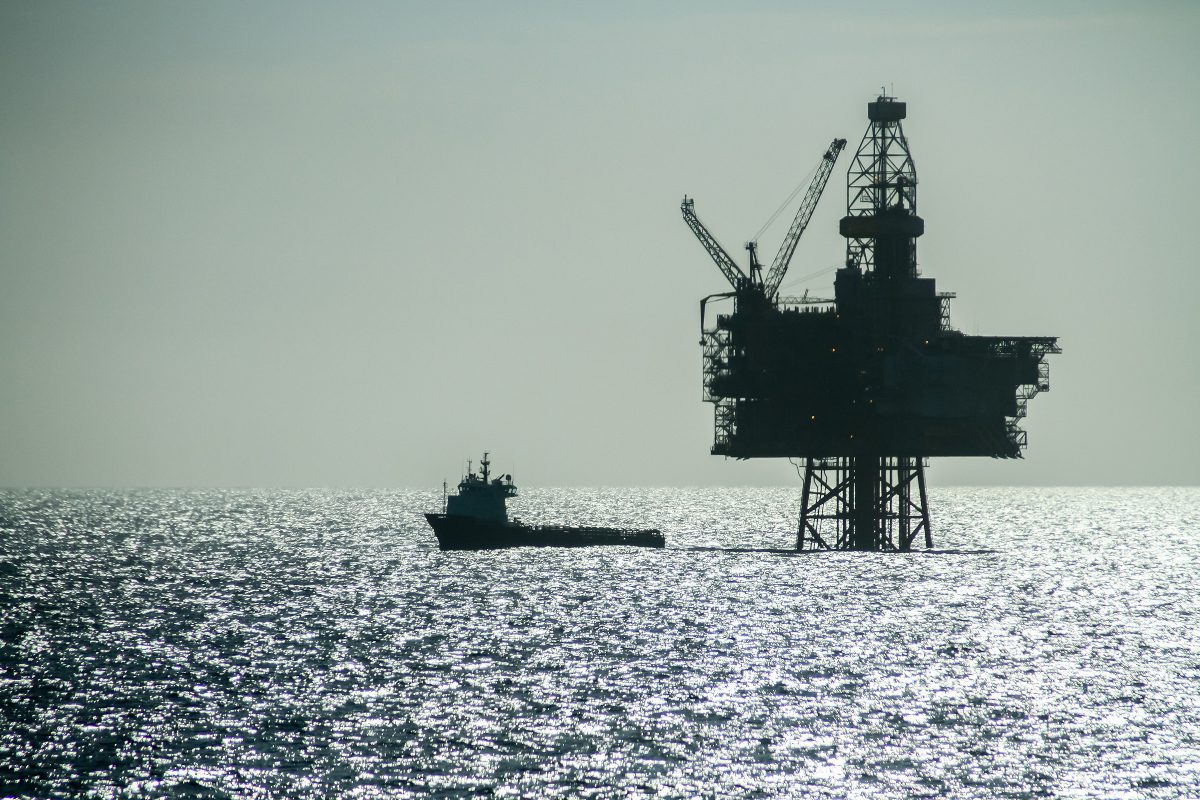
The UK government has granted formal approval for production at the Jackdaw gas field in the North Sea. Following protracted legal challenges concerning environmental impact assessments, the decision allows development to proceed at a site projected to supply roughly 6% of domestic UK natural gas at peak output. To balance climate commitments against energy resilience, the approval was accompanied by plans for a £2 billion fund designed to support clean energy infrastructure and industrial decarbonisation initiatives.
This development underlines the ongoing policy tension between immediate national energy security and long-term net-zero obligations. For energy-intensive manufacturing and recycling sectors, domestic energy availability influences baseline power utility tariffs and the overarching carbon intensity of the national electricity grid. While increased domestic natural gas extraction aims to stabilize wholesale energy costs during volatile geopolitical periods, it simultaneously keeps fossil fuel supply embedded in the national energy matrix for longer.
For waste reprocessors, polymer recyclers, and packaging converters operating in the UK or supplying British markets, grid power and gas prices represent a primary operational cost. Processing plastic scrap—such as mechanical re-granulation of HDPE, PP, or PET—requires substantial power input. Stabilized gas supplies may offer short-term utility cost predictability, but recyclers must remain mindful of evolving corporate emissions reporting. As brand owners demand lower embodied carbon in recycled resins, recyclers must balance power costs against the Scope 2 emissions profiles of their processing facilities when comparing product carbon footprints with virgin polymers.
Practical takeaway: Waste management companies and plastic reprocessors should audit their energy procurement strategies and monitor grid emission factors. Facilities should investigate decarbonisation grants and energy-efficiency investments to mitigate long-term exposure to fossil fuel market volatility while maintaining low-carbon credentials for buyers.