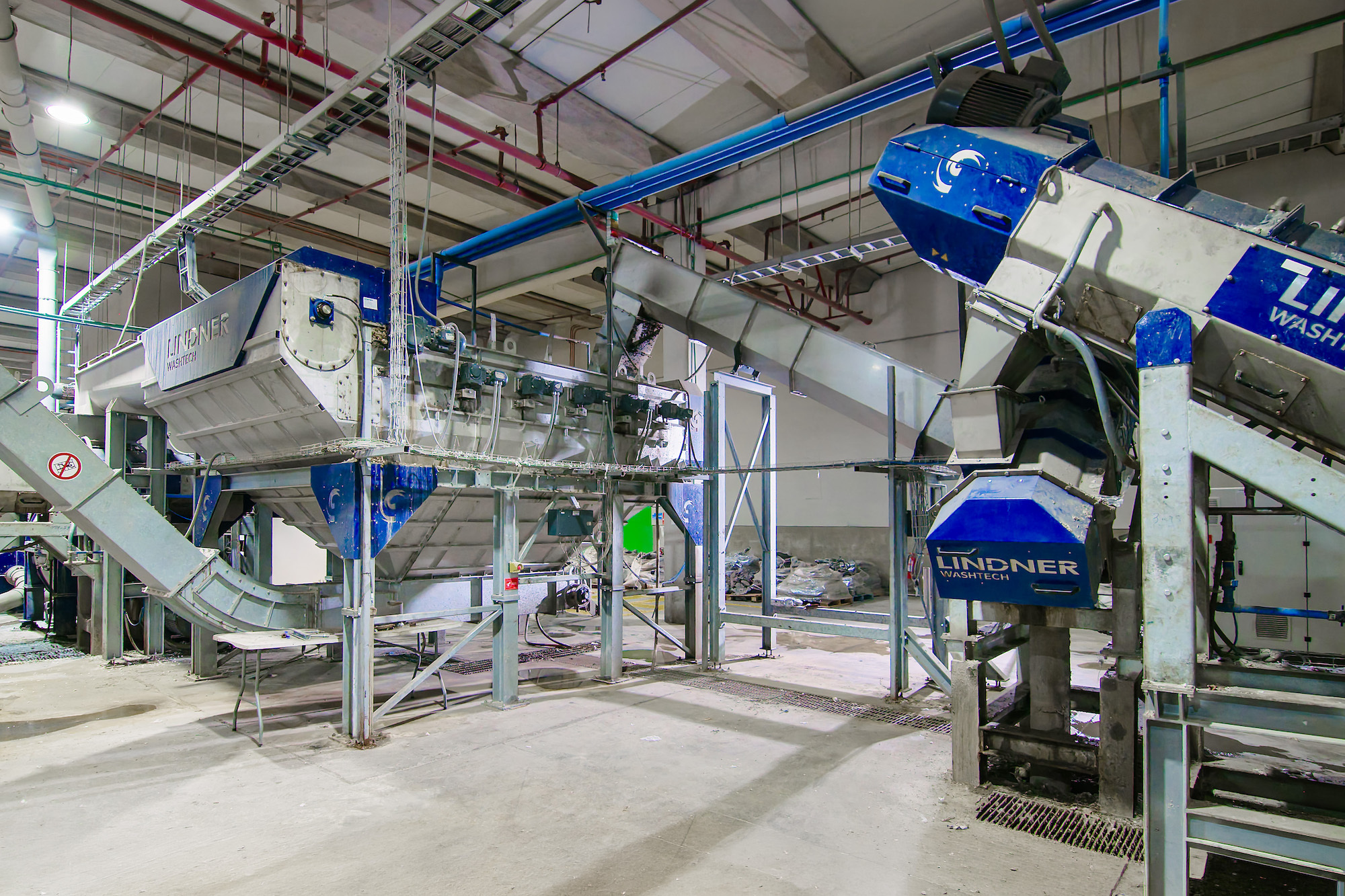
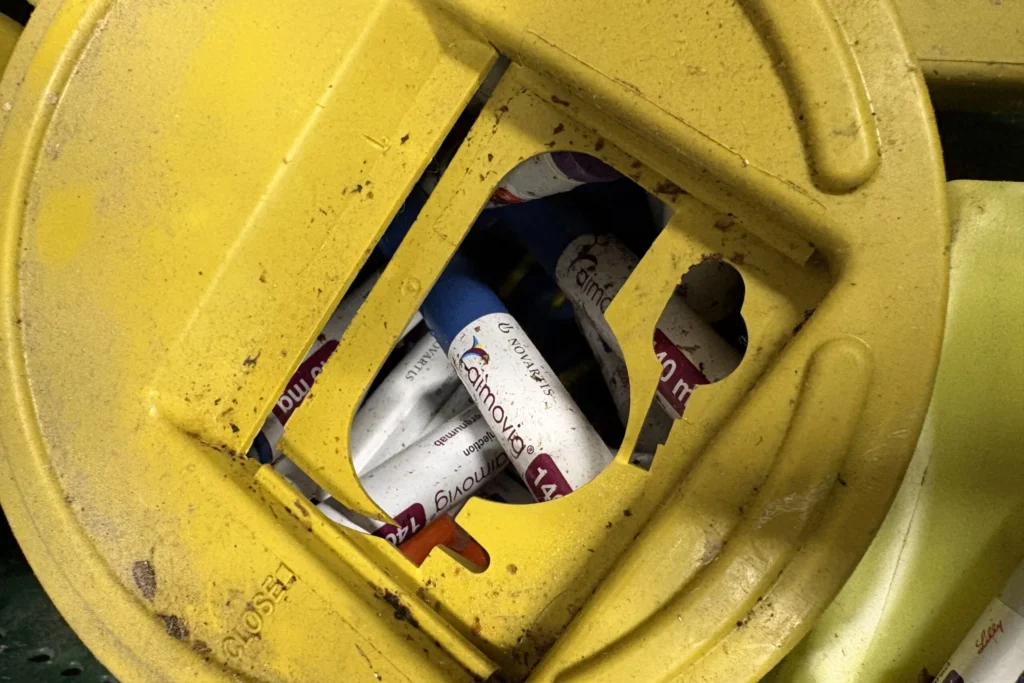
Latin American nations, notably Chile, Colombia, and Brazil, are experiencing a rapid transformation in their plastics recycling sectors, driven by new regulatory frameworks. In Chile, the phased implementation of Extended Producer Responsibility (EPR) laws has spurred local waste management firms, such as Recupac, to partner with European technology providers like Lindner. This collaboration aims to process highly contaminated post-consumer plastics into high-quality raw materials.
This shift highlights a global trend: regulation is the primary catalyst for upgrading recycling infrastructure. Historically reliant on manual sorting and low-grade downcycling, these markets are rapidly industrialising. To comply with strict circular economy targets, recyclers must invest in advanced washing, shredding, and sorting systems. This ensures the output meets the stringent quality standards required by packaging converters for high-performance applications.
For UK waste exporters and Turkish recyclers, this Latin American transition serves as a vital indicator of global market dynamics. As emerging markets build their own domestic recycling capacities to meet local EPR targets, the global flow of plastic scrap will tighten. Turkish recyclers, who rely heavily on imported feedstock, must prepare for increased competition for high-quality waste. Furthermore, UK waste companies can expect stricter export standards as destination countries raise their own environmental bars. Adopting advanced processing technology is no longer optional; it is a baseline requirement for maintaining market access and proving carbon-reduction credentials.
Practical Takeaway: Recyclers in both the UK and Türkiye should benchmark their processing capabilities against these emerging global standards. Investing in closed-loop washing and sorting technology now will secure long-term viability as regulatory scrutiny on polymer purity and carbon footprints intensifies worldwide.