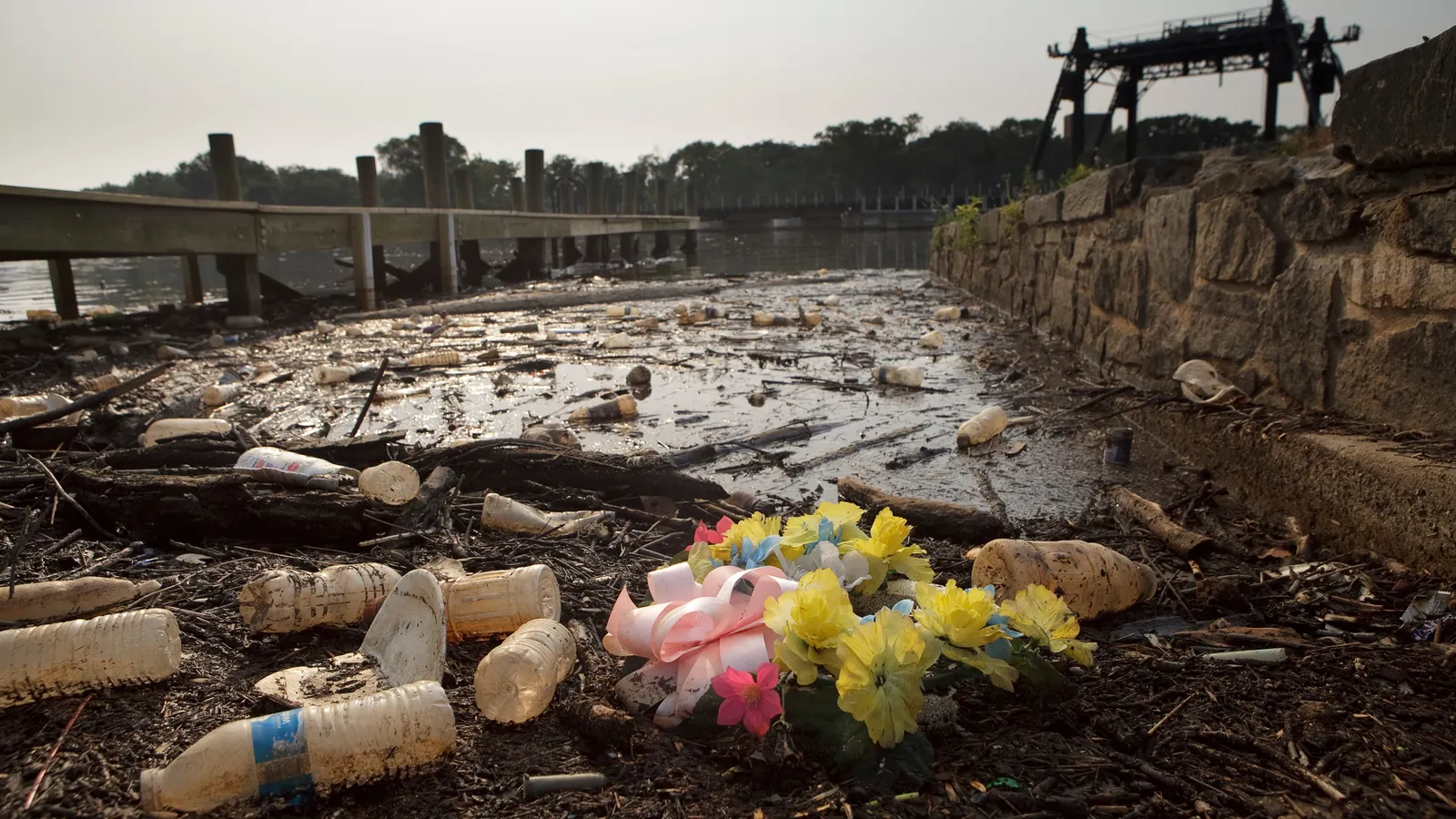
Four years after the Kunming-Montreal Global Biodiversity Framework set ambitious goals at COP15 to halt ecosystem degradation by 2030, global progress has faltered as international delegates prepare for the COP17 summit in Armenia. A majority of signatory nations have failed to submit updated national biodiversity strategies, while financial pledges from developed economies remain below agreed benchmarks.
This stagnation highlights the widening gap between high-level diplomatic pledges and practical execution. As international negotiations stall, environmental policy implementation is increasingly shifting toward national regulatory mechanisms and corporate supply chain oversight. To compensate for missed state-level milestones, policymakers are expanding legislative pressure on resource consumption, extended producer responsibility schemes, and corporate sustainability disclosures.
For UK waste management firms, packaging converters, and Turkish polymer reprocessors, the slowing of state-level biodiversity goals does not indicate a softening of compliance standards. On the contrary, private sector scrutinisation is intensifying through frameworks like the Taskforce on Nature-related Financial Disclosures (TNFD) and the EU’s Corporate Sustainability Due Diligence Directive (CSDDD). Downstream buyers and brand owners are under growing pressure to audit their supply chains for environmental impact, particularly concerning virgin plastic extraction and waste leakage into terrestrial and marine environments. Recycled polymers play a key role in mitigating these risks by reducing the ecological demand associated with petrochemical refining and virgin resin production.
The operational takeaway for cross-border traders and reprocessors is to integrate ecosystem impact metrics into standard reporting. Recyclers and packaging manufacturers should ensure they can quantify virgin material displacement, landfill diversion, and chain-of-custody verification. Providing transparent data on secondary raw materials allows suppliers to help corporate customers satisfy increasingly strict nature reporting obligations while demonstrating tangible environmental value in international markets.