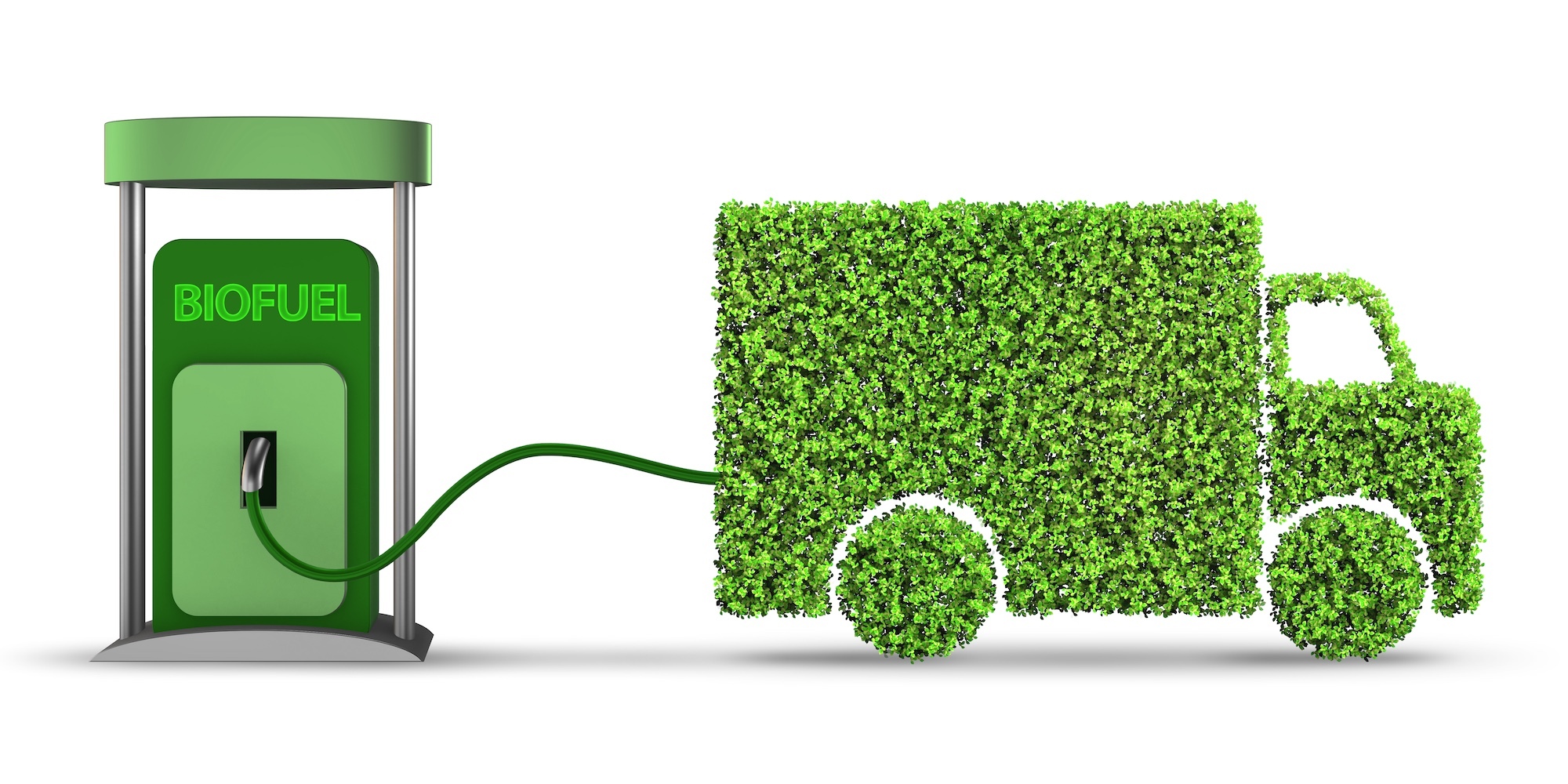
A new international review, 'From Waste to Wheels', has revealed that biomethane derived from food waste, manure, and landfill gas can reduce heavy-duty truck emissions by 45% to 75% compared to conventional diesel. The study highlights that this technology is not a distant prospect, as it is already running commercially in more than a dozen countries.
Heavy goods vehicles (HGVs) represent one of the most difficult sectors to decarbonise. While passenger vehicles and light vans are increasingly transitioning to electric drivetrains, long-haul freight requires high energy density that batteries cannot yet efficiently provide. Biomethane offers an immediate, commercially viable alternative that utilises existing gas distribution infrastructure and engine technology, effectively turning organic waste streams into low-carbon transport fuel.
For UK waste management firms and Turkish plastics recyclers, this development has significant implications for Scope 3 emissions and supply chain carbon reporting. As cross-border carbon accounting frameworks, such as the EU and upcoming UK Carbon Border Adjustment Mechanisms (CBAM), become more stringent, the carbon footprint of transporting materials becomes a critical commercial factor. Decarbonising the logistics corridor between the UK and Türkiye using biomethane-powered fleets can substantially lower the embedded carbon of imported recycled polymers, making them more competitive for FMCG brands targeting net-zero supply chains.
Furthermore, UK waste operators are uniquely positioned to benefit from this circular model. By capturing landfill gas or processing organic waste to generate biomethane, they can secure a dual advantage: producing high-value green fuel whilst simultaneously lowering the operational emissions of their own collection fleets.
As a practical takeaway, recycling exporters and packaging converters should begin auditing the transition plans of their logistics partners. Prioritising freight providers that utilise biomethane or transitional gas fleets will help future-proof supply chains against rising carbon taxes and tightening corporate sustainability mandates.