The adoption of post-consumer recycled (PCR) resins in consumer packaging faces persistent sensory hurdles, specifically residual odours and grey or off-colour tints. While fast-moving consumer goods brands face intense pressure to meet recycled content targets, these aesthetic and olfactory issues limit PCR integration, driving the industry to seek advanced deodorisation technologies and creative design workarounds.
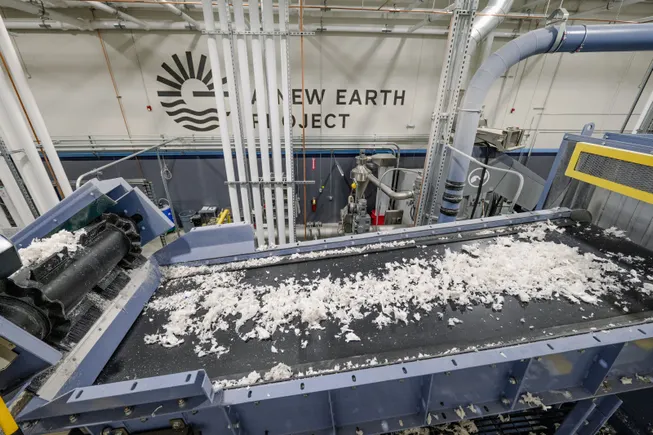
For packaging converters, achieving visual and sensory consistency with PCR is highly challenging compared to virgin polymers. Contaminants from previous lifecycles—such as food residues, cosmetics, or adhesives—often degrade the material's appeal. To bypass these limitations, some manufacturers are shifting PCR to middle layers in multi-layer packaging or restricting its use to darker-coloured bottles and non-food applications. However, scaling the circular economy requires solving these issues at the processing stage through intensive washing, extrusion degassing, and sorting technologies.
This technical bottleneck directly impacts the UK–Türkiye plastics supply chain. UK waste management firms exporting baled scrap must focus on better feedstock sorting to minimise cross-contamination before export. For Turkish recyclers, investing in advanced compounding, deodorisation, and colour-sorting machinery is becoming a key competitive advantage. By upgrading processing capabilities to deliver low-odour, high-clarity rPET, rHDPE, or rPP, Turkish exporters can secure premium contracts with UK and European packaging converters who are desperate to meet strict statutory recycled content mandates without compromising brand presentation.
Practical Takeaway: Recyclers and converters should collaborate early in the design phase, utilising multi-layer co-extrusion to sandwich sensory-challenged PCR between virgin or functional barrier layers, thereby maintaining packaging performance while meeting recycled content quotas.