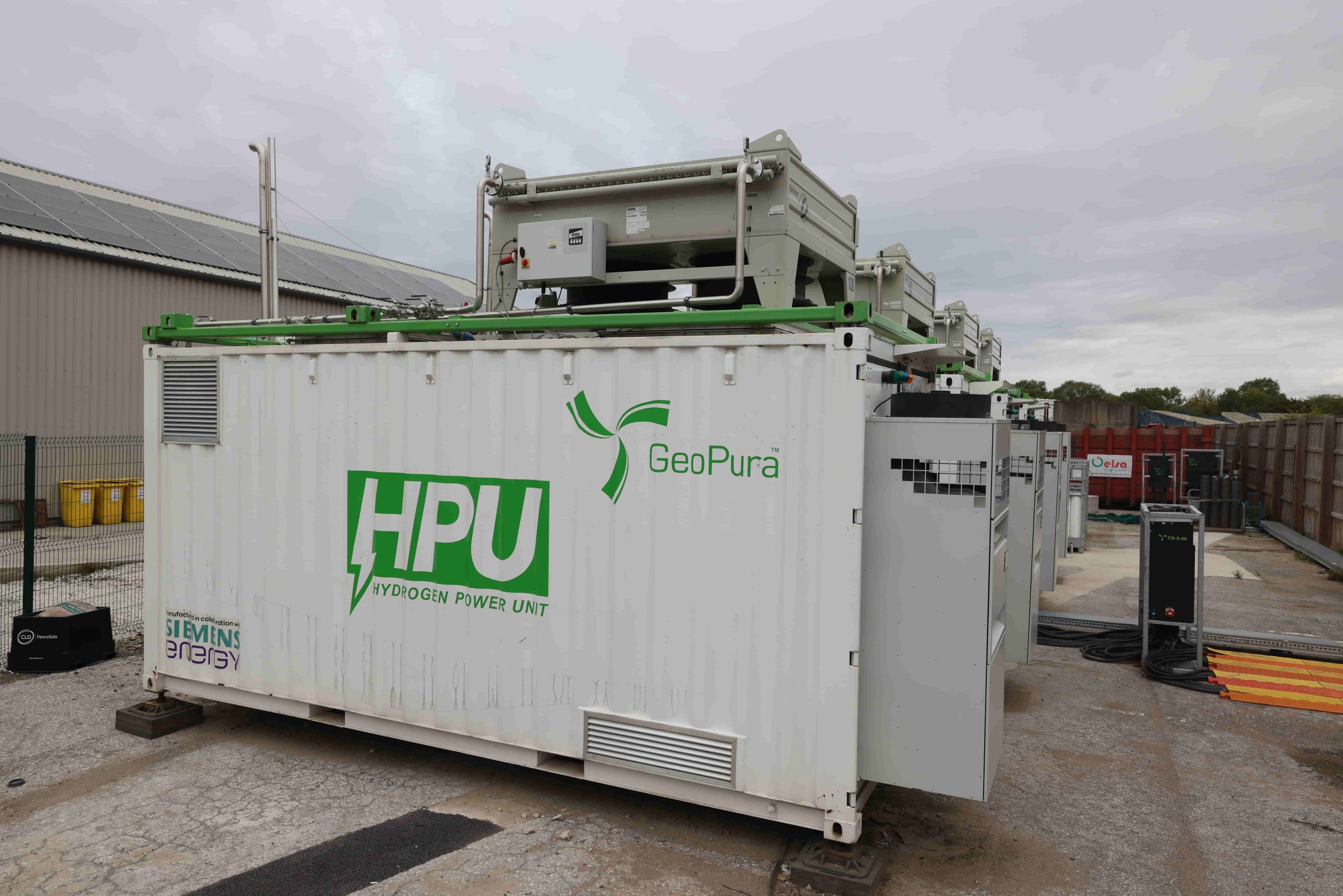
A recycling facility in Stockport has overhauled its energy infrastructure by replacing two diesel generators with a combination of hydrogen power units, solar arrays, and grid electricity. Elsa Recycling, which processes plastic, paper, and cardboard waste, decommissioned two 400kVA diesel generators at its primary site. The transition aims to manage peak power demands more sustainably while significantly reducing the site's reliance on fossil fuels.
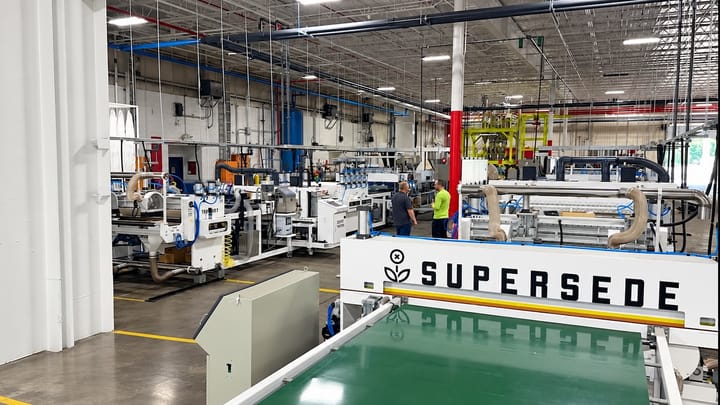
This operational shift highlights a growing trend among waste processors to address the high energy intensity of recycling machinery. Shredders, balers, and optical sorting lines require substantial power, often leading to peak-demand surcharges or reliance on carbon-heavy backup generators. By integrating on-site solar with hydrogen technology, the facility secures a more resilient, low-carbon energy mix.
For our readers—including UK waste management firms and Turkish plastics recyclers—this development underscores the critical need to address Scope 1 and Scope 2 emissions. As supply chain decarbonisation becomes a priority for major packaging buyers, recyclers must prove their operations are low-carbon. For Turkish recyclers exporting post-consumer recycled resins to the UK and EU, reducing the carbon intensity of their processing facilities is increasingly vital to satisfy strict corporate ESG audits and prepare for future carbon border adjustments. Transitioning away from diesel not only lowers the carbon footprint of the final recycled polymer but also insulates businesses from volatile fossil fuel pricing.
The practical takeaway from this initiative is that recyclers should actively audit their peak energy loads. Rather than relying on traditional grid upgrades or diesel generators to handle peak demand, operators should evaluate the feasibility of hybrid microgrids. Combining solar generation with battery storage or hydrogen units can offer a viable pathway to lower both operational emissions and long-term energy costs.