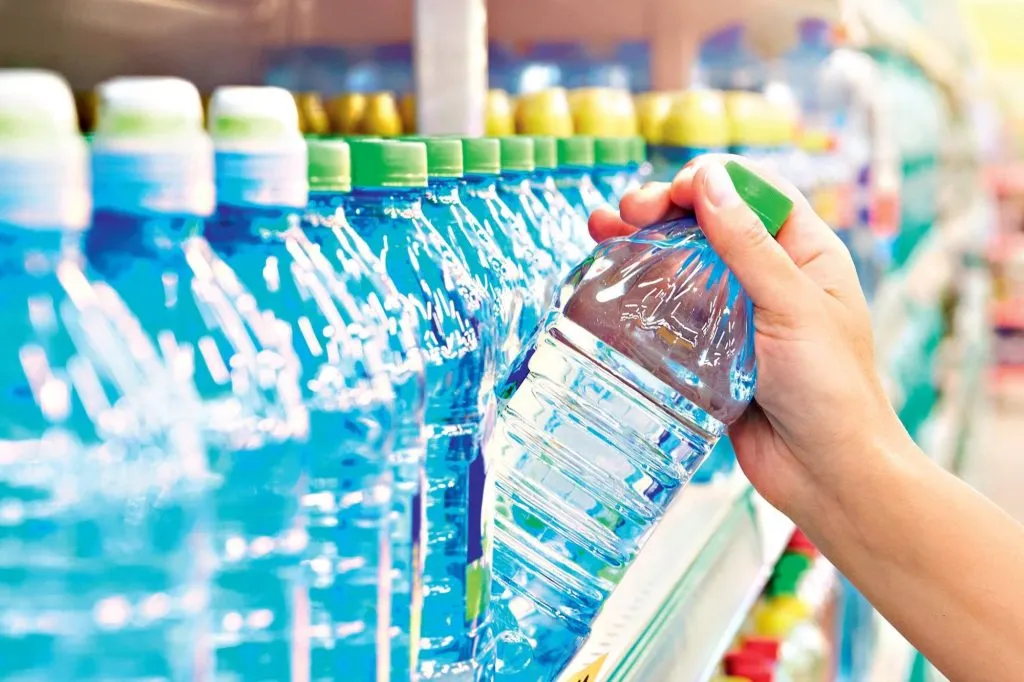
A recent survey published by Materials Recycling World has revealed a significant disconnect between public willingness to participate in the UK's upcoming Deposit Return Scheme (DRS) and general consumer awareness of how the mechanism operates. According to the research, which surveyed over 2,000 individuals, seven out of ten respondents expressed readiness to return empty beverage containers once the scheme goes live. However, six in ten admitted they were entirely unaware of the scheme's existence, despite implementation deadlines drawing nearer.
Why It Matters
The rollout of a national DRS is expected to fundamentally reshape the UK's plastic collection landscape, particularly for food-grade PET bottles and aluminium cans. High participation rates are vital for achieving targeted collection yields and delivering cleaner, single-stream material to reprocessors. Currently, household kerbside collection systems yield mixed-quality plastics that require extensive sorting and decontamination before mechanical recycling. A successful deposit return framework promises higher-purity scrap, significantly boosting domestic rPET yields and reducing contamination levels.
However, the survey highlights a crucial operational risk: without intensive public education campaigns prior to launch, initial collection volumes could suffer from consumer confusion or inertia. For packaging converters relying on a predictable supply of recycled content to meet mandatory plastic packaging tax thresholds, early supply chain friction could temporarily tighten rPET availability.
Implications for UK–Türkiye Trade and Recyclers
For UK waste management firms, the scheme represents a strategic transition from mixed kerbside collection toward dedicated return infrastructure, changing the economic dynamics of material recovery facilities. For Turkish recyclers and reprocessors who source high-grade post-consumer PET from the UK, higher domestic collection quality in Britain could eventually alter the quality profile and availability of export streams. As domestic UK reprocessing capacity absorbs the clean rPET generated by the DRS to meet local recycled content mandates, export volumes of raw PET scrap to overseas markets like Türkiye may experience structural shifts. Turkish operators will need to monitor UK feedstock availability closely and secure compliant, food-contact standard materials through long-term off-take agreements.
Practical Takeaway
UK packaging converters and waste handlers should prepare for initial volatility in feedstock supply during the early stages of the DRS transition. Companies should audit their feedstock procurement strategies now, establishing flexible sourcing arrangements that balance local rPET material with international supply channels.