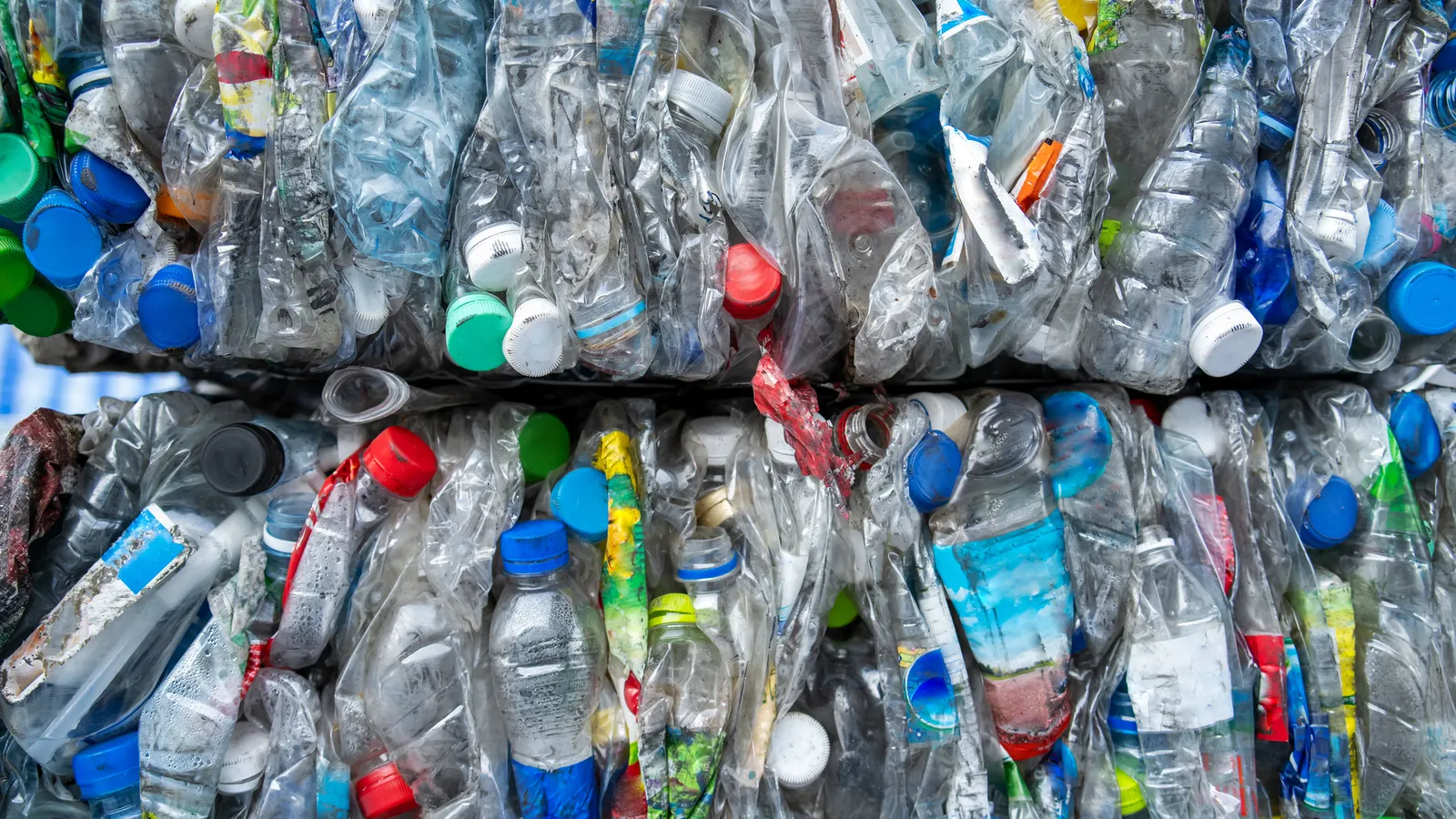
Qatar has unveiled a series of major waste-management and recycling initiatives at the recent Recycling Towards Sustainability Conference in Doha. The state-backed drive focuses on expanding smart waste-segregation systems, modernising municipal sorting infrastructure, and implementing policies designed to divert commercial and industrial waste entirely from landfills.
This acceleration reflects a broader trend across the Gulf Cooperation Council (GCC) region. Historically reliant on primary petrochemical production, these nations are increasingly investing in domestic recycling infrastructure. By establishing state-of-the-art sorting facilities, Qatar and its neighbours are setting new regional benchmarks for polymer recovery and circular economy frameworks.
For UK waste companies and Turkish recyclers, these developments carry notable long-term implications. While not directly linked to the immediate UK-Türkiye trade corridor, the emergence of heavily subsidised, high-tech recycling hubs in the Middle East will inevitably alter global polymer flows and feedstock competition. Turkish recyclers, in particular, must note the rising environmental standards in adjacent markets. As Middle Eastern buyers and regulators align with international circular economy frameworks, Turkish exporters will face stricter requirements regarding material traceability and carbon footprint reporting to remain competitive partners in regional supply chains.
The practical takeaway for European and Turkish operators is the necessity of future-proofing their operations. Companies should continue to invest in advanced sorting technologies and robust carbon-accounting systems. As global standards harmonise upward, maintaining high-purity outputs and transparent emissions data will be critical to defending market share against emerging, well-funded international competitors.