The global push for circular textiles has taken another step forward with materials science firm Recover launching RecoverOne, a new range of low-impact fiber blends made entirely from recycled materials. The product line combines recycled cotton with recycled carrier fibers, such as recycled polyester (rPET), to deliver high-performance circular yarns for the garment industry.
This launch highlights the accelerating convergence of the plastics and textile recycling sectors. Historically, the textile industry has relied heavily on virgin polyester or bottle-to-fiber rPET. As brands face mounting regulatory pressure to reduce their environmental footprints, the demand for verified, high-quality recycled polymers to create durable fiber blends is intensifying.
For UK waste companies and Turkish recyclers, this development carries significant commercial implications. Türkiye is a dominant hub for European textile manufacturing, and its recycling sector plays a critical role in processing imported and domestic plastic waste into synthetic fibers. The growth of premium recycled blends like RecoverOne signals a robust, long-term demand for rPET flakes suitable for fiber extrusion.
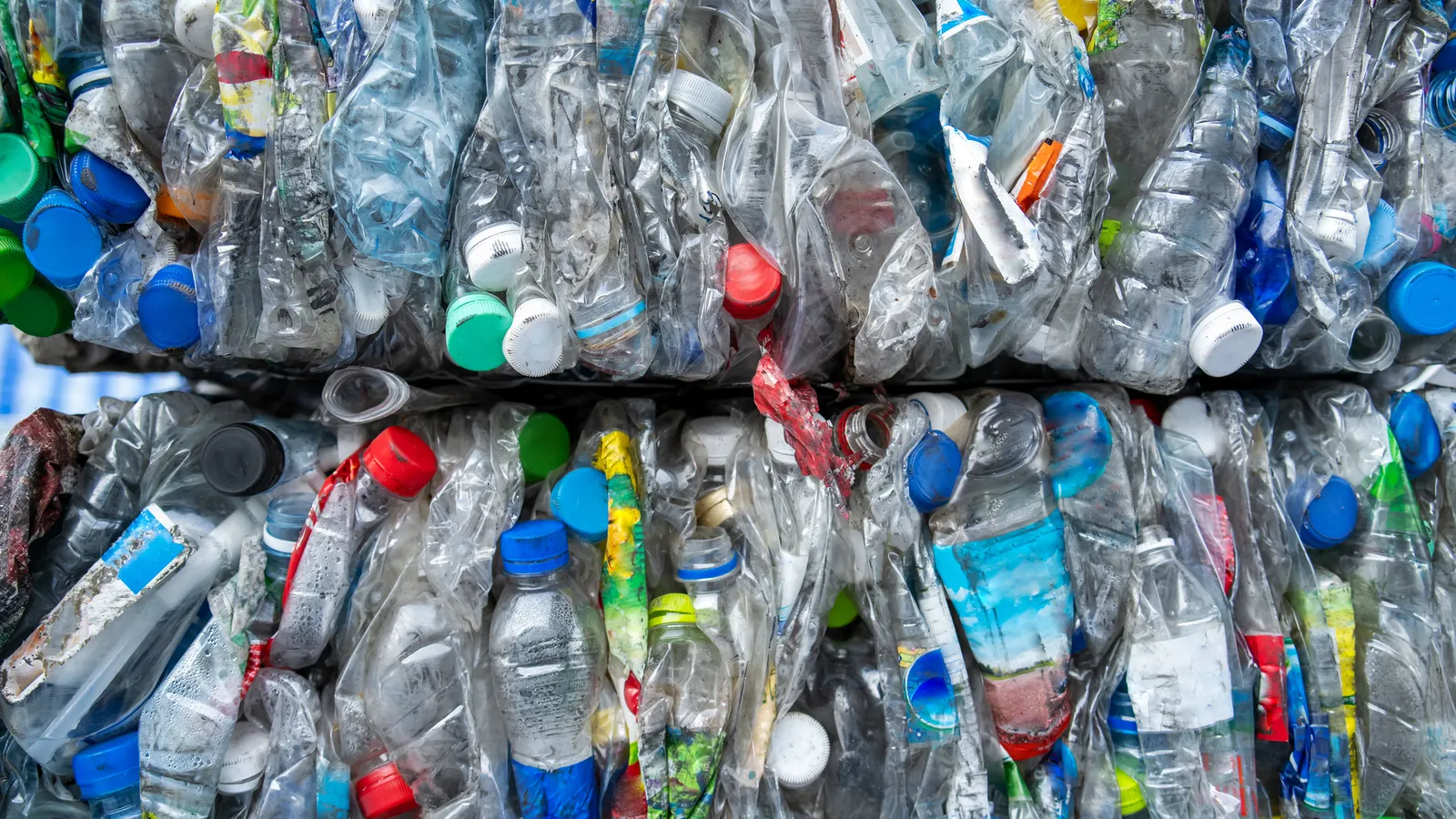
However, this cross-sector demand also intensifies the competition for feedstock. UK waste exporters must recognise that the textile sector remains a major destination for recycled polymers, competing directly with domestic packaging converters who require food-grade rPET. To capitalise on this, suppliers must focus on maintaining low contamination levels in exported baled plastics, ensuring they meet the stringent specifications required for high-value mechanical recycling processes.
From a compliance and carbon reporting perspective, the adoption of 100% recycled blends helps downstream brands address Scope 3 emissions. For recyclers, proving the traceability and post-consumer recycled (PCR) content of their outputs will become a non-negotiable requirement as EU and UK eco-design regulations tighten.
Practical Takeaway: UK waste managers and Turkish polymer processors should prepare for sustained competition for high-quality PET feedstock. Improving sorting efficiency at the materials recovery facility (MRF) level is essential to secure premium prices from both the packaging and textile recycling streams.