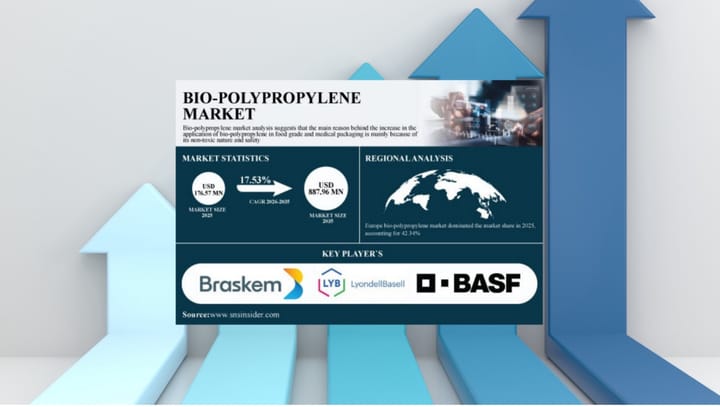
The global market for bio-polypropylene (bio-PP) is experiencing rapid expansion, growing at an estimated compound annual rate of 17.5%, according to recent market data. While packaging applications continue to dominate overall demand, the automotive sector has emerged as the fastest-growing end-use market. This surge reflects a broader industrial shift towards decarbonisation and renewable feedstocks.
For UK packaging converters and Turkish recyclers, this trend carries significant implications. In the UK, the escalating impact of the Plastic Packaging Tax (PPT) and impending Extended Producer Responsibility (EPR) fees are forcing brands to scrutinise their material choices. While mechanically recycled PP (rPP) is highly sought after, food-contact regulations in both the UK and the EU present ongoing compliance hurdles for recycled polyolefins. Bio-PP offers a technically viable alternative, delivering virgin-grade performance and food-safety compliance alongside a substantially lower carbon footprint.
For Turkish recyclers and exporters supplying the UK and European markets, the rise of bio-PP is not necessarily a threat, but a call for strategic adaptation. As European buyers increasingly demand detailed carbon accounting, the integration of bio-attributed polymers via mass-balance certification (such as ISCC Plus) is becoming a key differentiator. Turkish manufacturers who can offer blended solutions—combining high-quality recycled content with bio-based polymers—will be best positioned to meet stringent brand specifications and compliance standards.
The practical takeaway for the supply chain is clear: businesses must prepare for a hybrid future. Packaging converters should actively explore partnerships with bio-PP suppliers to develop hybrid structures that combine recycled and bio-based resins. This approach hedges against regulatory penalties on virgin fossil plastics while ensuring compliance with strict food-contact and performance requirements.