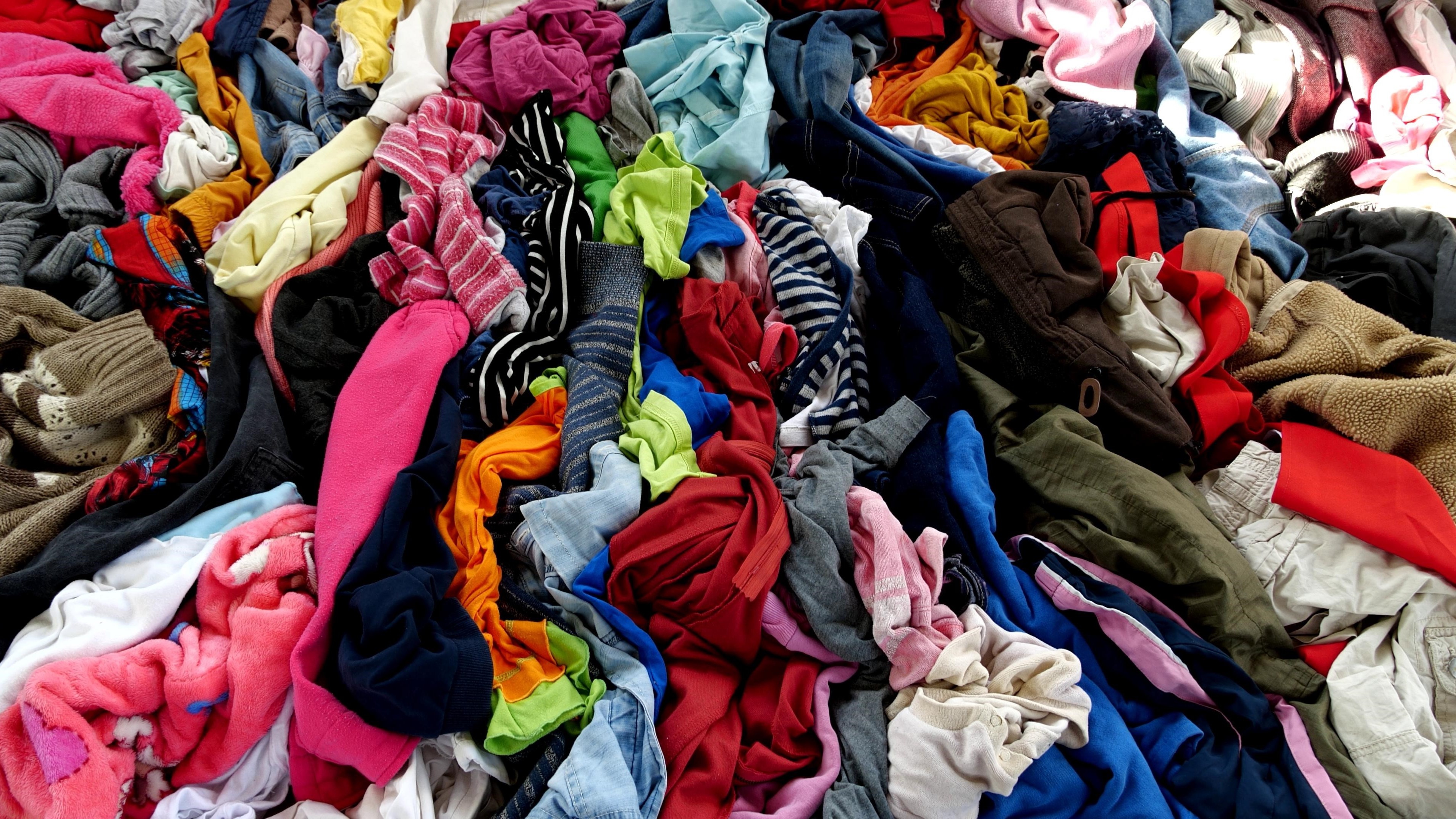
Climate action organisation WRAP has launched a strategic initiative designed to overhaul the UK’s post-consumer textile collection and recycling ecosystem. The initiative aims to address structural weaknesses in current municipal and charity collection models, which are facing severe financial strain due to a sharp drop in used clothing resale values alongside escalating logistics, handling, and sorting overheads.
The UK generates significant volumes of post-consumer textiles, a substantial proportion of which consists of synthetic polymers such as polyester (PET). As global markets for low-grade secondhand clothing contract, waste management operators and reprocessors face growing stock build-ups and diminished margins. WRAP’s project seeks to establish a more resilient circular framework, laying the groundwork for standardised collection protocols, advanced automated sorting technologies, and expanded fibre-to-fibre reprocessing capacity across the country.
For waste management firms and reprocessors, this shift highlights the growing regulatory and operational focus on kerbside separation and feedstock purity. As local authorities and compliance schemes move toward stricter circularity targets, waste operators will need to adapt their sorting infrastructure to handle complex blended streams. Improved textile diversion will also feature prominently in future Scope 3 emissions reporting and corporate carbon accounting, providing reprocessors with standardized metrics to quantify carbon savings from diverted synthetic fractions.
A key practical takeaway for recyclers and waste contractors is to evaluate current material handling capabilities and prepare for potential standardised kerbside mandates. Upgrading optical sorting equipment and feedstock pre-treatment systems now will position reprocessors to handle high-polyester textile fractions efficiently as UK national collection infrastructure expands.