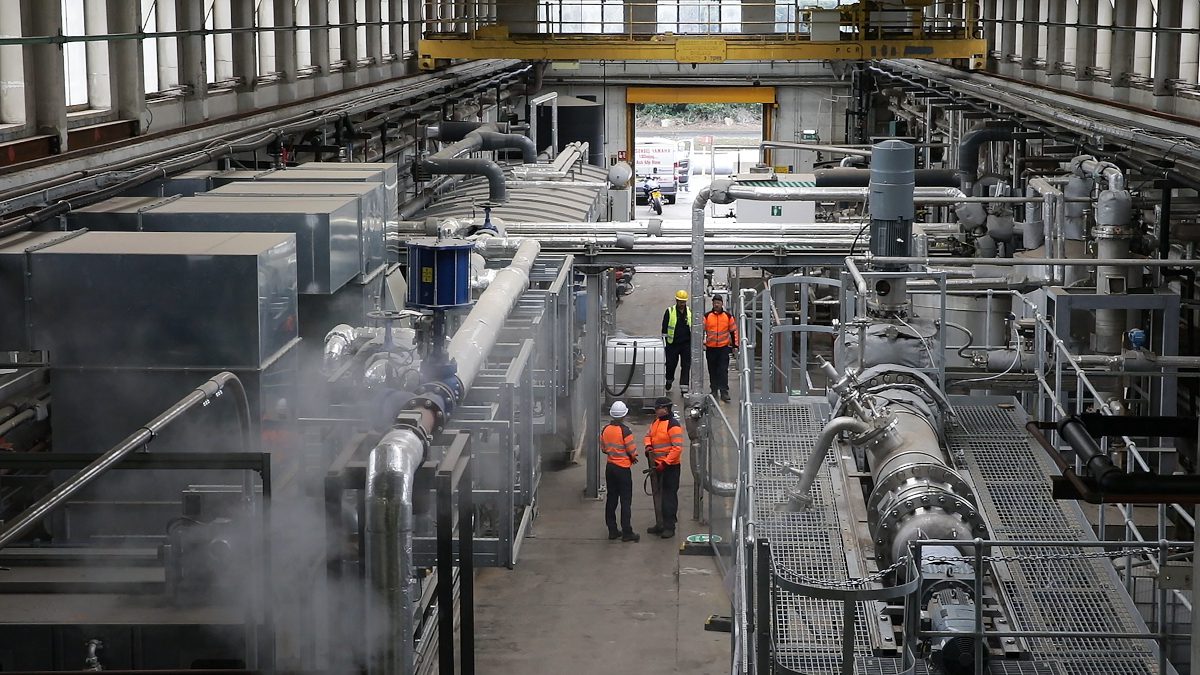
UK-based clean technology developer Nova Pangaea Technologies has successfully completed a continuous 72-hour endurance trial of its proprietary REFNOVA process at its demonstration facility in Teesside. The trial marks a significant milestone as the company prepares to secure funding for its first commercial-scale plant, aiming to convert agricultural and forestry waste biomass into feedstocks for sustainable aviation fuel (SAF).
The REFNOVA technology fractionates non-food biomass into industrial sugars and bio-carbons, which are then processed into ethanol and subsequently SAF. Operating the process continuously for three days demonstrates the mechanical and chemical stability required for commercial operations, addressing a common scaling bottleneck for thermochemical waste-to-energy technologies.
For UK waste management companies and international recyclers, this development signals a tightening market for biogenic waste fractions. As the UK government enforces stricter SAF mandates, the financial incentives to divert woody biomass, agricultural residues, and biogenic municipal waste away from traditional streams will intensify. This shift will directly impact the composition and pricing of residual waste streams.
Furthermore, this trend influences carbon reporting and compliance. As more biogenic carbon is diverted to fuel pathways, the proportion of fossil-derived plastics in remaining municipal solid waste (MSW) will effectively rise. For recyclers and waste processors, this means that residual fractions destined for energy-from-waste (EfW) plants will carry a higher carbon tax burden under the UK Emissions Trading Scheme (ETS). Improving sorting efficiency to extract recyclable polymers will therefore become even more critical to avoid escalating disposal costs.
Practical Takeaway:
UK waste operators should audit their organic and wood waste streams now to assess their potential value in the emerging SAF supply chain, whilst preparing for higher carbon liabilities on remaining non-recyclable plastic fractions.