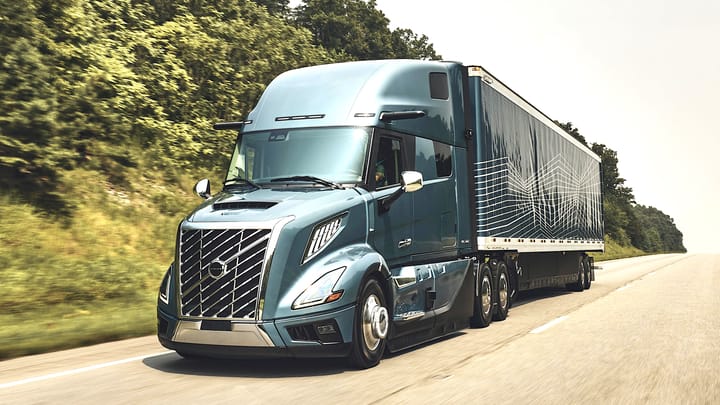
Volvo Trucks has integrated recycled plastics into its latest VNL and VNR heavy-duty commercial vehicle models, marking a significant step forward for circular materials in the automotive sector. According to the company's design team, the primary challenge lay in balancing ambitious corporate sustainability targets with the exceptionally high durability requirements essential for long-haul transport.
Historically, heavy-duty vehicle manufacturers have been slow to adopt recycled polymers for exterior or structural cabin components. The demanding operating environments of commercial trucks—characterised by constant vibration, UV exposure, and extreme temperature fluctuations—require materials with impeccable mechanical properties. Volvo's successful integration of these materials demonstrates that modern recycled resins can match the performance of virgin polymers in highly demanding engineering applications.
For UK waste processors and Turkish recyclers, this development highlights a crucial market evolution. While much of the recycling industry's attention remains focused on consumer packaging regulations, the automotive sector represents a rapidly growing, high-value outlet for technical-grade recyclates, particularly polypropylene (PP) and high-density polyethylene (HDPE). As UK and EU regulations increasingly mandate circularity across the entire lifecycle of vehicles, automotive original equipment manufacturers (OEMs) will face mounting pressure to source traceable, high-purity recycled compounds. Recyclers who can provide consistent, high-quality batches with verified carbon savings will be well-positioned to tap into these premium supply chains, helping OEMs reduce their Scope 3 emissions.
The practical takeaway for recyclers is the necessity of upgrading processing capabilities. To access the automotive market, operators must move beyond basic washing and flaking. Investing in advanced compounding, colour-matching, and deodorisation technologies will be essential to meet the stringent specifications of transport manufacturers, allowing recyclers to diversify away from volatile packaging markets into more stable, high-margin industrial sectors.