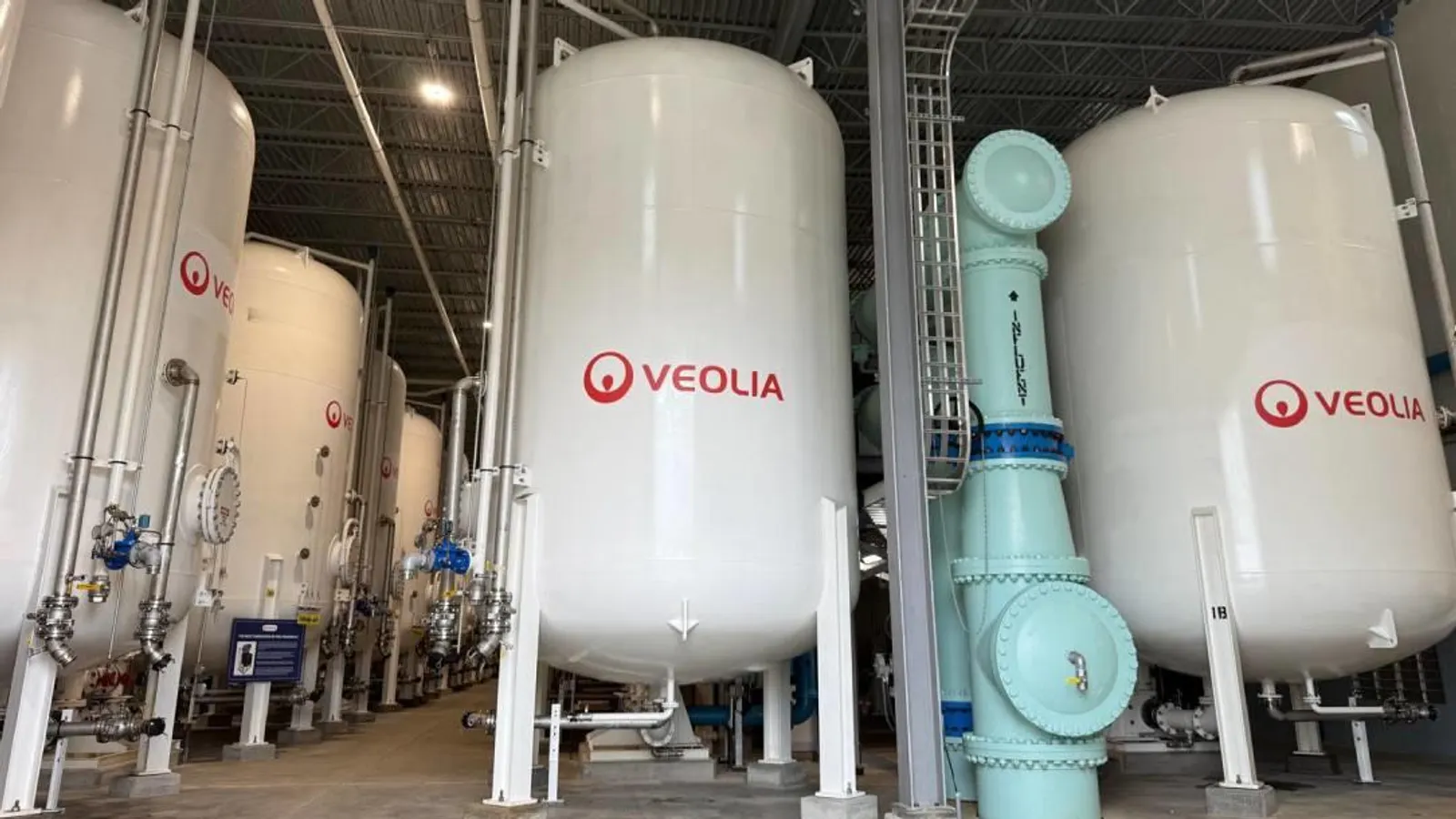
Global environmental services group Veolia has initiated legal proceedings against industrial chemical manufacturers in Delaware, seeking to recover substantial capital and operational expenditure linked to treating per- and polyfluoroalkyl substances (PFAS) in municipal drinking water networks. The company installed granular activated carbon filtration systems to strip the persistent fluorinated compounds from water supplies.
The lawsuit reflects an intensifying international trend toward holding chemical producers financially accountable for legacy contamination caused by "forever chemicals". While this specific dispute centres on US water infrastructure, the legal and regulatory pressure surrounding PFAS is accelerating worldwide. In Europe and the UK, environmental agencies and public health regulators are systematically advancing measures to restrict fluorinated substances in industrial applications, packaging, and manufacturing processes.
What it means for UK and Turkish recyclers
For UK packaging converters, waste handlers, and Turkish polymer recyclers, rising scrutiny over PFAS represents an emerging compliance and operational cost risk. Industrial wastewater from plastics washing plants is coming under tighter oversight, and recyclers may face stricter effluent discharge thresholds or mandatory installation of advanced filtration technologies to capture fluorinated residues.
Simultaneously, packaging converters operating in UK and European supply chains must eliminate PFAS-based grease and moisture barrier coatings to comply with shifting chemical safety and food-contact packaging regulations. Recycled polymers derived from post-consumer packaging containing legacy PFAS additives also face testing barriers as buyers demand cleaner, fully certified secondary raw materials.
Practical takeaway
Packaging converters and plastics recycling operators should review their chemical additive profiles and effluent treatment protocols, ensuring all input materials and barrier coatings are certified PFAS-free to prevent wastewater compliance issues and maintain access to regulated European supply chains.