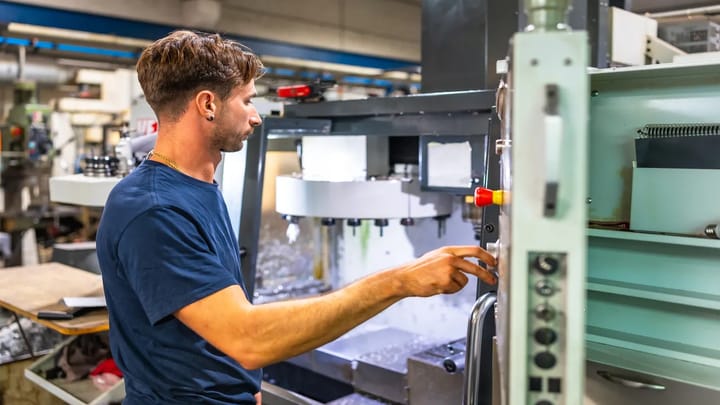
The Plastics Industry Association (PLASTICS) has reported that whilst plastics machinery shipments in the United States experienced a softer second quarter in 2026, new orders and overall equipment investment have rebounded. This uptick in new orders suggests that plastics processors are preparing for increased production capacity in the coming quarters, signaling a potential turnaround in global manufacturing sentiment.
Machinery orders serve as a reliable leading indicator for the health of the wider plastics supply chain. When converters and recyclers invest in new extrusion, injection moulding, and blow moulding equipment, it indicates anticipation of stronger consumer and industrial demand for plastic products and packaging. Despite recent macroeconomic headwinds and elevated interest rates, this shift suggests that the prolonged destocking cycle may be drawing to a close, paving the way for volume growth.
For UK waste management firms, packaging converters, and Turkish recyclers, these North American indicators are highly relevant. The global plastics market is deeply interconnected; a capital expenditure recovery in the US often precedes similar investment cycles in Europe and Anatolia. Turkish recyclers, who rely heavily on exporting high-quality recycled polymers to European packaging converters, should view this as an early sign of stabilising global polymer demand. If global converters are scaling up capacity, polymer prices and raw material demand are likely to find a firmer floor, potentially easing the margin squeeze currently felt by UK waste exporters and Turkish processors.
As a practical takeaway, UK and Turkish businesses should monitor these capital expenditure trends when planning their own capacity allocations for late 2026 and 2027. Packaging converters should prepare for a potential firming of polymer prices, whilst recyclers should ensure their feedstock supply chains are robust enough to handle a projected rise in processing volumes.