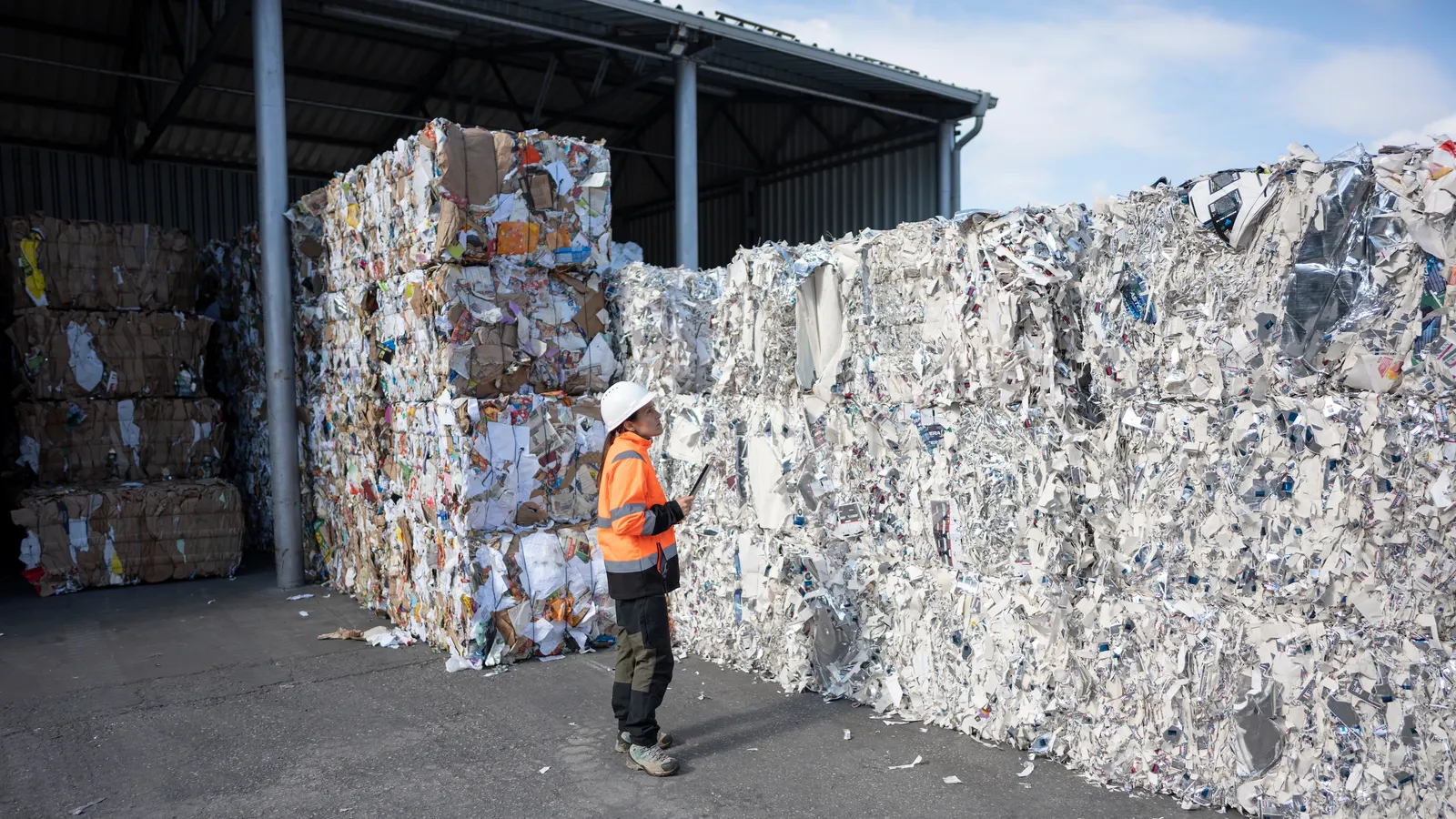
The US Flexible Film Initiative (USFFI) has successfully diverted more than 1,360 tonnes (3 million pounds) of post-consumer flexible plastic packaging from Californian collection programmes to reclaimers in the United States and Canada. Under newly established contracts, major recyclers including Merlin Plastics, EFS-Plastics, and Valemi Corp are processing these materials into PCR resins, proving that targeted supply chains can successfully capture highly volatile film streams.
Flexible films, predominantly low-density polyethylene (LDPE) and polypropylene (PP), represent a significant bottleneck in global recycling infrastructure. Historically plagued by high contamination rates and sorting difficulties, films are often landfilled or incinerated. The USFFI’s success demonstrates that structured, multi-stakeholder partnerships can establish reliable feedstock pipelines, bridging the gap between municipal collection and commercial-scale reprocessing.
This development holds strong significance for the UK–Türkiye recycling corridor. In the UK, waste management companies are currently preparing for the government’s "Simpler Recycling" mandates, which will require local authorities to collect flexible plastics from households by 2027. The US pilot provides a valuable blueprint for how UK material recovery facilities (MRFs) can structure supply agreements with domestic and international reprocessors to handle this influx of material.
For Turkish recyclers, who rely heavily on imported European and British LDPE film scrap, the global push toward better film collection is a double-edged sword. While it promises a larger volume of feedstock, it also demands stricter quality control. Turkish processors must align their technology to handle post-consumer film grades, which often carry higher contamination than post-industrial scrap. Improved sorting at the source in the UK will ultimately deliver cleaner, more reliable material to Turkish ports, reducing yield losses and processing costs.
A key takeaway for UK waste operators is the necessity of securing early off-take agreements. Rather than treating flexible film as a residual burden, operators should collaborate with converters and recyclers to establish dedicated, closed-loop supply contracts that guarantee quality and pricing stability.