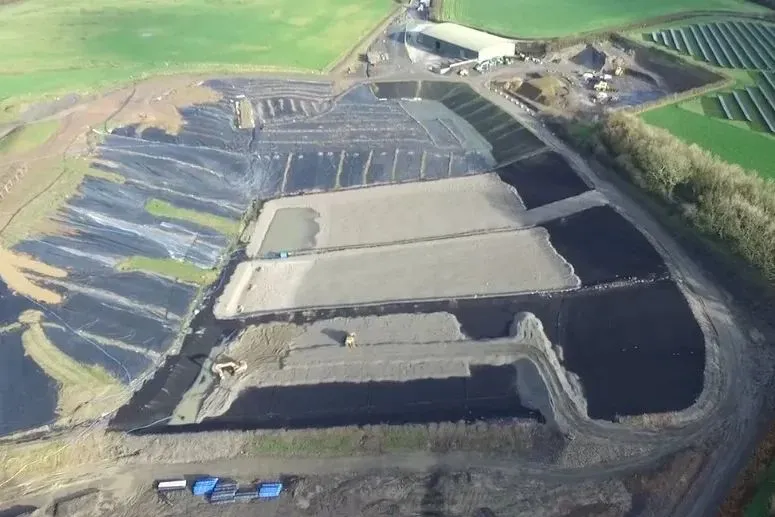
A US federal court has dismissed legal challenges brought by waste management trade groups against the Environmental Protection Agency's (EPA) decision to designate two major PFAS compounds—PFOA and PFOS—as hazardous substances under federal environmental remediation law.
Industry groups had argued that the agency overreached its statutory remit, contending that designating the persistent "forever chemicals" creates severe financial liability for waste and recycling facilities that act merely as passive receivers rather than original producers of the substances. The court upheld the agency's designation, cementing strict legal responsibilities for monitoring, reporting, and potentially funding clean-up operations.
Why it matters
The ruling reinforces an accelerating global shift toward holding downstream handlers accountable for persistent chemical pollutants. As environmental agencies worldwide seek to eliminate fluorinated compounds from the circular economy, waste handlers and recyclers are finding themselves on the front lines of chemical compliance. The decision confirms that passive handling does not confer automatic immunity from hazardous substance rules in major jurisdictions.
Implications for UK and Turkish recyclers
While this judicial decision is specific to the United States, the regulatory trajectory it reflects is directly relevant to European and Turkish operators. In the UK and the European Union, authorities are moving forward with broad PFAS restriction proposals under REACH and national chemical regulations. Secondary plastics processors handling post-consumer packaging, textiles, or technical polymers face growing scrutiny over chemical residues in recycled pellets.
For Turkish reprocessors exporting recycled compounds into the UK and EU, brand owners and packaging converters are increasingly requiring verified compliance data demonstrating low or zero fluorinated content. As testing thresholds tighten, recyclers must ensure that contaminated input stock does not compromise high-value food-contact or consumer-grade output.
Practical takeaway
Operators should review incoming polymer streams for potential fluorinated additive risks, update raw material intake testing protocols, and prepare technical documentation to satisfy stricter non-PFAS declarations from downstream converters.