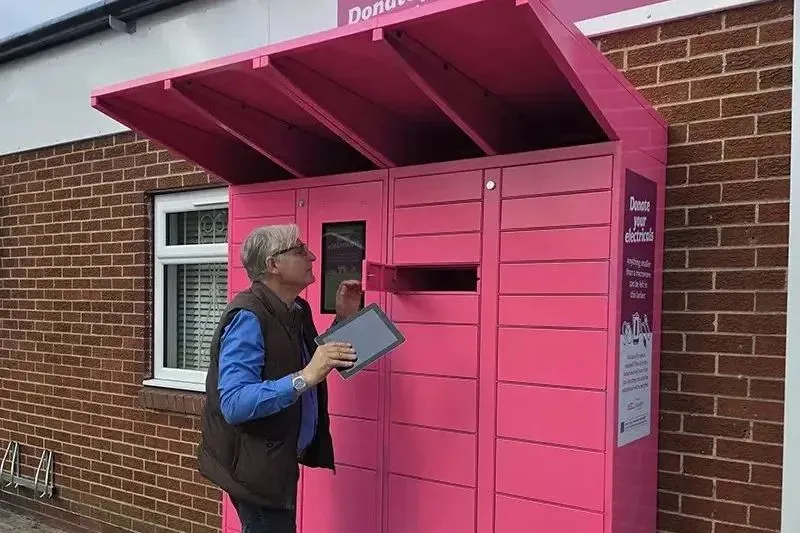
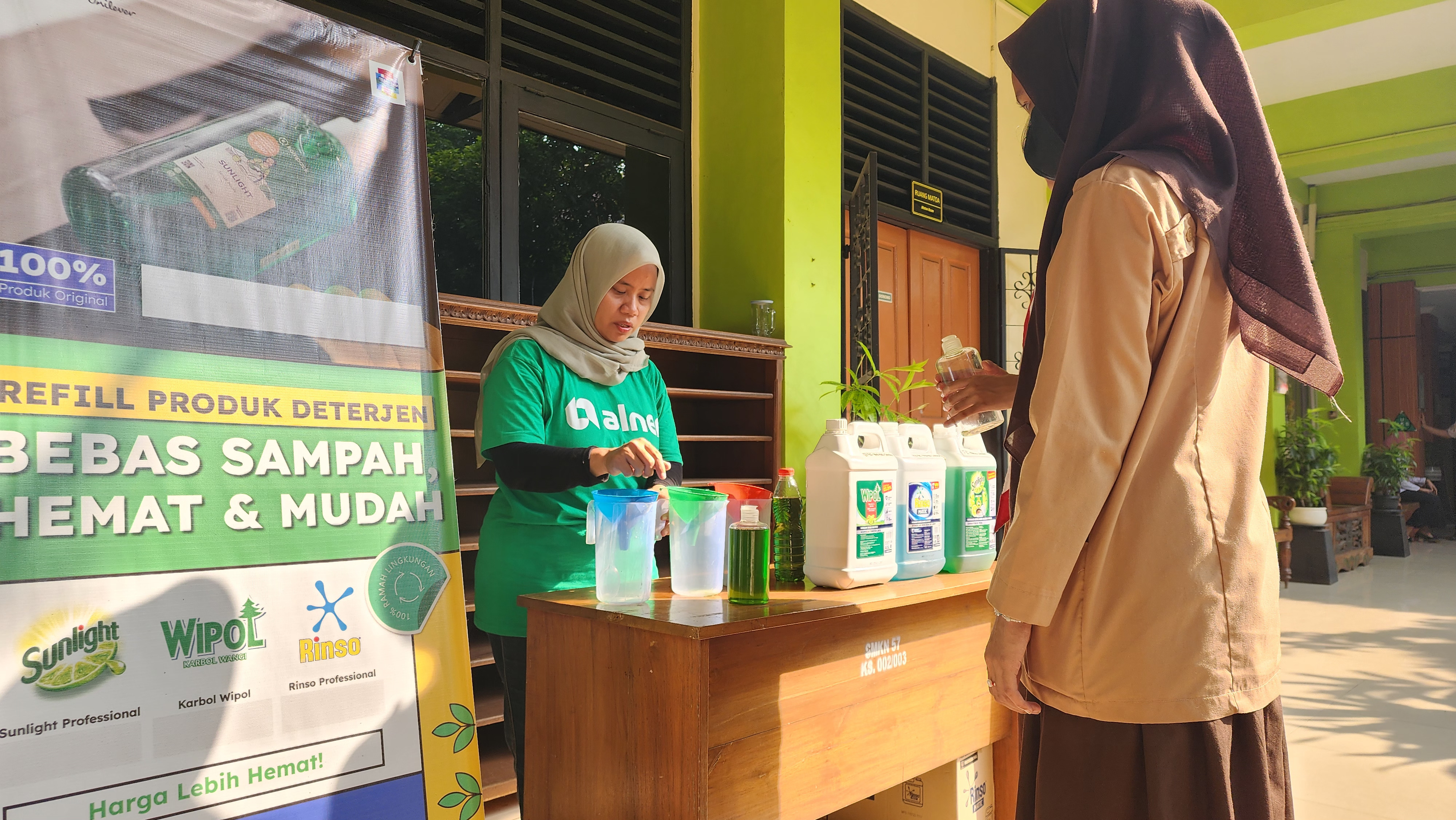
The UK’s electrical waste recycling landscape is set for a targeted upgrade, as not-for-profit organisation Material Focus has committed more than £565,000 to fund 15 pilot projects across England and Scotland. Funded through the Electrical Recycling Fund, these initiatives aim to make it significantly easier for local communities to access recycling facilities for Waste Electrical and Electronic Equipment (WEEE).
The pilots will explore various collection methods, ranging from kerbside collections to dedicated drop-off points in community hubs. By lowering the barriers to household disposal, the scheme seeks to capture a larger portion of the millions of small electrical items that currently end up in residual waste or are hoarded in homes.
Why it matters to the plastics sector
While WEEE is often viewed through the lens of precious metals and circuit boards, it represents a major source of technical and engineering plastics, including high-impact polystyrene (HIPS), ABS, polypropylene (PP), and polycarbonate. Improving the collection infrastructure for small household appliances is a critical first step in securing a clean, consistent stream of these high-value polymers. For UK waste management firms, these pilots offer valuable data on how to optimise collection yields and reduce contamination before materials reach sorting facilities.
Implications for UK–Türkiye recyclers
For recyclers operating within the UK–Türkiye trade corridor, developments in WEEE collection are highly relevant. As the UK tightens its circular economy policies and seeks to reduce export reliance on unprocessed waste, domestic pre-sorting of WEEE plastics will become more sophisticated. Turkish recyclers, who possess advanced processing capabilities for technical polymers, rely on high-quality, well-segregated feedstocks. Improved UK collection systems ultimately translate to more reliable, lower-contamination polymer streams entering the secondary market, helping processors meet strict import specifications and carbon-reduction targets.
Practical takeaway
UK waste operators should monitor the outcomes of these 15 pilots to identify which collection models yield the cleanest plastic fractions. Adapting local collection strategies based on these findings will help suppliers command premium prices for well-segregated technical plastics in both domestic and export markets.