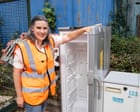
A dramatic rise in discarded domestic refrigeration units is putting severe operational pressure on local authority waste sites across England and Wales. Driven by record summer temperatures that have pushed older appliances to breaking point, alongside a growing consumer trend for secondary backup cooling appliances, recycling facilities are facing unprecedented storage backlogs.
According to waste management operators, some regional sites are processing the equivalent of multiple articulated lorry loads of broken fridges every week. This sudden influx has exhausted designated storage capacities, raising concerns over compliance with strict environmental permits and fire safety regulations at municipal transfer stations.
For UK waste management companies and polymer recyclers, this backlog presents both an operational bottleneck and a resource opportunity. Refrigerators are a major source of technical plastics, particularly high-impact polystyrene (HIPS) and acrylonitrile butadiene styrene (ABS), alongside polyurethane insulation foams. However, extracting these materials requires specialised, high-standard depollution processes to safely capture hazardous refrigerants and blowing agents before the plastic fraction can be recovered.
This infrastructure strain directly impacts UK-Türkiye supply chains and circular economy metrics. Turkish recyclers relying on imported technical polymers must navigate increasingly tight UK export controls on waste electrical and electronic equipment (WEEE) fractions. As UK sites struggle with volume, the risk of cross-contamination increases, potentially jeopardising the quality of exported baled plastics. To maintain compliance and avoid costly shipment rejections under Annex VII or national regulations, operators must ensure rigorous sorting at the point of collection.
Practical Takeaway:
UK waste firms should review their storage contingency plans and strengthen sorting protocols for WEEE plastics. Ensuring clean separation of HIPS and ABS fractions during this high-volume period will help maintain their value and secure reliable export routes to overseas recyclers.