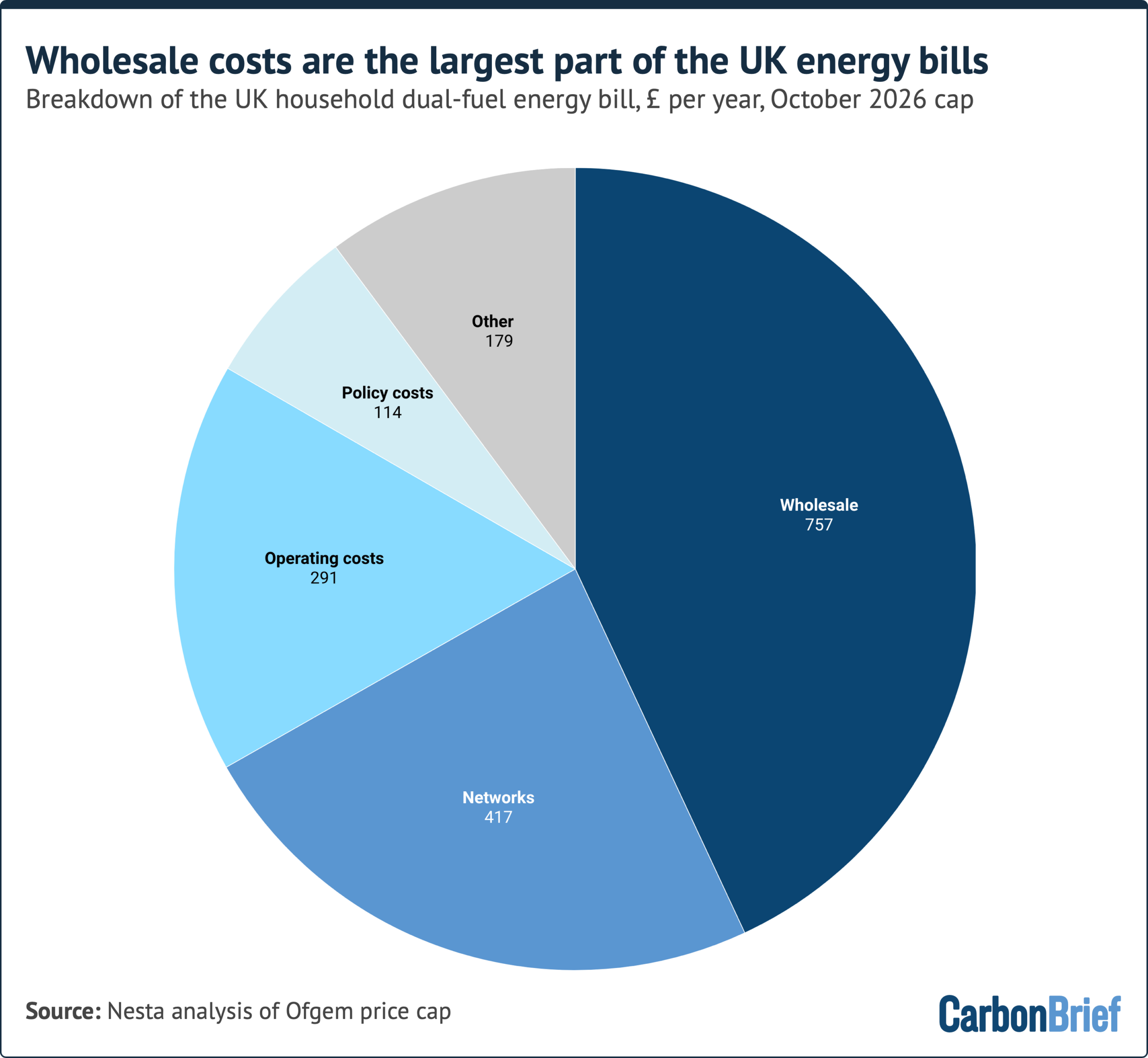
Environmental campaigners and public figures are urging the UK Treasury to rethink its £24 billion funding commitment for Carbon Capture, Utilisation, and Storage (CCUS) technologies. Ahead of upcoming fiscal announcements, critics are appealing to the Chancellor to reallocate capital away from large-scale CCUS schemes toward immediate emissions reduction initiatives and measures to alleviate high energy costs for industry and households.
The appeal highlights growing scrutiny over the UK’s climate spending strategy. Opponents argue that the government’s allocated support for carbon capture is "exorbitantly expensive" compared to global peers, exceeding the combined planned investments of the EU, the US, Norway, and Japan. While the UK government views CCUS as essential for reaching net-zero targets across heavy industry and power generation, critics warn that relying heavily on unproven capital-intensive technologies risks diverting capital away from existing, scalable decarbonisation solutions.
What it means for the plastics and recycling sector
For UK waste management companies, packaging converters, and Turkish reprocessors linked to the UK supply chain, the allocation of national climate budgets carries direct operational consequences. Mechanical and chemical recycling facilities operate energy-intensive infrastructure, including wash plants, shredders, and extruders. High energy tariffs in the UK continue to squeeze profit margins across the polymer processing chain.
If public funding remains focused on long-term CCUS infrastructure rather than targeted industrial electrification, grid decarbonisation, or energy efficiency grants, reprocessors will continue facing high operational electricity costs. Furthermore, as corporate sustainability reporting tightens across the UK and Europe, buyers of recycled polymers increasingly demand low Scope 1 and Scope 2 carbon footprints. Delays in broader grid decarbonisation or localized green incentives make it harder for processors to lower the embodied carbon of their rPET, HDPE, and PP granules.
Practical takeaway
Recyclers and converters should not wait for macro-level carbon capture projects to reduce their operational footprint. Businesses should actively focus on internal energy efficiency audits, securing direct renewable power purchase agreements (PPAs), and investing in high-efficiency processing machinery to control costs and satisfy customer carbon accounting standards.