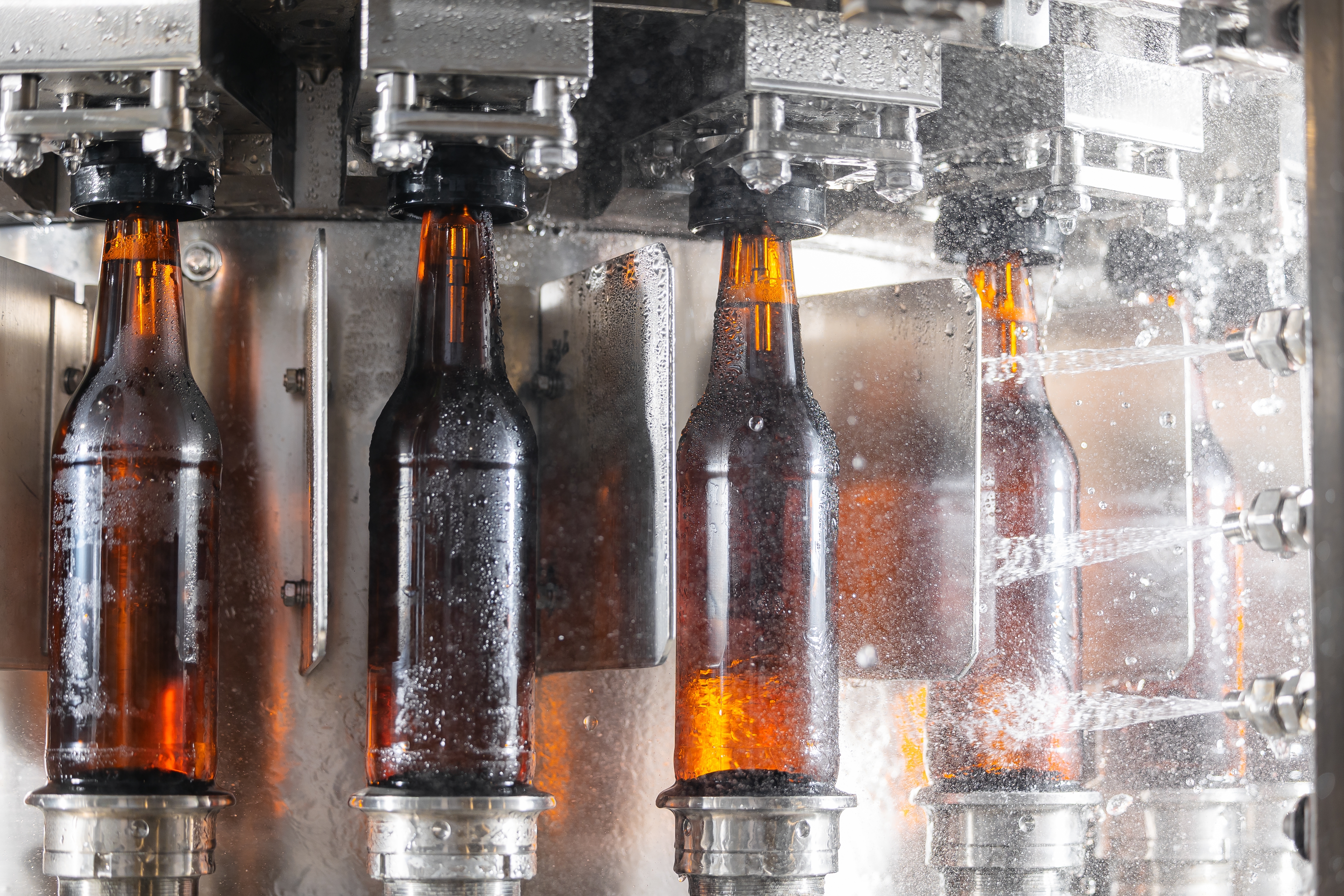
The trade body British Glass has launched a concerted effort to position glass as the primary medium for the UK’s transition to reusable food and drink packaging. With the UK government currently exploring policy frameworks to encourage reusable packaging systems, the glass sector is advocating for its material based on its chemical inertness, safety in food-contact applications, and established recycling infrastructure.
This development marks a critical point in UK packaging policy. If government incentives or mandates heavily favour glass for reuse systems, it could displace substantial volumes of rigid plastic packaging, particularly in the beverage and dairy sectors. However, establishing nationwide glass washing and logistics networks requires massive capital investment and carries a high transport carbon footprint. This opens a window for the plastics sector to champion durable, lightweight polymer alternatives, such as polypropylene (PP) or polyethylene terephthalate (PET), which can withstand multiple wash cycles whilst offering lower transport emissions.
For UK waste companies, packaging converters, and Turkish recyclers, this material competition is highly significant. A regulatory pivot towards glass reuse could reduce the availability of high-quality, single-use plastic bottles, tightening the supply of domestic polymer feedstock. Conversely, it accelerates the demand for advanced, food-contact approved recycled polymers capable of meeting the strict hygiene and durability standards required for multi-trip plastic containers. Turkish recyclers exporting to the UK must align their processes to supply high-purity, food-grade resins that can compete in a market increasingly focused on durability and low lifetime carbon emissions.
As a practical takeaway, UK packaging converters should accelerate the development of standardised, food-contact approved reusable plastic formats. Demonstrating that multi-use plastics can outperform glass on lifetime carbon metrics will be essential to securing a role in the UK’s future reuse infrastructure.