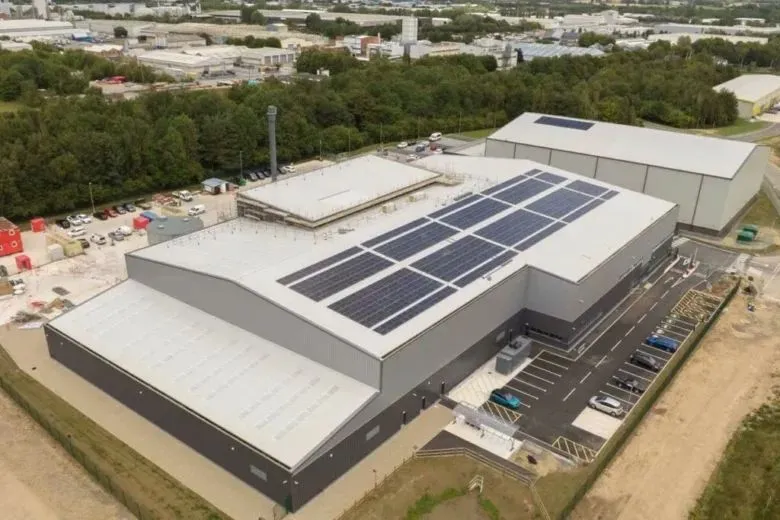
The UK environmental regulator has indicated a "minded to" position regarding a draft permit approval for a specialized clinical waste treatment facility in County Durham. The decision follows extensive technical assessments of the proposed high-temperature incineration plant, which aims to process healthcare residues. Despite localized public concerns regarding potential atmospheric emissions, the regulatory authority concluded that the planned abatement technologies and operational safeguards meet national environmental standards.
Permitting decisions for thermal waste facilities reflect the balancing act within the UK waste management landscape between infrastructure capacity and environmental controls. Specialized medical waste requires high-temperature destruction to ensure bio-safety, making incineration an indispensable final destination. However, the approval process underscores the rising regulatory barrier regarding stack emissions, heavy metals monitoring, and continuous emissions measurement systems. As the UK continues to tighten its atmospheric release thresholds and integrates waste management into broader net-zero targets, thermal treatment operators face mounting operational and reporting requirements.
For waste management operators, polymer recyclers, and sustainability directors, the evolving regulatory oversight around incineration highlights broader operational shifts. As compliance requirements become more stringent for thermal processing, operating costs for final disposal routes inevitably rise. This creates a clear incentive for materials collectors to optimize sorting upstream, ensuring that non-contaminated recyclable plastics are diverted away from energy recovery or clinical disposal streams toward mechanical recycling channels. Furthermore, as reporting rules under carbon accounting frameworks become stricter, understanding the compliance profile of downstream waste processors is crucial for accurate Scope 3 emissions reporting.
The key practical takeaway for waste contractors and recyclers is to review current waste stream characterisation and emissions audit trails. As regulatory scrutiny over waste management emissions increases across the UK, ensuring robust segregation at source remains the most cost-effective safeguard against escalating disposal fees and compliance liabilities.