An industry alliance representing producers and users of fibre-based composite packaging has called on UK government ministers to review how packaging Extended Producer Responsibility (pEPR) fees are calculated. The group argues that the current framework for evaluating material sustainability under the polluter-pays principle penalises multi-material composite formats without adequately accounting for their functional performance or overall lifecycle impact.
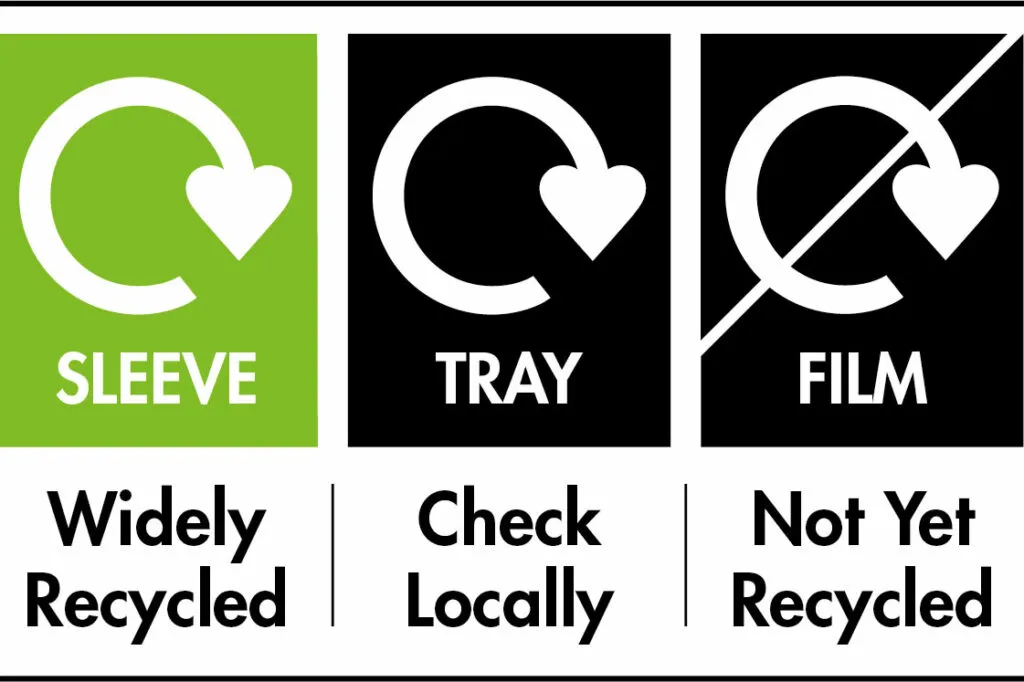
The UK’s pEPR system is designed to shift the net costs of managing household packaging waste onto brand owners and importers. As fee schedules take shape, obligation rates will vary based on packaging design and recyclability. Composite packaging—which frequently combines paperboard with plastic polymer barriers or foil layerings—presents recognised sorting and reprocessing challenges for municipal waste streams. However, industry representatives contend that over-simplified fee criteria risk penalising lightweight composite formats that deliver vital product protection and lower carbon footprints, while inadvertently favouring heavier alternatives.
For packaging converters and waste management firms operating across the UK and Türkiye, fee structures under pEPR directly influence material selection and supply chain strategy. Shifts in fee modulation between plastics, mono-materials, and fibre-plastic composites alter the commercial calculus for packaging design. UK converters must carefully evaluate whether transitioning between plastic barrier films and fibre-rich structures remains viable once pEPR liabilities are calculated. Meanwhile, Turkish packaging manufacturers exporting finished packaging or preforms into the UK must align their material specifications with UK eco-design benchmarks to prevent excessive compliance surcharges for their UK buyers.
Practical Takeaway: Packaging specifiers and recycling firms should audit multi-material and composite portfolios ahead of finalised pEPR fee schedule implementations. Converters should model the financial impact of potential fee modulations to determine whether material redesigns or switching to mono-material polymer structures offers greater long-term cost stability.