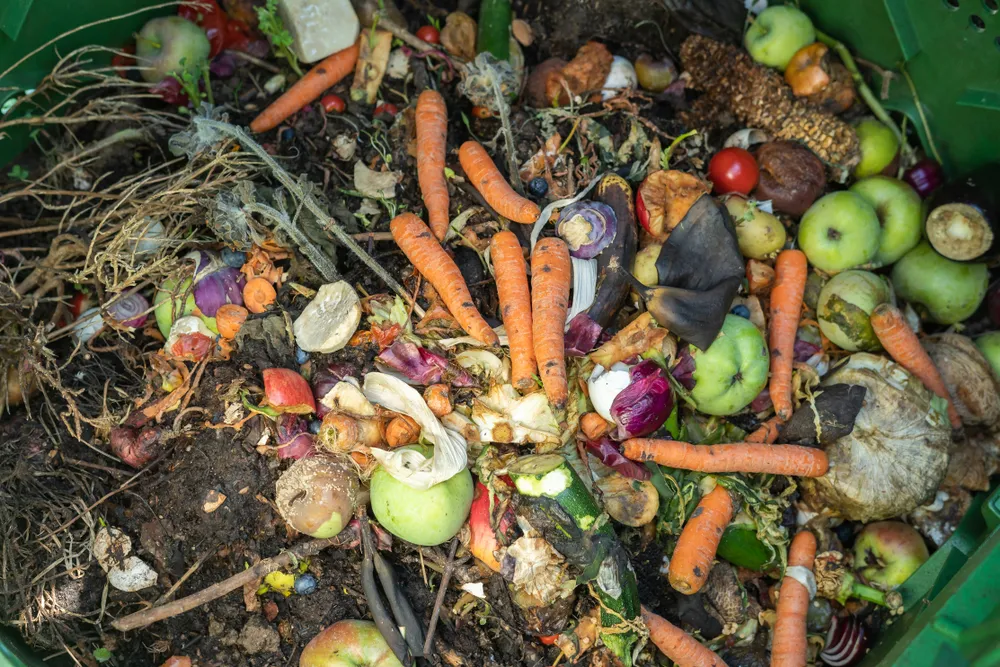
The UK municipal waste landscape is undergoing steady procurement shifts, highlighted by the launch of new food waste haulage tenders and a series of local authority and housing association recycling contract awards. These developments reflect ongoing efforts by local councils to modernise their waste management infrastructure ahead of upcoming national regulatory deadlines.
For the wider recycling supply chain, municipal contracts are the foundation of feedstock generation. How local authorities structure their collection and haulage agreements determines the sorting efficiency and eventual destination of dry recyclables, including key polymer grades. As councils adapt to stricter collection mandates, the focus is increasingly on reducing contamination at the source and optimising logistics routes.
For UK waste companies and Turkish recyclers, these municipal updates are highly significant. UK operators bidding on these contracts must design systems that can deliver high-purity sorted fractions. For Turkish plastics processors, who rely heavily on imported UK post-consumer packaging, the success of these municipal collection schemes directly dictates the quality of available export bales. Improved municipal sorting and haulage efficiency mean fewer contaminants in UK-exported HDPE, LDPE, and PP, helping Turkish importers comply with stringent national import regulations and maintain high-quality recycled outputs.
The practical takeaway is that market players must closely monitor local authority procurement trends. UK waste firms should leverage advanced sorting capabilities in their bids, while Turkish recyclers should build relationships with contract-winning UK operators to secure stable, high-quality material streams.