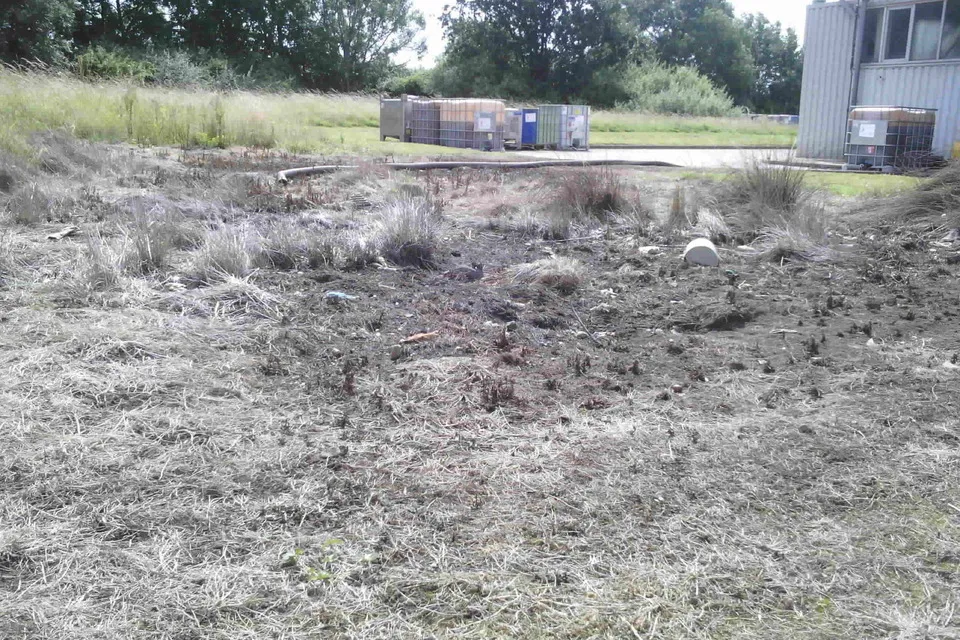
A chemical manufacturer based in Newton Aycliffe has been ordered to pay a £100,000 fine following regulatory enforcement over a toxic waste release at its operational site. The prosecution arose after an investigation revealed that liquid waste from phenol-based production had been allowed to discharge into the ground, prompting immediate action by environmental regulators.
The enforcement outcome reflects a broader trend of stringent oversight by the UK Environment Agency regarding industrial site operations and pollution prevention. Regulatory authorities are demonstrating zero tolerance for containment breaches, particularly where hazardous effluents or toxic liquids threaten subsoil integrity and local watercourses. In addition to direct court penalties, non-compliant facilities face substantial legal expenditures and mandatory remediation costs.
Practical Takeaway for Operations
Industrial site operators must prioritize regular auditing of secondary containment structures, drainage systems, and liquid storage units. Implementing predictive maintenance for bunding integrity and ensuring immediate spill-response protocols are active can prevent minor containment failures from escalating into major regulatory offenses.
Implications for Recyclers and Compliance Reporting
For UK waste management firms and plastics reprocessors, this case underscores the high operational risks linked to environmental permit compliance. Facilities running washing lines, processing industrial scrap, or managing chemical additives are subject to identical regulatory scrutiny regarding site run-off and liquid waste management. Breaching permit conditions not only risks severe legal financial penalties but also disrupts operations and damages environmental management compliance metrics required for carbon and ESG disclosures.
Furthermore, for international trade partners, including Turkish recyclers importing post-industrial materials from the UK, regulatory compliance among supply chain partners is increasingly vital. Ensuring that UK counter-parties hold flawless environmental records and verified site permits protects downstream operations from supply disruption and reputational risk.