The UK Environment Agency (EA) is set to increase its deployment of artificial intelligence and machine learning to identify compliance risks and target waste-sector operators. By strengthening its data analytics capabilities, the regulator aims to predict which sites and operators pose the highest risk of environmental harm or illegal activity, allowing inspectors to intervene more efficiently.
This technological shift represents a move towards predictive regulation. Rather than relying solely on scheduled inspections or reactive reporting, the EA will use algorithms to assess vast datasets, flagging anomalies in waste movement, site capacity, and reporting discrepancies. This proactive stance is designed to disrupt waste crime, illegal exports, and permit breaches before significant environmental damage occurs.
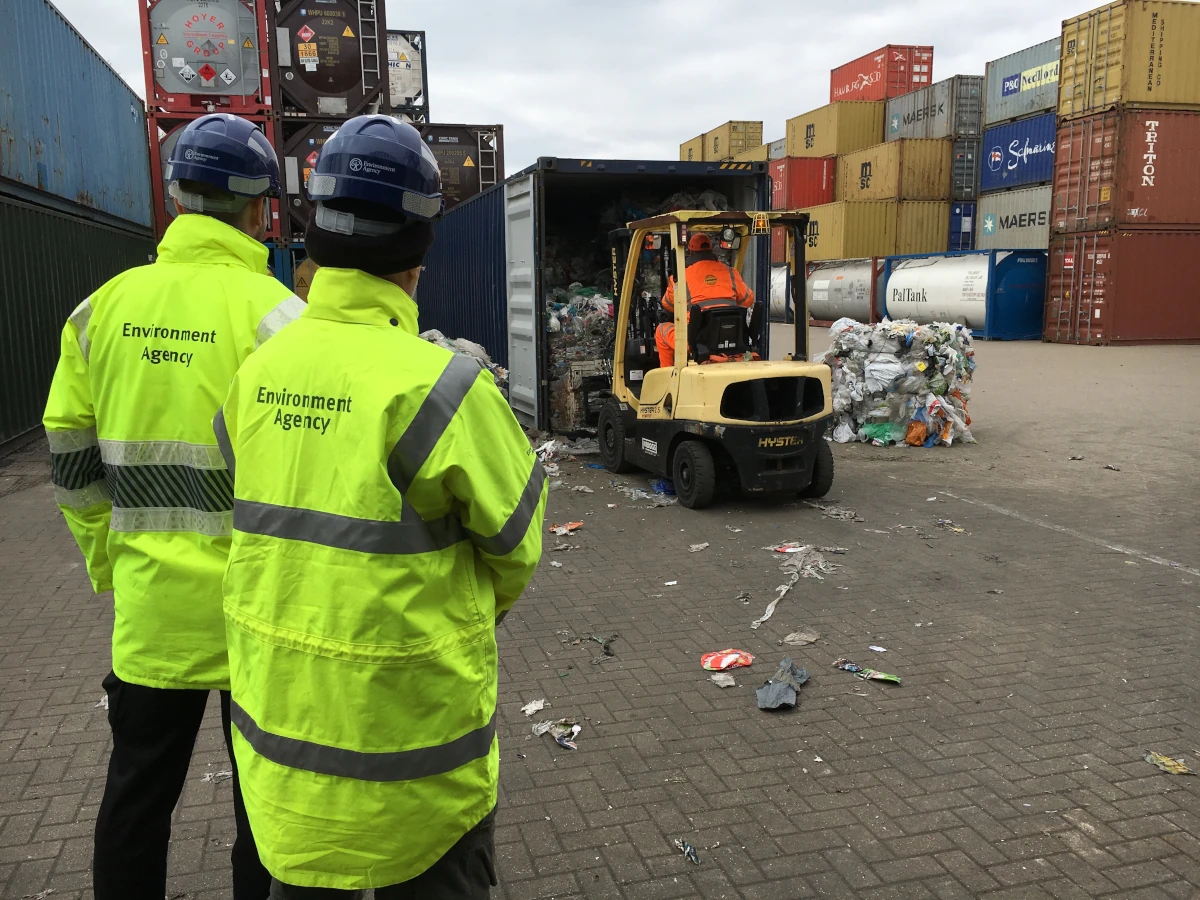
For UK waste companies and exporters shipping plastic scrap to Turkish recyclers, this development signals a tightening of the regulatory net. The EA's AI systems are highly likely to scrutinise transfrontier shipment (TFS) data and Annex VII documentation. Any inconsistencies in paper trails, weight discrepancies, or unusual trading patterns could automatically trigger audits or port inspections. UK exporters must ensure their supply chains are fully transparent and compliant, as automated flagging could lead to costly shipping delays and administrative holds. Turkish recyclers, relying on a steady flow of high-quality, legally compliant feedstock from the UK, also stand to benefit from a cleaner supply chain, though they may face stricter documentation demands from their UK partners.
A practical takeaway for UK operators is to conduct immediate internal audits of all digital waste tracking data and compliance records. Because AI systems thrive on identifying data discrepancies, ensuring that all physical shipments perfectly match digital submissions is now a critical operational priority to avoid being flagged for inspection.