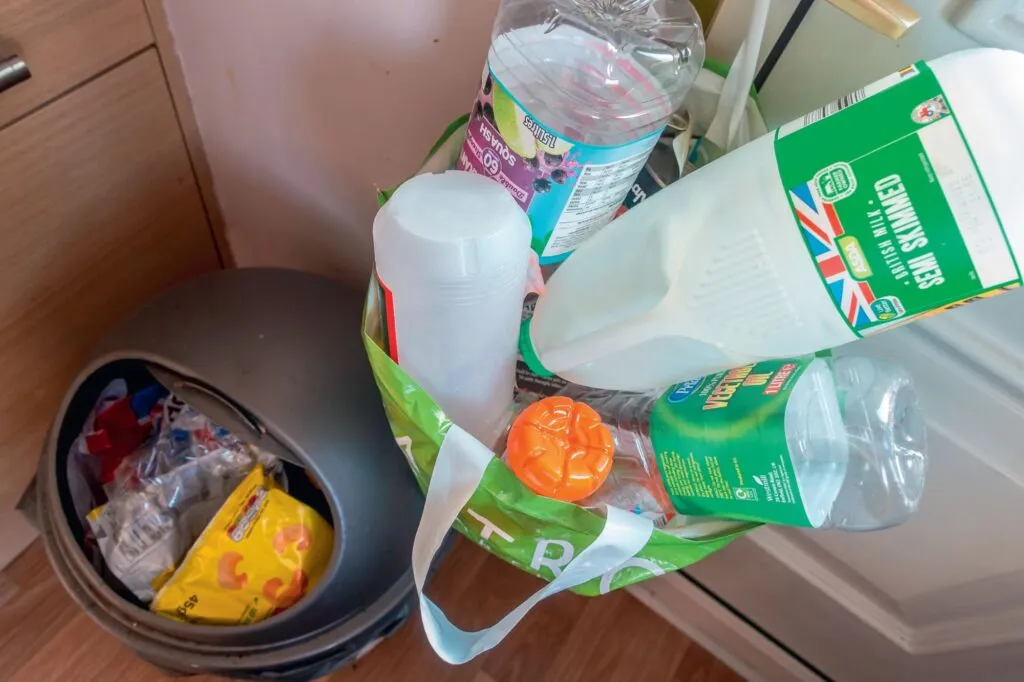
A recent survey has revealed that more than two-thirds of UK consumers (68%) plan to return empty drinks containers as part of their regular shopping routines once the UK’s Deposit Return Scheme (DRS) is implemented. The research highlights strong public readiness to engage with the upcoming environmental policy, which aims to capture billions of single-use plastic bottles and aluminium cans annually.
The DRS, scheduled for launch across the UK in October 2027, will apply a small, refundable deposit to drinks containers. Consumers will reclaim this fee by returning the packaging to designated return points, typically located at retail outlets. The high projected participation rate suggests that the transition from traditional kerbside recycling to deposit-based return systems could occur rapidly once the infrastructure is in place.
For UK waste management companies and packaging converters, this shift represents a fundamental restructuring of the domestic recycling landscape. The diversion of PET bottles from household dry mixed recyclables into a dedicated DRS stream will inevitably reduce the volume of plastics in kerbside bins. However, the resulting DRS material will be significantly cleaner, free from the cross-contamination that often plagues municipal waste streams. Packaging converters can expect a more reliable supply of high-grade, food-contact rPET, helping them meet stringent recycled content mandates.
For Turkish recyclers importing UK feedstocks, the implementation of the DRS is equally significant. While overall export volumes of mixed plastic waste from the UK may contract as domestic circularity improves, the quality of available polymer fractions is set to rise. Clean, source-segregated PET from a DRS system is highly prized. Turkish processors who rely on consistent, high-purity inputs to manufacture export-grade rPET pellets will find these developments crucial for their long-term supply chain planning.
Practical Takeaway:
UK packaging producers and international recyclers must prepare for a shift in feedstock dynamics ahead of 2027. Businesses should audit their supply contracts now, anticipating a reduction in low-grade municipal PET and an increase in premium, source-segregated DRS material.