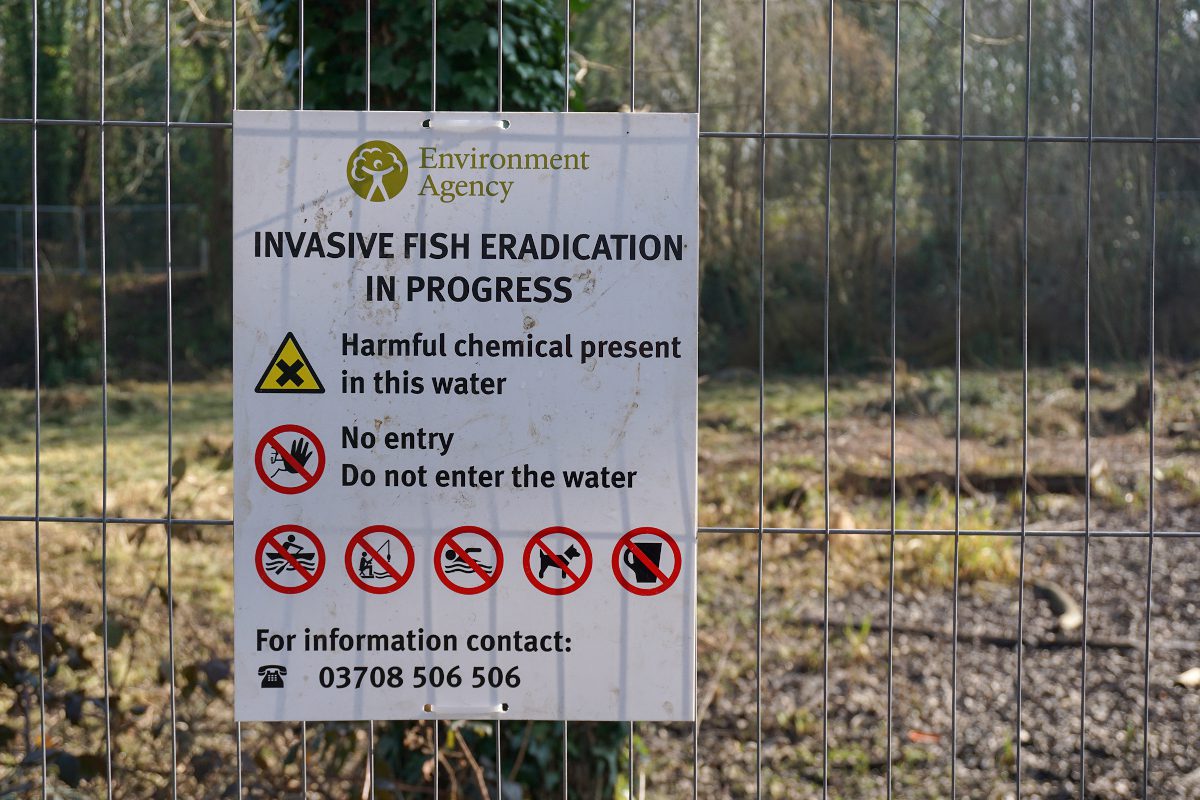
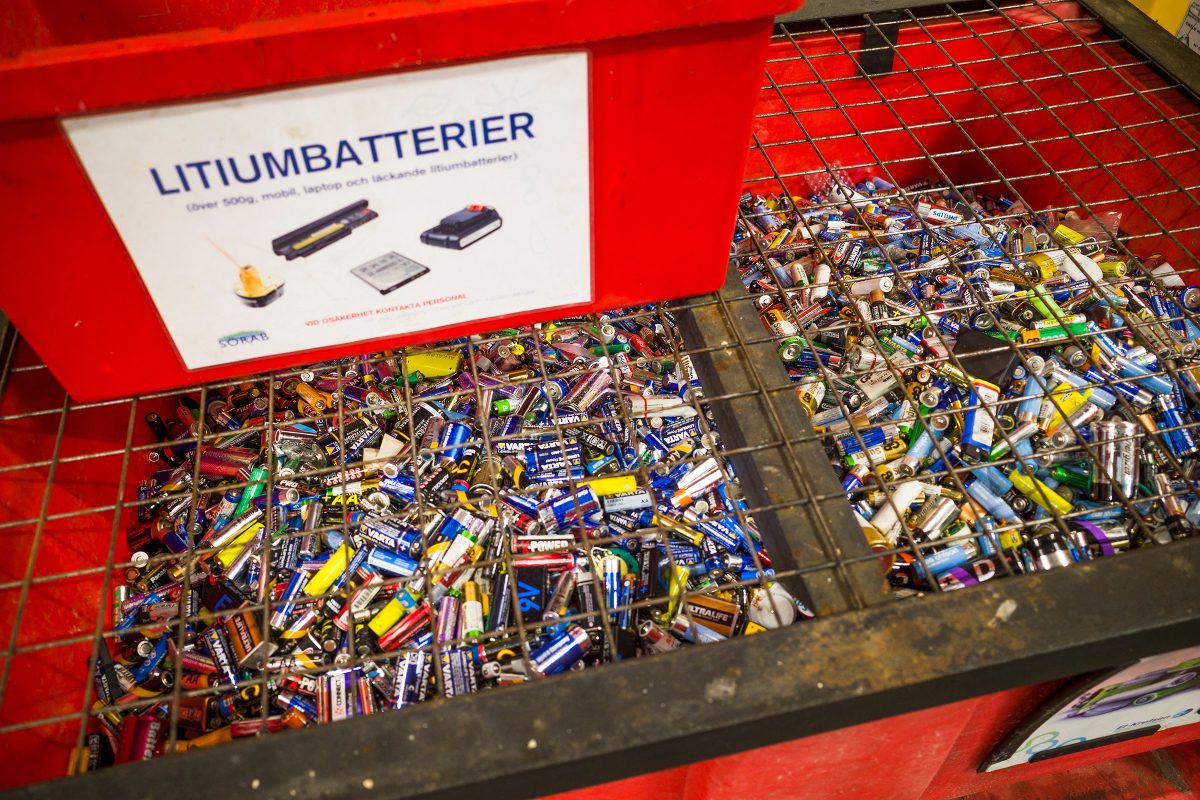
The UK government has announced a delay to the planned expansion of its Emissions Trading Scheme (ETS) to include municipal waste incineration and Energy-from-Waste (EfW) facilities. This postponement gives the waste management and packaging sectors additional time to prepare for carbon pricing.
This decision has significant implications for the UK’s circular economy. Incorporating EfW into the ETS is designed to penalise the burning of fossil-based materials, primarily plastics, by charging operators for their carbon emissions. This policy is expected to drive up incineration gate fees, thereby creating a powerful economic incentive to divert recyclable plastics away from mass burn and into high-quality recycling streams. The delay temporarily stalls this financial driver.
For UK waste companies and packaging converters, the postponement offers short-term relief from anticipated cost hikes in residual waste disposal. However, it also risks slowing down the urgent investment needed in domestic sorting infrastructure. For Turkish recyclers who rely on consistent, high-quality polymer feedstocks imported from the UK, the delay means that the volume of well-sorted, recyclable plastics entering the market may not rise as rapidly as anticipated, as mixed plastics will continue to flow to UK incinerators without carbon penalties for now.
The practical takeaway for the industry is clear: this delay is a postponement, not a policy reversal. UK waste managers and packaging producers should use this extended window to refine their sorting capabilities and transition towards highly recyclable packaging designs. Preparing for the inevitable pricing of fossil carbon in waste streams now will prevent severe financial exposure when the ETS expansion is eventually enacted.