A deepening collaboration in the United States between waste management firm Rumpke and advanced plastics recycler PureCycle highlights the growing necessity of integrated supply chains to meet post-consumer recycled (PCR) content mandates.
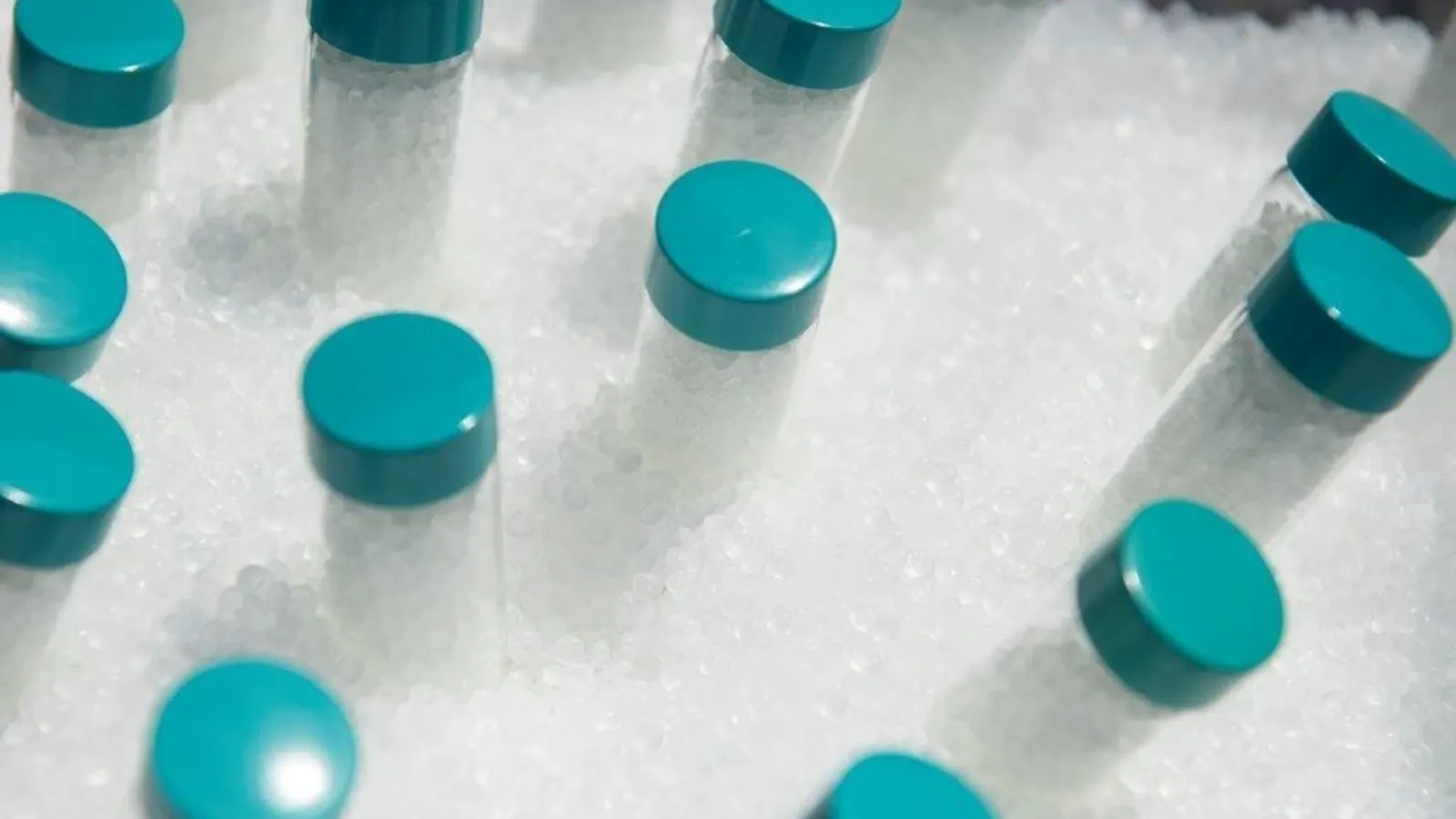
Under the partnership, Rumpke delivers sorted polypropylene (PP) waste to PureCycle’s purification facility, which uses a solvent-based technology to strip colour, odour and contaminants from the plastic. This process yields a near-virgin ultra-pure recycled resin. The resulting material is being utilised by packaging converters, such as IPL Schoeller, to satisfy increasingly stringent state-level PCR mandates for consumer packaging.
This development carries significant implications for UK waste companies and Turkish recyclers. As the UK Plastics Packaging Tax and the EU’s Packaging and Packaging Waste Regulation (PPWR) drive up demand for high-quality recycled polymers, the European market faces a chronic shortage of food-grade rPP. Turkish recyclers, who are major exporters of plastic packaging and resins to the European and British markets, must closely watch these joint-venture models. Securing consistent, high-purity feedstock is the primary bottleneck in scaling advanced recycling. To compete, Turkish processors and UK waste managers will need to move beyond traditional merchant-market trading and establish formal, long-term feedstock supply agreements.
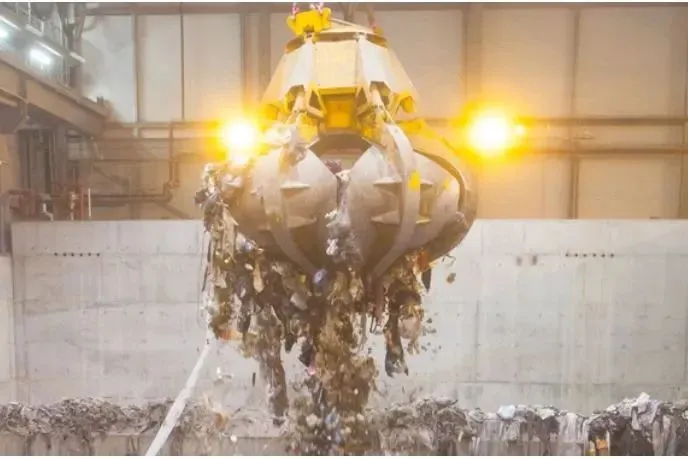
For UK waste firms, the lesson lies in sorting efficiency. Rumpke’s ability to extract PP from mixed municipal streams suggests that UK material recovery facilities (MRFs) must continue investing in optical sorting technology to isolate PP before it becomes contaminated.
Practical Takeaway: To guarantee the volume and quality of rPP required by upcoming UK and EU regulations, packaging converters and recyclers must transition from spot-market purchasing to integrated, long-term feedstock partnerships with waste management providers.