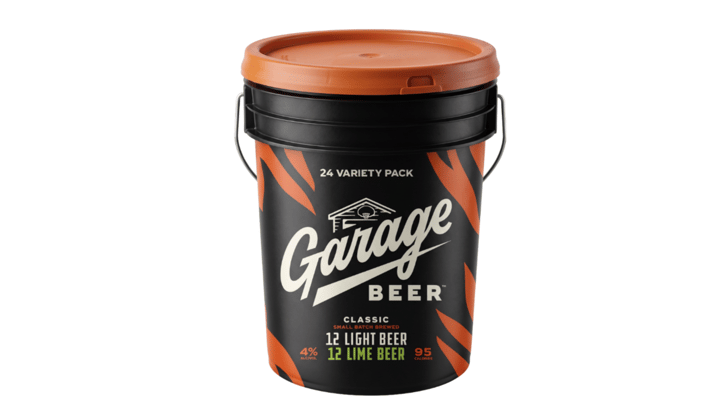
A novel packaging trend is emerging in the beverage sector, where some brands are opting for large-format rigid plastic pails—typically five-gallon (approx. 19-litre) buckets—instead of traditional paperboard cartons for multi-packs. While primarily driven by marketing efforts to stand out on shelves, this shift from fibre-based packaging to heavy-duty polymers has direct implications for the plastic recycling supply chain.
These pails are typically manufactured from high-density polyethylene (HDPE) or polypropylene (PP). Unlike thin-walled barrier packaging or multi-material laminates, heavy-duty pails represent a highly recyclable, mono-material stream. They are easily identifiable in sorting facilities and yield clean, high-value regrind when processed correctly.
For UK waste management firms and Turkish recyclers, this trend highlights the evolving nature of the rigid plastic feedstock. Large-format rigid plastics are highly prized by Turkish importers who process UK-sourced scrap. These containers provide a reliable source of post-consumer HDPE or PP, which can be pelletised for high-demand applications like construction materials, automotive parts, or new industrial packaging. However, UK exporters must ensure these bulky items are properly baled to optimise logistics costs, as uncrushed pails significantly reduce transport efficiency.
From a circular economy perspective, the shift also raises questions about material hierarchy. While paperboard is often perceived as more environmentally friendly, a durable plastic pail can be easily reused by consumers before entering the recycling stream.
The practical takeaway for packaging converters and recyclers is to prepare for a wider variety of rigid formats in the waste stream. Converters should design these pails with easily removable labels and compatible handles to ensure they do not contaminate the recycling process, maintaining their value as premium feedstock for international trade.