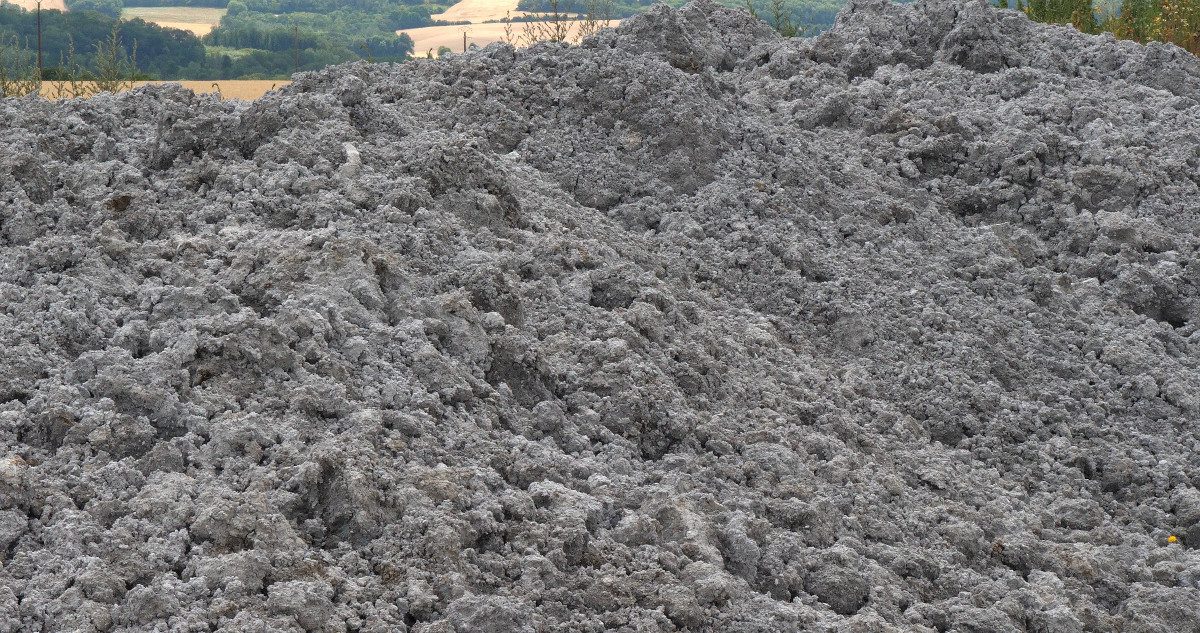
A new report from UK MPs warns that wastewater treatment processes are inadvertently transferring microplastics from water systems onto agricultural land. While modern treatment facilities successfully filter out up to 99% of microplastics from effluent, the captured synthetic particles are concentrated in sewage sludge. Because this sludge is commonly treated and applied to farmland as fertiliser, microplastics are accumulating in agricultural soils, raising concerns over soil health and food chain contamination.
The parliamentary inquiry calls for tighter regulations on the distribution of sewage sludge and more robust monitoring of plastic contaminants in agricultural soils. The findings highlight a systemic failure in current waste management practices, where solving a water pollution issue has merely shifted the ecological burden to terrestrial environments.
For UK waste management companies and recyclers, this development signals a looming regulatory shift. As pressure mounts on the government to address microplastic pathways, operators handling organic waste and wastewater by-products can expect stricter compliance standards and potential restrictions on land-spreading.
Furthermore, Turkish and UK plastics recyclers must recognise that this scrutiny will inevitably feed back into upstream product design and processing standards. Regulators are increasingly looking to tackle microplastics at source, meaning recyclers may face tighter controls on pellet loss during transport and processing, as well as stricter standards regarding the shedding potential of recycled polymers in textile and packaging applications.
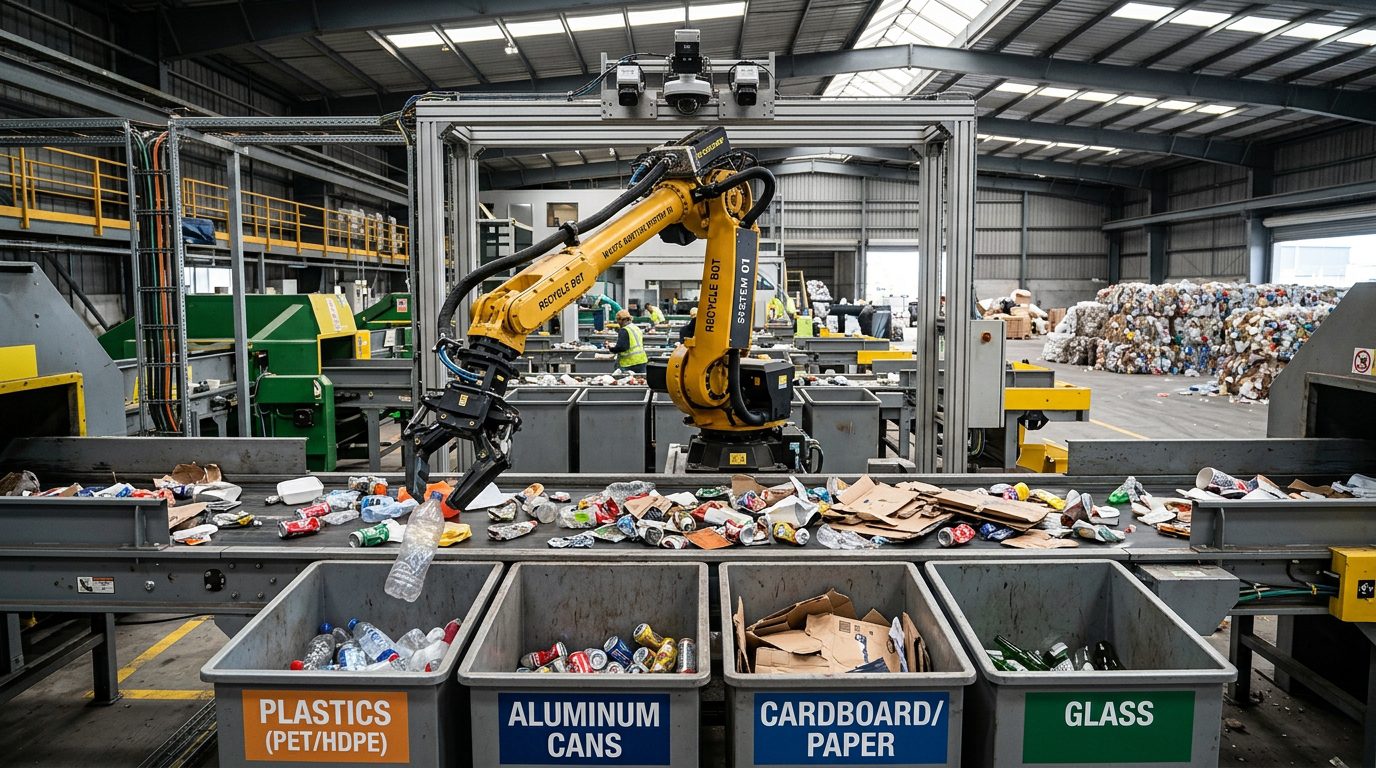
The practical takeaway for the industry is clear: waste operators and polymer processors should proactively audit their containment systems to prevent microplastic and pellet loss. Preparing for stricter environmental monitoring now will mitigate the compliance costs of future soil and waste regulations.