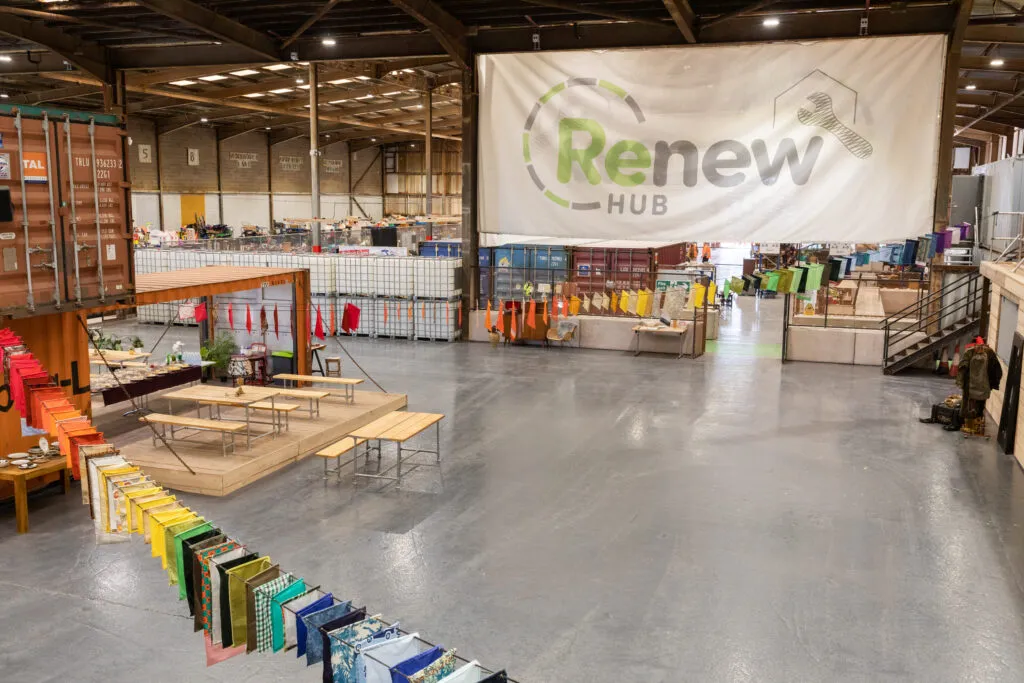
Greater Manchester’s Renew Hub, operating out of a dedicated processing facility in Trafford, has achieved £3 million in cumulative sales since launching in 2021. Managed through a partnership between SUEZ Recycling and Recovery UK and the Greater Manchester Combined Authority (GMCA), the project has diverted over 600,000 pre-owned items away from final disposal facilities. Sales generated from repaired and refurbished goods have allowed £1.9 million to be reinvested into local community initiatives.
The milestone highlights the commercial and operational viability of upstream waste diversion models within municipal waste contracts. Intercepting reusable bulky goods, electrical equipment, furniture, and hard plastics at household waste recycling centres (HWRCs) before they enter energy-from-waste or incineration streams allows public-private partnerships to extract residual value from materials. This strategy reduces primary waste volumes, avoids carbon emissions tied to new manufacturing, and fosters local skilled employment in repair trades.
For UK waste management firms and circular economy operators, the success of municipal reuse models signals a structural transition toward pre-recycling diversion. As scope 3 emissions disclosure requirements and digital waste tracking regimes become stricter across the UK and Europe, waste operators are under increasing pressure to evidence performance higher up the waste hierarchy. Integrating systematic diversion at the point of collection helps operators lower downstream sorting burdens, optimize haulage volumes, and generate verifiable carbon abatement data for ESG and regulatory reporting.
Practical Takeaway: Waste management operators should audit existing HWRC networks and municipal collection facilities to introduce dedicated reuse segregation areas. Intercepting high-grade items before contamination or compaction preserves material quality, mitigates gate fees, and creates supplementary revenue channels prior to mechanical recycling.