UK-based waste intelligence developer Greyparrot has secured $27 million (£21.3 million) in Series B funding to scale its artificial intelligence platform globally. The capital injection reflects growing commercial demand for automated material characterisation across materials recovery facilities (MRFs) and plastic reprocessors.
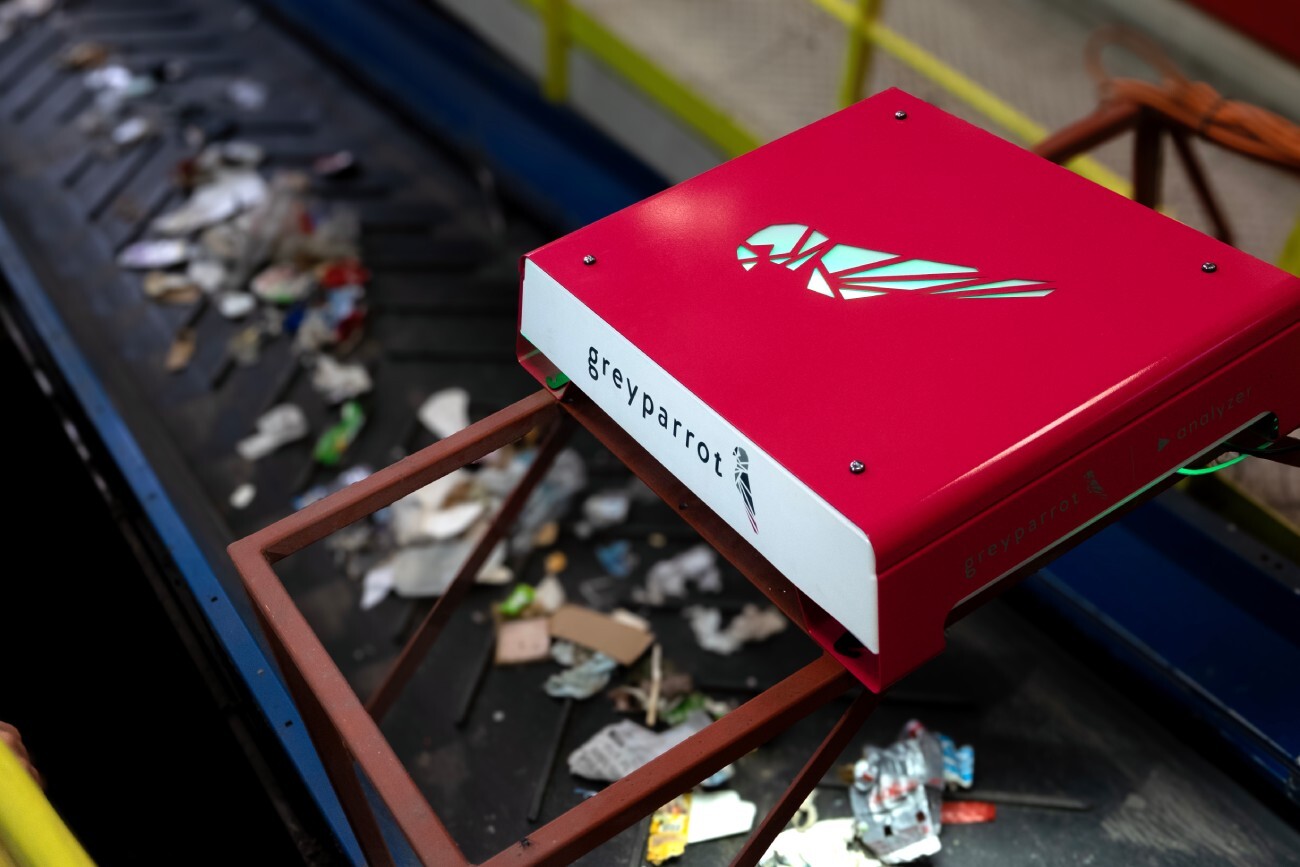
Greyparrot integrates computer vision cameras above conveyor belts in waste management plants to analyse composition, mass, and financial value in real time. Rather than relying on periodic manual spot-checks, plant managers receive continuous analytics on sorting performance, contamination levels, and target polymer loss.
The investment comes as brand owners and regulators demand greater transparency across secondary material supply chains. As national recycled content mandates take effect and brand commitments mature, verifying the exact composition and origin of secondary polymers has become a central priority for waste processors and resin producers alike.
For UK waste exporters and Turkish plastic recyclers, continuous material tracking provides crucial operational safeguards. UK waste management companies shipping recovered plastic bales to Türkiye operate under strict export rules requiring low contamination thresholds. Real-time optical monitoring enables UK MRFs to guarantee bale purity prior to dispatch, mitigating the risk of rejected shipments at Turkish ports. For Turkish reprocessors, integrating automated waste intelligence at the intake stage allows accurate quality auditing of incoming bales, helping facilities adjust sorting parameters efficiently and provide verified traceability data for EU and UK off-takers seeking premium rPET, rHDPE, or rPP flakes.
Practical Takeaway for Operators
MRF managers and reprocessors should evaluate automated vision technology to replace manual sample auditing. Implementing real-time compositional monitoring allows facilities to optimise optical sorter settings, reduce contamination penalties, and provide audited purity certificates to high-value end-markets.