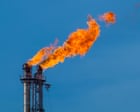
Global policy focus is rapidly shifting towards methane reduction, a move described by climate scientists as an "emergency brake" for global warming. Methane is a highly potent greenhouse gas, trapping more than 80 times as much heat as carbon dioxide over a 20-year period. While recent international efforts have focused on plugging mega-leaks in the fossil fuel sector—notably in countries like Turkmenistan—the broader regulatory crackdown is set to impact the waste and recycling industries.
Beyond oil and gas extraction, municipal solid waste landfills represent one of the largest human-driven sources of methane emissions globally. As governments scramble to meet near-term climate targets, the pressure to divert organic and recyclable materials away from landfills is intensifying.
For UK waste management companies and Turkish recyclers, this global focus on methane translates into direct regulatory and commercial pressure. In the UK, landfill tax increases and impending bans on biodegradable waste in landfills are designed specifically to curb methane generation. For Turkish plastics recyclers, demonstrating the carbon-saving credentials of recycled polymers over virgin equivalents is becoming critical. Because recycling diverts waste from landfills and reduces energy-intensive virgin production, recyclers can position their materials as key tools for brand owners looking to slash Scope 3 supply chain emissions. Furthermore, corporate carbon accounting is becoming more rigorous, meaning companies must prepare for a future where methane avoidance is quantified and monetised.
A practical takeaway for operators is to actively integrate methane-avoidance data into their carbon reporting. By quantifying how much landfill methane is prevented by recycling specific polymer volumes, UK exporters and Turkish processors can provide verifiable environmental data that justifies premium pricing for high-quality recycled resins.