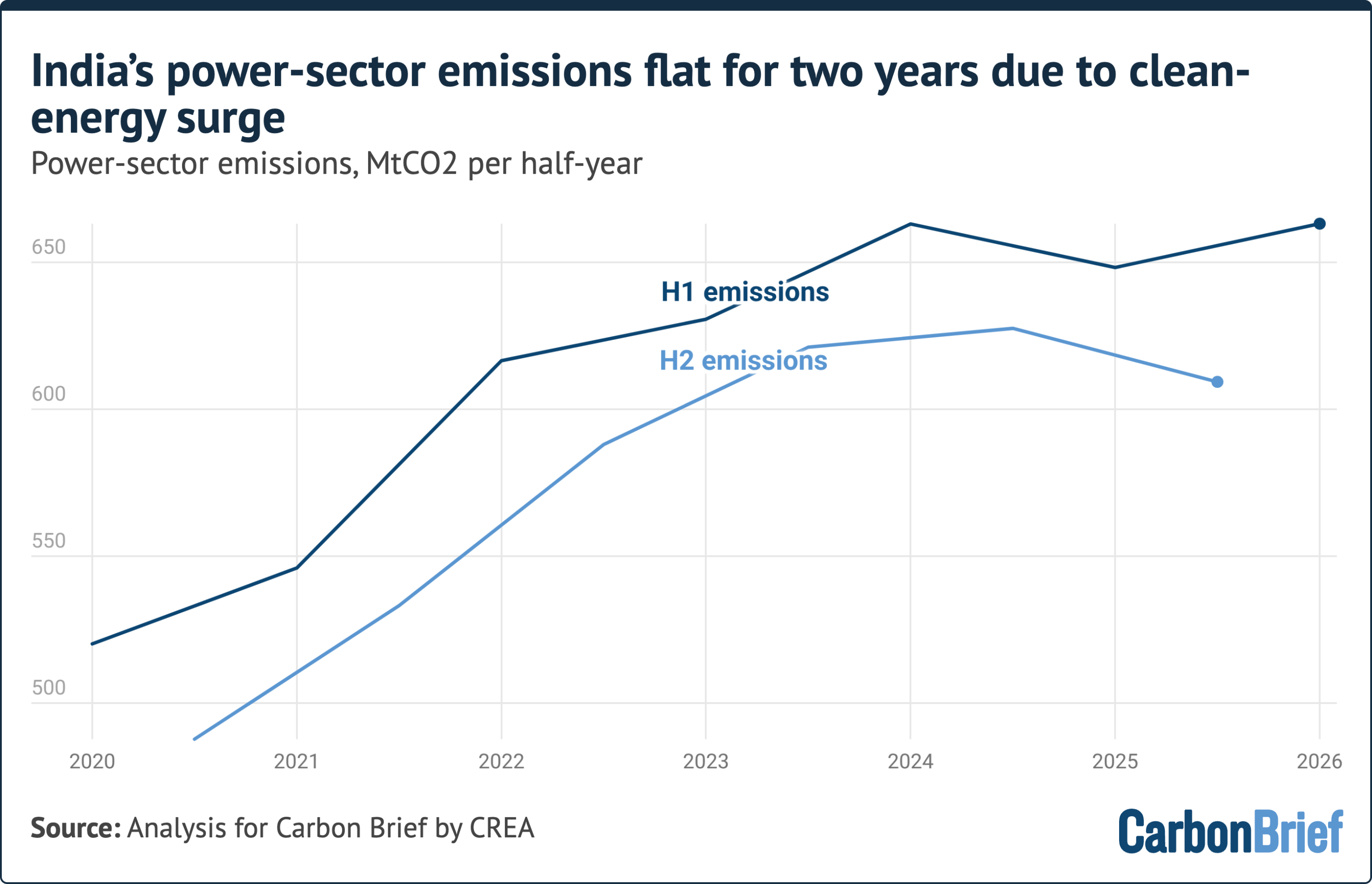
India's power-sector carbon dioxide emissions have remained flat for two consecutive years, despite a robust increase in overall electricity demand. According to recent analysis, this plateau is primarily driven by a significant surge in domestic solar and wind capacity, which has successfully absorbed the incremental demand growth and limited the expansion of coal-fired generation.
This shift in one of the world's fastest-growing economies underscores a broader global transition towards grid decarbonisation. For manufacturing and recycling sectors worldwide, the carbon intensity of local electricity grids is increasingly dictating the commercial viability of industrial products. As international brands demand lower carbon footprints across their supply chains, grid-level emissions are no longer just a national policy issue, but a core metric of industrial competitiveness.
For UK waste companies and Turkish recyclers, this global trend has direct implications for carbon accounting and market access. Turkish recycling facilities are highly energy-intensive, relying on electricity to power the washing, shredding, and extrusion processes required to turn post-consumer waste into high-quality rPET, rHDPE, and rPP. Under evolving UK and EU sustainability reporting frameworks, packaging converters must account for the Scope 3 emissions of their imported raw materials. If Turkey's grid decarbonisation lags behind global benchmarks, Turkish recycled resins risk carrying a higher embedded carbon footprint, potentially eroding their competitive edge in the UK market.
To mitigate this risk, Turkish recyclers should look to decouple their operations from grid-level carbon intensity. A practical takeaway is to invest in on-site renewable energy generation, such as rooftop solar installations, and secure power purchase agreements (PPAs) for green energy. Documenting these low-carbon energy inputs will be essential for maintaining the premium status of recycled polymers exported to the UK.