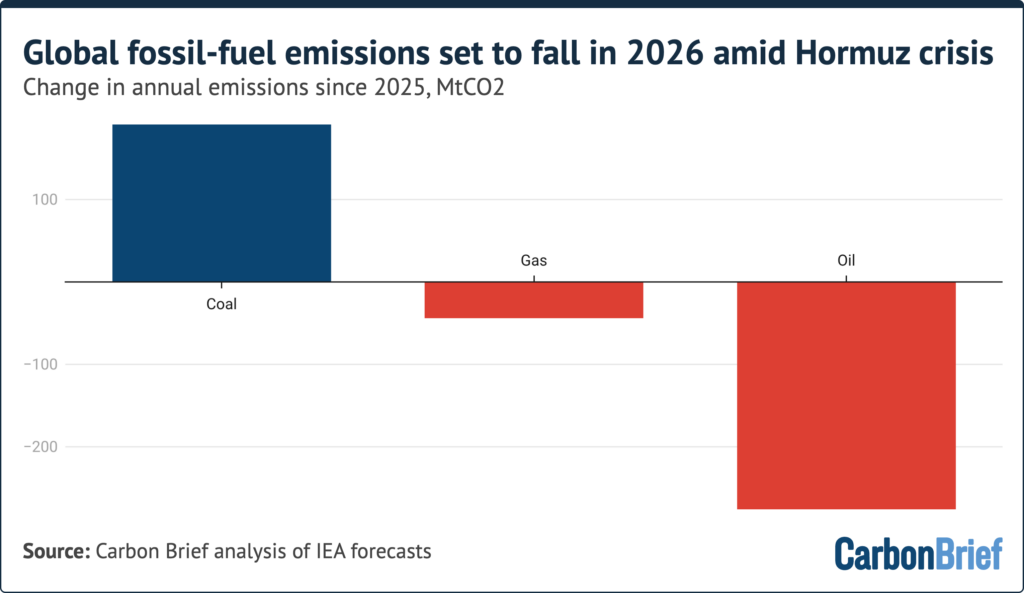
According to an analysis by Carbon Brief, global fossil-fuel emissions are projected to decrease by approximately 0.5% in 2026. This anticipated decline is not primarily the result of accelerated green policies, but rather the economic fallout and supply chain disruptions stemming from the ongoing crisis in the Strait of Hormuz. The geopolitical bottleneck is expected to constrain global energy supplies, driving up fossil fuel prices and subsequently dampening demand and industrial output.
While a reduction in greenhouse gas emissions is superficially positive for global climate targets, the underlying driver—a severe energy supply shock—presents a complex landscape for industrial sectors. High oil and gas prices typically trigger inflation and reduce consumer spending, which can lower short-term manufacturing volumes. However, they also alter the cost competitiveness of fossil-based materials relative to sustainable alternatives.
For UK waste management firms and Turkish plastics recyclers, this macroeconomic shift carries significant operational implications. Historically, high crude oil prices drive up the cost of virgin petrochemicals, including virgin polymers like PET, PE, and PP. This price spike usually narrows the price gap between virgin and recycled resins, making recycled polymers highly competitive. Conversely, Turkish recyclers must brace for elevated energy costs in their own processing facilities, as Turkey remains highly dependent on imported energy. UK exporters of plastic scrap may also face volatile freight rates and shifting demand as European converters seek local, low-carbon circular feedstocks to hedge against volatile primary markets.
The practical takeaway for the sector is the urgent need to decouple recycling operations from fossil-fuel-reliant energy grids. To safeguard margins against geopolitical energy shocks, recyclers and packaging converters should invest in on-site renewable energy generation and energy-efficiency measures, ensuring that the low-carbon benefit of recycled plastic is not undermined by high processing costs.