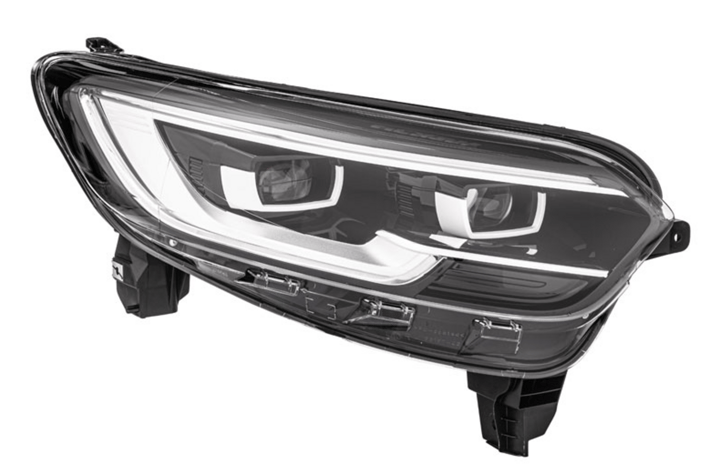
A German industry consortium comprising automotive lighting specialist Forvia Hella, vehicle manufacturer BMW, materials producer Covestro, and academic research institutions has initiated a joint project to develop recyclable automotive headlamp systems. The initiative focuses on redesigning headlamp assemblies using circular design principles, aiming to simplify dismantling and enable high-grade closed-loop plastics recovery at the end of a vehicle's life.
Automotive lighting units present a notorious challenge for waste processors. Current assemblies bond dissimilar engineering polymers—such as polycarbonate, polymethyl methacrylate, and polybutylene terephthalate—with strong adhesives and metallised coatings. This complex construction prevents clean separation, forcing most post-consumer units into downcycling or thermal recovery. The research programme seeks to replace mixed-material architectures with mono-material solutions or easily detachable mechanical interfaces, facilitating distinct material recovery.
This development aligns with broader European Union efforts to revise the End-of-Life Vehicles (ELV) Directive, which proposes mandatory post-consumer recycled plastic targets in new cars. For UK waste operators and Turkish technical recyclers, the shift towards design-for-recycling in high-value components indicates a longer-term transition in scrap stream quality. As automotive original equipment manufacturers (OEMs) prepare for stricter recycled content quotas, demand will grow for specialised compounders able to process engineering resins to strict mechanical and optical specifications.
For recyclers in Türkiye catering to European supply chains, investments in optical sorting and de-coating technologies for technical polymers could yield significant commercial advantage. Furthermore, modular components will allow dismantlers in the UK to extract high-yield single-polymer fractions, reducing processing overheads and enhancing carbon accounting metrics for Scope 3 emissions reporting.
Practical Takeaway: Technical compounders and recyclers should review their capabilities in handling engineering thermoplastics like polycarbonate, positioning their operations to supply certified, closed-loop recyclates as European OEMs move from packaging mandates toward automotive circularity requirements.