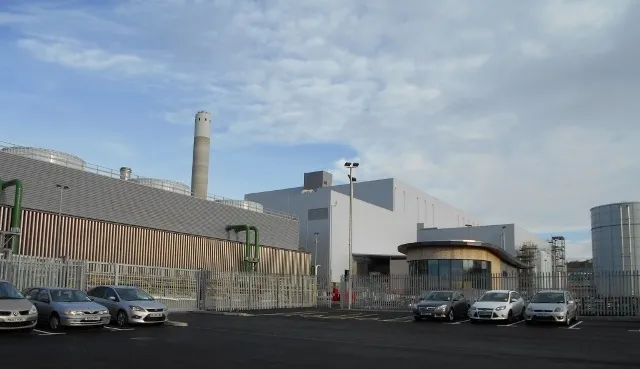
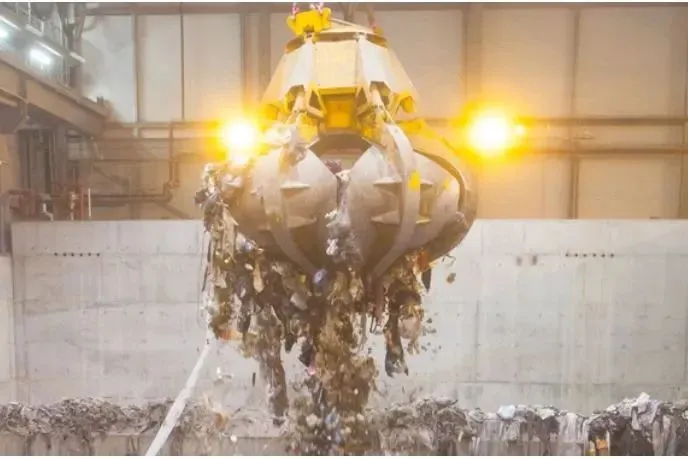
Environmental network Global Alliance for Incinerator Alternatives (GAIA) has named major UK energy-from-waste (EfW) facilities in its latest 'Burn Book' publication. The report focuses on high-profile EfW sites, including Viridor’s large-scale operations at Runcorn and Beddington, bringing renewed international campaign attention to the localized impacts and emissions profile of thermal waste treatment in Britain.
The inclusion of prominent British infrastructure in global anti-incineration campaign literature underscores the expanding public and regulatory scrutiny facing residual waste management. While EfW facilities have traditionally been positioned as a landfill diversion strategy, campaign groups increasingly argue that burning commercial and municipal waste undermines carbon reduction targets and consumes valuable secondary materials—particularly synthetic polymers—that should remain within circular recycling loops. As the UK moves closer to incorporating EfW facilities into the national Emissions Trading Scheme (UK ETS), opposition to residual waste combustion is gaining operational and political traction.
For UK waste management firms, packaging converters, and international recycling partners, heightened scrutiny on EfW facilities signals imminent structural adjustments in waste sorting and carbon accounting. Increased pressure on EfW operators will likely accelerate pre-treatment requirements and push gate fees upward, compelling waste collection companies to implement stricter front-end extraction of recyclable polymers before residual incineration. For reprocessors, including Turkish recyclers importing UK waste streams, any policy or regulatory push that restricts plastic combustion domesticates a higher volume of post-consumer scrap, fundamentally altering material purity and regional supply dynamics.
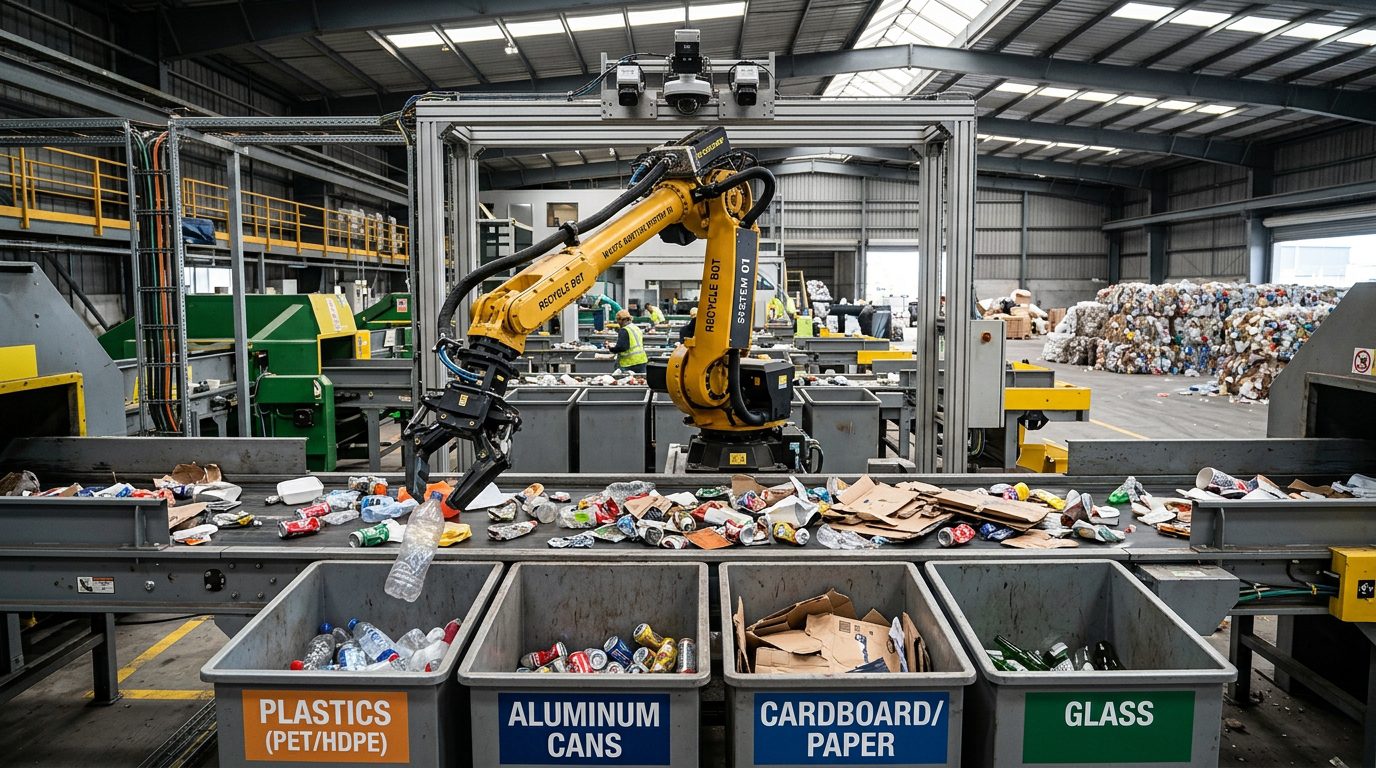
The key practical takeaway for waste handlers and recyclers is the urgency of auditing residual waste streams for recyclable plastic content. As regulatory bodies respond to campaign pressures and carbon reporting mandates, businesses using thermal recovery options must prepare for stricter pre-sorting regulations and higher compliance costs for non-recyclable fractions.