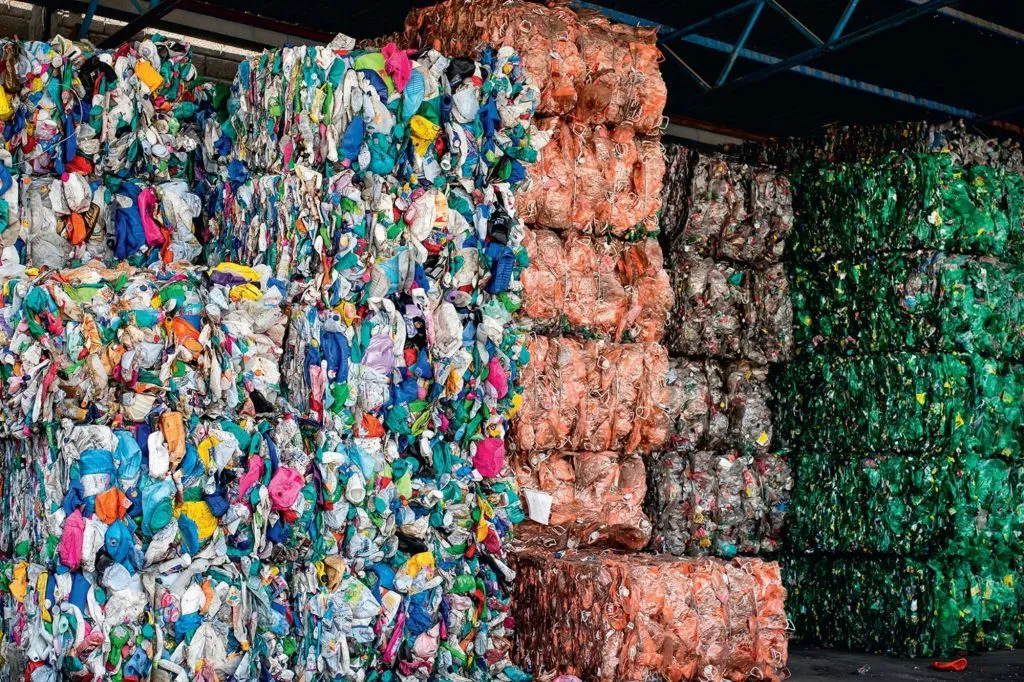
The European Union has formally introduced updated restrictions on transboundary plastic waste shipments under its revised Waste Shipment Regulation framework. Under these incoming provisions, exports of plastic waste to non-OECD countries are prohibited until at least May 2029. The measure forms part of broader EU legislative efforts to limit marine litter, ensure waste exported outside the bloc is treated under environmentally sound conditions, and foster regional circular economy capacity.
While non-OECD destinations face a complete embargo, trade with OECD member states remains permitted. However, exports to OECD destinations will operate under significantly heightened administrative oversight, tighter audit requirements, and digital tracking. The exclusion of non-OECD receiving nations effectively removes several key Asian destinations from the European export pool, diverting substantial volumes of post-consumer and industrial plastic back into European and OECD recycling channels.
For UK–Türkiye trade dynamics, this policy shift carries major strategic implications. Türkiye, as an OECD member state, is positioned to remain a key destination for European plastic scrap, but Turkish reprocessors will face stricter traceability and facility audit demands from European counterparties. As EU exporters re-route material away from non-OECD routes, competition for verified, high-standard recycling capacity in Türkiye will increase. Simultaneously, UK waste management firms must monitor these developments closely, as UK regulators consider aligning national waste export policy with EU standards, potentially tightening export conditions for UK-origin scrap.
Practical takeaway: Waste exporters and reprocessors should immediately audit their supply chain documentation and compliance systems. UK and EU exporters must verify destination facility standards, while Turkish recyclers should secure updated environmental permits and third-party facility certifications to maintain uninterrupted access to European feedstock.