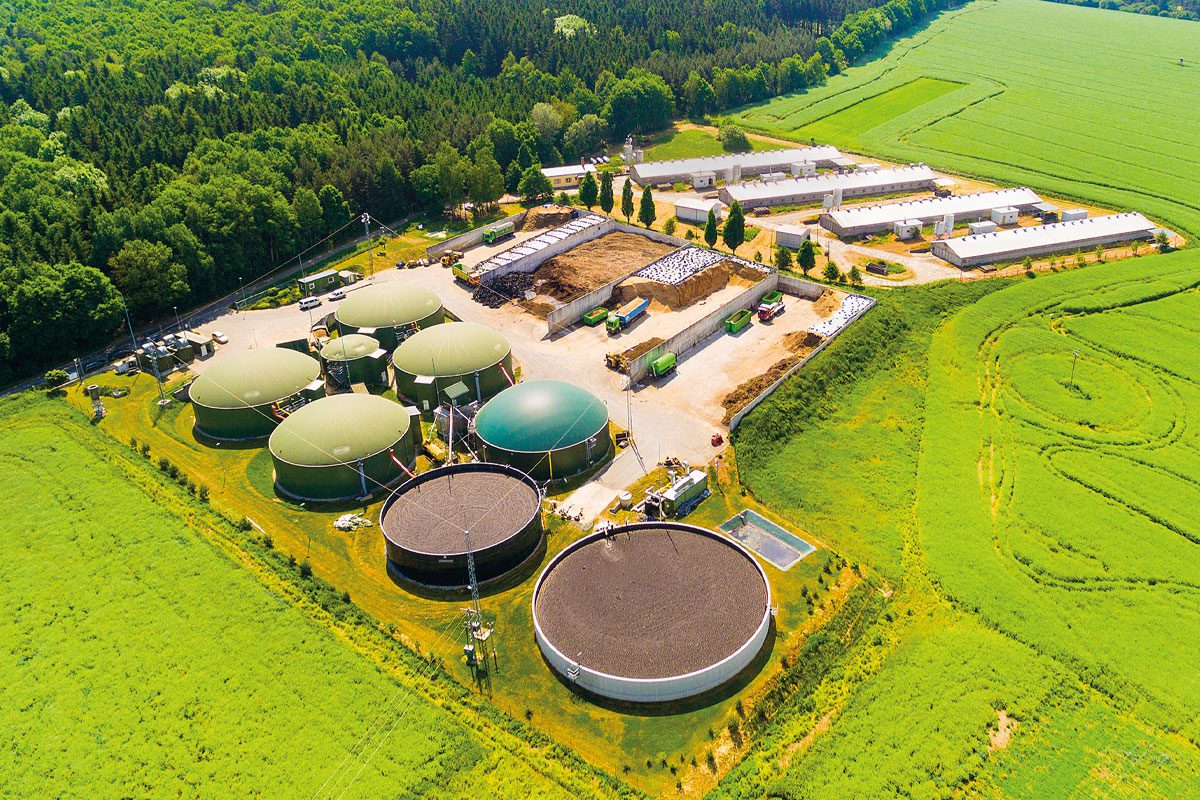
The European Union’s Innovation Fund has awarded €14.6 million to carbon capture technology developer Nuada to support a commercial-scale installation in France. The initiative, known as the SCALA project, will deploy Nuada’s proprietary AdSpire technology at a biomass cogeneration facility operated by energy services provider Idex.
Nuada’s system relies on an electrically driven, solvent-free process utilizing metal-organic frameworks to separate carbon dioxide from flue gases. Unlike traditional amine-based capture systems, which require substantial thermal energy to regenerate liquid solvents, the solid-sorbent approach significantly reduces energy overheads and operational costs. The French installation represents a key step in moving this low-energy capture technology from pilot testing to full commercial deployment.
Why this matters:
As European policies impose stricter demands on industrial carbon accounting, the commercial viability of carbon capture hinges on reducing the parasitic energy load required to run capture plants. Demonstrating energy-efficient capture at industrial sites provides a practical roadmap for energy-intensive manufacturing sectors looking to abate point-source emissions.
What it means for our readers:
For UK packaging converters and Turkish plastics recyclers exporting into European supply chains, industrial decarbonisation is moving from voluntary reporting to regulatory necessity. Under the EU Carbon Border Adjustment Mechanism (CBAM) and corporate sustainability disclosure rules, European buyers are scrutinising embedded carbon throughout their supply chains. While direct carbon capture is primarily targeted at heavy industry and energy plants, the rapid scaling of low-carbon industrial infrastructure across the EU raises the benchmark for all supply chain partners. Reprocessors and converters in the UK and Türkiye must continuously benchmark their Scope 1 and Scope 2 emissions profiles to remain competitive vendor choices for EU brand owners.
Practical takeaway:
Plastic reprocessors and packaging manufacturers should establish clear carbon-accounting baselines for their production sites. Monitoring operational energy efficiency and documenting grid-decarbonisation efforts will be essential for answering customer audit requests and maintaining compliance across European trade routes.