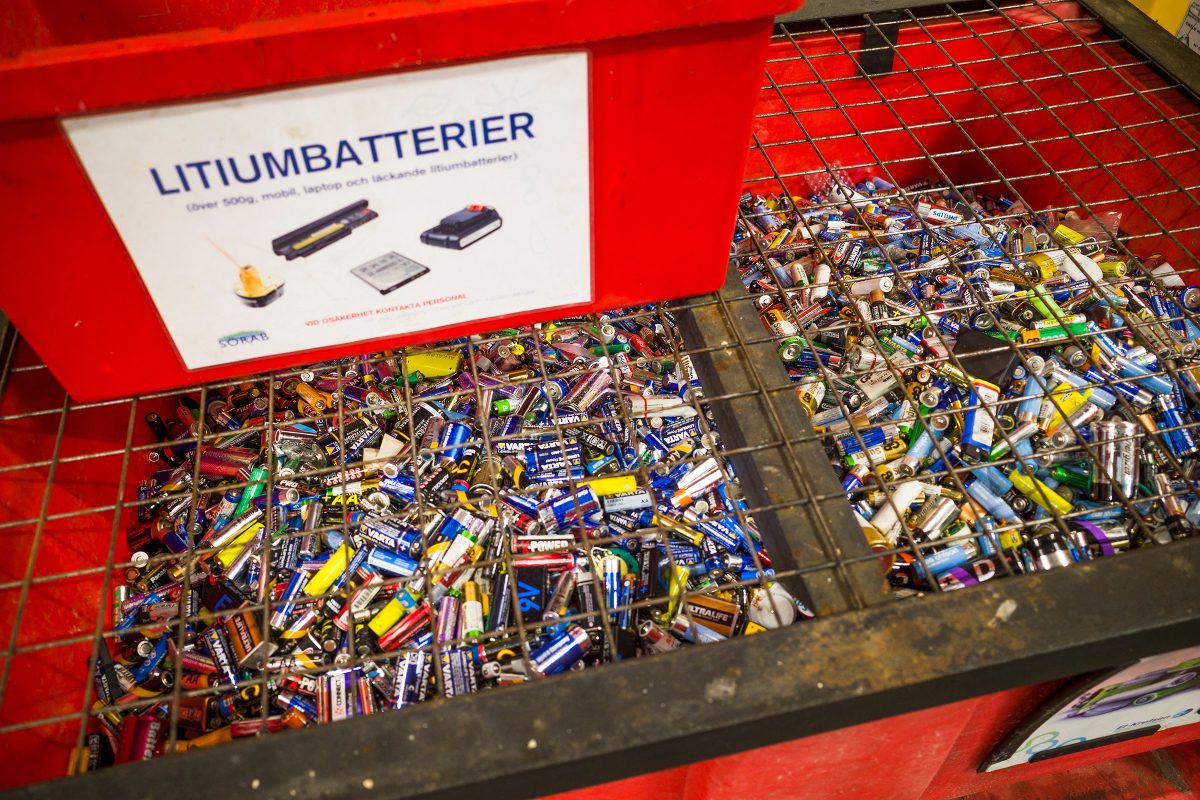
The European Union is confronting a significant shortfall in its portable battery collection targets as new regulatory frameworks take effect. According to recent data, the EU collected 48.8% of waste portable batteries in 2023. This falls well short of the 63% target mandated by the end of 2027 under the updated EU Batteries Regulation, which ultimately aims for a 73% collection rate by 2030.
Reaching these targets is complicated by structural changes in consumer technology and regulatory methodology. The rapid rise of longer-lived lithium-ion batteries means that traditional collection rate formulas—which compare collected waste against the average volume of new batteries placed on the market over the preceding three years—no longer accurately reflect available waste streams. In response, European authorities are updating calculation methodologies to better account for product lifespans and true end-of-life availability.
Why it matters
This shift underscores a broader movement within European waste policy away from simplistic volume-based assumptions toward complex, lifecycle-oriented metrics. As the EU tightens compliance across all waste streams, regulatory tracking mechanisms are becoming increasingly rigorous. For the recycling sector, changing baseline definitions can dramatically alter official compliance figures overnight, creating operational and administrative hurdles for waste management schemes across Europe.
Impact on compliance and reporting
For recyclers and waste processing businesses, these developments demonstrate how quickly compliance metrics, operational costs, and reporting obligations can shift under European circular economy mandates. As the EU refines its statistical models to track material loops accurately, recyclers facing EU regulations must anticipate similar data rigor in other waste categories. Maintaining compliant carbon and waste reporting will require companies to invest in precise mass-balance tracking and transparent supply chain documentation, as regulatory scrutiny shifts from high-level estimates to verified end-of-life realities.
Practical takeaway
Waste management operators and compliance leads should regularly review how national authorities translate EU waste collection methodologies into local reporting protocols. Preparing data systems for lifecycle-based reporting now will mitigate compliance risks as European waste standards tighten further.