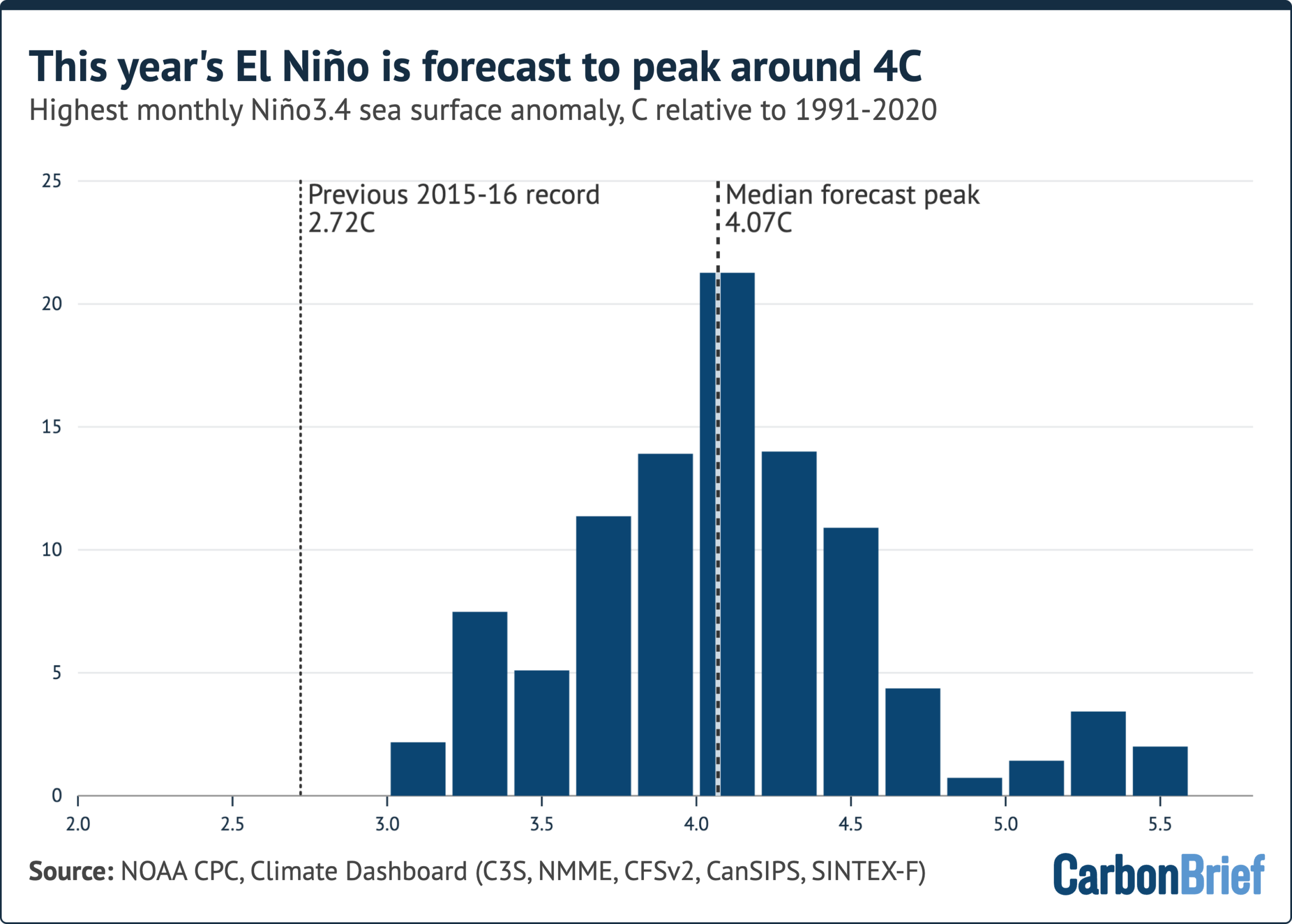
Global meteorology institutes report that a severe El Niño phenomenon is accelerating rapidly, with climate projections indicating a peak in late 2026. The intensifying event is expected to elevate global average surface temperatures to record levels, triggering extreme weather conditions across major industrial corridors.
For international industrial sectors, severe El Niño cycles bring systemic operational disruptions. Heightened climate volatility directly impacts key maritime trade routes—exemplified by historic transit restrictions at the Panama Canal during prolonged droughts—and increases pressure on global energy grids. Industrial facilities face elevated operational costs due to temperature-driven fluctuations in electricity demand, potential water usage restrictions, and acute weather events that interrupt manufacturing throughput.
For UK waste management operators and Turkish polymer reprocessors, these global atmospheric trends carry concrete implications for compliance, energy overheads, and supply chain reporting. Under expanding corporate sustainability reporting mandates, including TCFD-aligned frameworks and European due diligence directives, recyclers must formally assess physical climate risks within their operations and supply chains. Rising global temperatures increase operational stress on mechanical recycling plant machinery, demand higher cooling energy inputs during peak months, and elevate utility bills. Simultaneously, international packaging buyers are requiring reprocessors to prove facility climate resilience and report Scope 1 and 2 emissions performance under extreme operational conditions.
As climate volatility affects material logistics and facility running costs, reprocessors and waste managers should review their energy procurement hedging strategies and update physical risk assessments. Demonstrating robust contingency plans for utility interruptions and weather-related freight delays will ensure compliance with buyer ESG audits and protect operating margins against climate-induced cost spikes.