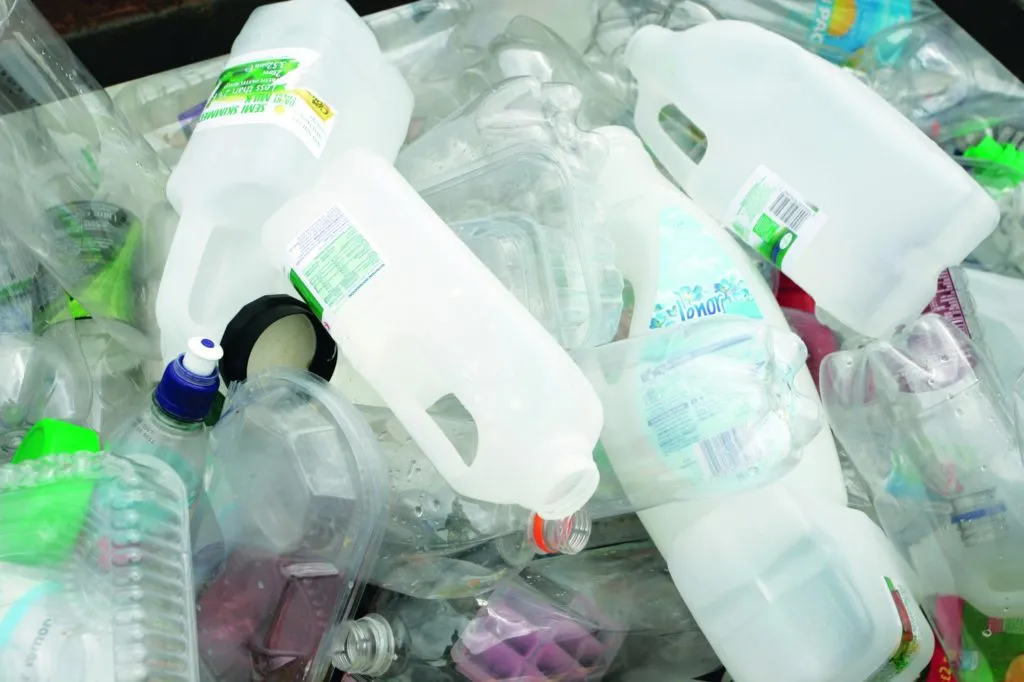
Designing for Recyclability: Integrating Sustainability in Early Packaging Development
4 November 2026 · Recycling Today
Integrating recyclability into packaging development before manufacturing decisions are locked in is becoming a critical operational focus for converters and brand owners. Historically, environmental assessments and recyclability audits occurred late in the product design lifecycle, often resulting in minor adjustments or expensive redesigns when materials failed to align with modern recycling infrastructure.
As environmental regulations tighten across Europe and the UK, incorporating life cycle assessment (LCA) data, material performance metrics, and regulatory compliance checks during the fluid phase of conceptual design is essential. Early-stage digital modelling allows converters to evaluate how choices in polymer resins, colourants, barrier layers, and closures impact end-of-life processability. Assessing these variables concurrently—rather than sequentially—ensures that structural requirements do not compromise circularity.
Implications for UK and Turkish Recyclers For Turkish reprocessors importing plastic scrap or supplying recycled polymers back to UK packaging converters, design decisions made upstream directly govern processing efficiency and material yield. Monomaterial packaging and easily separable layers reduce wash-plant contamination, lower operational energy costs, and yield higher-grade rPET, HDPE, and PP resins. Furthermore, alignment with UK Plastic Packaging Tax (PPT) thresholds and EU eco-design mandates requires verifiable recycled-content and carbon reporting. When UK converters design packaging specifically for mechanical recovery, Turkish recyclers can process post-consumer streams more efficiently, ensuring compliant, high-clarity polymer feeds back into the industrial loop.
Practical Takeaway Packaging converters and technical teams should embed material compatibility and LCA metrics directly into initial conceptual design software. Evaluating downstream reprocessability alongside barrier performance from day one prevents costly late-stage reformulations and simplifies carbon disclosure across cross-border supply chains.
Reported by Recycling Today — original article
Curated by our editorial team with AI assistance. Sources linked above.